
Gaming PC Upgrades that improve thermal efficiency can transform your system from a hot, noisy machine into a quiet, high‑performance powerhouse. When you invest in the right cooling components, you not only extend the lifespan of your hardware but also unlock higher clock speeds and smoother gameplay. In this guide, we’ll walk through the most effective upgrades—CPU coolers, GPU fans, case airflow, liquid cooling, and thermal paste—that deliver measurable temperature reductions and better overall system stability.
1. Upgrade Your CPU Cooler
Most gamers start with the stock cooler that comes with their processor, but these are often designed for basic performance rather than peak thermal efficiency. Replacing a stock cooler with a high‑quality air cooler or a low‑profile liquid cooler can shave 10–20 °C off your CPU temperatures. Look for coolers with large heatsinks, multiple heat pipes, and quiet fans. Brands such as Noctua, be quiet!, and Corsair offer models that balance airflow and noise, and they are compatible with a wide range of sockets.
2. Replace or Upgrade GPU Fans
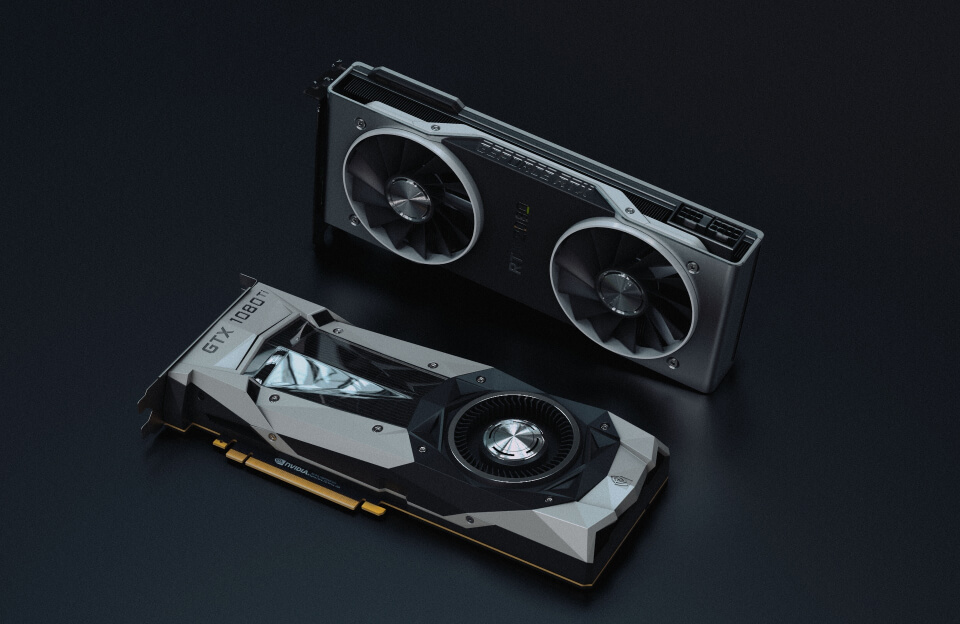
Graphics cards are the biggest heat source in a gaming rig. Many GPUs ship with factory fans that are adequate for casual use but can struggle under sustained load. Upgrading to aftermarket GPU fans or a custom fan shroud can improve airflow and reduce GPU temperatures by up to 15 °C. Some manufacturers provide fan kits that replace the stock fans with larger, slower‑speed fans that maintain airflow while cutting noise. Additionally, consider installing a second GPU fan on the rear of the card if your case allows it.
3. Optimize Case Airflow
Even the best CPU and GPU coolers will underperform if the case airflow is suboptimal. A well‑ventilated case ensures that hot air is expelled efficiently and cool air is drawn in. Start by adding or upgrading intake fans at the front or bottom of the case and exhaust fans at the rear or top. Use a fan controller or a motherboard fan header to set appropriate speeds based on temperature sensors. Keep cables tidy with cable management ties or Velcro straps to prevent obstruction of airflow.
4. Consider Liquid Cooling Solutions
For enthusiasts who demand the lowest possible temperatures, a closed‑loop liquid cooling system (AIO) can be a game‑changer. AIO units typically feature a 240‑mm or 280‑mm radiator, a pump, and a single or dual‑fan setup. They provide superior heat transfer compared to air coolers, especially for high‑end CPUs and GPUs. When selecting an AIO, ensure that the radiator size matches your case’s mounting options and that the pump’s noise level is acceptable for your environment.
5. Apply High‑Quality Thermal Paste
Thermal paste bridges the microscopic gaps between the processor or GPU die and the heatsink, improving heat conduction. Over time, paste can dry out or become uneven, leading to higher temperatures. Reapplying a high‑performance paste—such as Arctic MX‑4, Thermal Grizzly Kryonaut, or Noctua NT‑5—can reduce CPU temperatures by 2–5 °C. Use a pea‑size amount and spread it evenly with a plastic card or the included applicator. Avoid over‑application, which can cause paste to spill onto the motherboard.
Recommended Upgrade List
- CPU Cooler: Noctua NH‑D15 or Corsair H100i RGB Pro XT (240 mm AIO)
- GPU Fan Kit: MSI Gaming X 2‑Fan Kit for RTX 3080
- Case Fans: 120 mm Noctua NF‑PA4x14 PWM (high static pressure)
- Thermal Paste: Arctic MX‑4 (non‑conductive, low‑viscosity)
- Radiator: 280 mm Corsair Hydro Series H280i (dual‑fan)
Understanding the Science Behind Thermal Management
Thermal management is rooted in the principles of heat transfer—conduction, convection, and radiation. Conduction occurs when heat moves through solid materials, such as the CPU die to the heatsink. Convection relies on airflow to carry heat away from the heatsink fins. Radiation is minimal in most PC components but can be significant in high‑power GPUs. By enhancing each of these pathways—using better thermal paste for conduction, larger fans or radiators for convection, and ensuring adequate airflow for radiation—you create a comprehensive cooling strategy.
For a deeper dive into the physics of heat transfer, the National Institute of Standards and Technology offers an excellent overview: Heat Transfer at NIST. The Wikipedia entry on thermal management provides a concise summary of industry practices: Thermal Management. If you’re curious about liquid cooling systems, the Wikipedia page on liquid cooling explains the components and benefits: Liquid Cooling. For CPU cooling specifics, the Wikipedia article on CPU coolers details the various designs: CPU Cooler. Finally, the Wikipedia page on thermal paste covers the chemistry and application techniques: Thermal Paste.
Conclusion: Keep Your Gaming PC Cool and Quiet
By systematically upgrading your CPU cooler, GPU fans, case airflow, liquid cooling options, and thermal paste, you can achieve significant reductions in operating temperatures. These improvements not only enhance performance and stability but also reduce fan noise, making for a more enjoyable gaming experience. Remember to monitor temperatures with software like HWMonitor or MSI Afterburner to verify the effectiveness of each upgrade.
Ready to transform your rig? Start with a high‑quality CPU cooler and a reliable thermal paste, then layer on the rest of the upgrades for maximum thermal efficiency. Upgrade your gaming PC today for better thermal efficiency and smoother gameplay.
Frequently Asked Questions
Q1. What are the most effective upgrades to reduce CPU temperatures?
Replacing a stock cooler with a high‑quality air cooler or a low‑profile liquid cooler can shave 10–20 °C off your CPU temperatures. Look for coolers with large heatsinks, multiple heat pipes, and quiet fans. Brands such as Noctua, be quiet!, and Corsair offer models that balance airflow and noise, and they are compatible with a wide range of sockets. Installing the cooler correctly and ensuring good contact with the CPU is essential for maximum performance.
Q2. How much can GPU fan upgrades lower GPU temperatures?
Aftermarket GPU fan kits or custom fan shrouds can reduce GPU temperatures by up to 15 °C. These kits often replace factory fans with larger, slower‑speed fans that maintain airflow while cutting noise. Adding a second rear fan can further improve cooling if your case allows it. The exact temperature drop depends on the card’s power draw and the case’s airflow.
Q3. Why is case airflow critical even with good coolers?
Even the best CPU and GPU coolers will underperform if hot air is trapped inside the case. Proper intake and exhaust fans create a pressure differential that pulls cool air in and pushes hot air out. Cable management and static‑pressure fans help maintain unobstructed airflow. Monitoring temperatures with software can confirm that the airflow setup is effective.
Q4. When should I consider liquid cooling over air cooling?
Liquid cooling is ideal for enthusiasts who demand the lowest possible temperatures, especially on high‑end CPUs or GPUs. A closed‑loop AIO unit can provide superior heat transfer and quieter operation compared to large air coolers. However, it requires a compatible radiator mount and a pump that stays within acceptable noise levels. If your system runs hot under load or you plan to overclock, liquid cooling is worth the investment.
Q5. How often should I replace thermal paste?
Thermal paste can dry out or become uneven over time, leading to higher temperatures. A good rule of thumb is to reapply paste every 12–18 months, or sooner if you notice a temperature spike. Use a pea‑size amount and spread it evenly with a plastic card or applicator. Avoid over‑application, which can spill onto the motherboard and cause short circuits.