When you’re chasing buttery‑smooth gameplay, a Upgrade Gaming PC for 144Hz is the most effective way to keep your system on the cutting edge. The primary bottleneck in achieving a high refresh rate is often the graphics card, but a balanced upgrade that includes CPU, RAM, storage, and cooling will ensure that every component can keep up. In this guide, we’ll walk through the essential steps and considerations for upgrading your gaming rig to consistently hit 144 frames per second (fps) on a 144Hz monitor.
Upgrade Gaming PC: Choosing the Right GPU
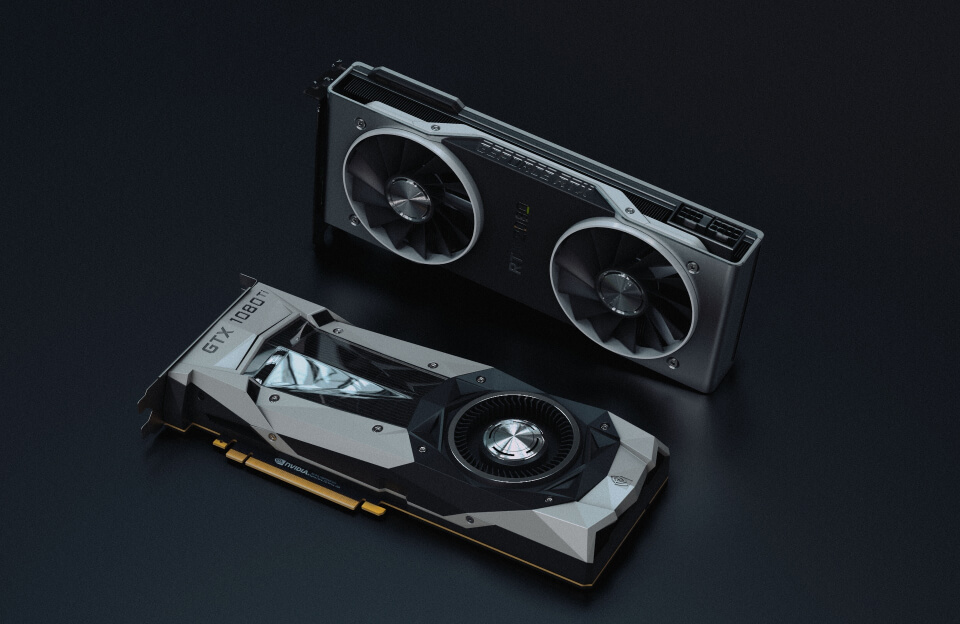
The graphics processing unit (GPU) is the heart of any high‑refresh‑rate build. To reach 144fps in modern titles, you’ll need a card that can deliver at least 200–300 fps at 1080p or 1440p, depending on the game’s demands. When selecting a GPU, consider the following:
- VRAM Capacity – 6 GB is the minimum for 1080p, while 8–10 GB is recommended for 1440p.
- CUDA Cores / Stream Processors – More cores generally mean better parallel processing.
- Ray‑Tracing Support – If you plan to enable ray tracing, choose a card with dedicated RT cores.
- Power Consumption – Ensure your power supply can handle the card’s TDP.
Popular choices for a 144Hz build include the NVIDIA GeForce RTX 3060 Ti, RTX 3070, and AMD Radeon RX 6700 XT. For the most demanding titles, the RTX 3080 or RX 6800 XT provide a comfortable margin above 144fps. Graphics Processing Unit technology continues to evolve, so keep an eye on the latest releases.
Upgrade Gaming PC: CPU and RAM Considerations
A powerful GPU can be stifled by a weak CPU or insufficient memory. For a 144Hz experience, aim for a quad‑core or better processor with a high boost clock. The AMD Ryzen 5 5600X or Intel Core i5‑13600K are excellent mid‑range options that pair well with modern GPUs. If you’re playing CPU‑intensive games like strategy or simulation titles, consider a six‑core or eight‑core CPU.
Memory should be at least 16 GB of DDR4 or DDR5, running at 3200 MHz or higher. Dual‑channel kits provide better bandwidth, which is crucial for maintaining high frame rates. DDR4 memory remains the most common choice for 2024 builds, but DDR5 is gaining traction for future‑proofing.
Upgrade Gaming PC: Storage and Cooling Solutions
Fast storage reduces load times and can indirectly improve performance by keeping the GPU fed with data. An NVMe SSD with read speeds of 3500 MB/s or higher is recommended. The Samsung 980 Pro and Western Digital Black SN850 are top performers. SSD technology has matured to the point where it’s a must‑have for competitive gaming.
Cooling is equally important. A high‑refresh‑rate build generates significant heat, especially under sustained load. Invest in a quality air cooler or a 240‑mm AIO liquid cooler. Ensure your case has good airflow with at least two intake and two exhaust fans. Proper thermal management keeps your components stable and prevents throttling.
Upgrade Gaming PC: Monitor and Display Settings
Even the best hardware will fall short if your monitor can’t display 144Hz. Look for a panel with a 144Hz refresh rate, low response time (1–5 ms), and adaptive sync technology such as NVIDIA G-Sync or AMD FreeSync. The LG 27GL850 and ASUS TUF Gaming VG27AQ are popular choices that balance price and performance.
Once you have the right monitor, tweak your in‑game settings. Lowering shadows, disabling V-Sync, and enabling performance mode can push frame rates higher. Use tools like NVIDIA Control Panel or AMD Radeon Settings to set the refresh rate to 144Hz and enable G-Sync/FreeSync for tear‑free gameplay.
Checklist for a Successful 144Hz Upgrade
- Verify power supply capacity (minimum 650 W for mid‑range GPUs).
- Install the new GPU and secure it with the backplate.
- Update BIOS and install the latest GPU drivers.
- Configure monitor settings and enable adaptive sync.
- Run benchmark tests (e.g., 3DMark Time Spy) to confirm 144fps.
- Monitor temperatures and adjust fan curves if necessary.
Conclusion: Take Your Gaming to the Next Level
Upgrading a gaming PC for 144Hz gameplay is a strategic investment that pays off in smoother visuals, reduced input lag, and a competitive edge in esports. By carefully selecting a high‑performance GPU, pairing it with a capable CPU, ensuring ample RAM and fast storage, and maintaining optimal cooling, you’ll create a system that consistently delivers 144fps or more.
Ready to transform your gaming experience? Start your upgrade today and feel the difference in every frame.
Frequently Asked Questions
Q1. What GPU is best for a 144Hz gaming setup?
The best GPUs for a 144Hz build depend on your resolution and game type. For 1080p, the RTX 3060 Ti or AMD RX 6700 XT can comfortably hit 144fps in most titles. At 1440p, consider the RTX 3070 or RX 6800 XT, which provide a good balance of performance and power consumption. If you want a future‑proof option, the RTX 3080 or RX 6800 XT will give you a comfortable margin above 144fps in demanding games.
Q2. Do I need a powerful CPU to reach 144fps?
A strong CPU is essential to avoid bottlenecks, especially in CPU‑heavy games. A quad‑core or better processor with a high boost clock—such as the Ryzen 5 5600X or Intel Core i5‑13600K—pairs well with modern GPUs. For strategy or simulation titles, a six‑core or eight‑core CPU will keep frame rates high and reduce stutter.
Q3. How much RAM is required for a 144Hz build?
At least 16GB of DDR4 or DDR5 is recommended. Dual‑channel kits running at 3200MHz or higher provide the bandwidth needed for smooth gameplay. If you plan to stream or run memory‑intensive applications, 32GB can offer additional headroom.
Q4. What storage should I use to support high frame rates?
Fast NVMe SSDs with read speeds of 3500MB/s or more, such as the Samsung 980 Pro or WD Black SN850, reduce load times and keep the GPU fed with data. While HDDs can store large libraries, they won’t impact frame rates directly but can cause longer level load times.
Q5. How can I ensure my PC stays cool during extended gaming sessions?
Invest in a quality air cooler or a 240‑mm AIO liquid cooler, and make sure your case has at least two intake and two exhaust fans for good airflow. Monitor temperatures with software like HWMonitor and adjust fan curves to keep components below safe limits, preventing thermal throttling.