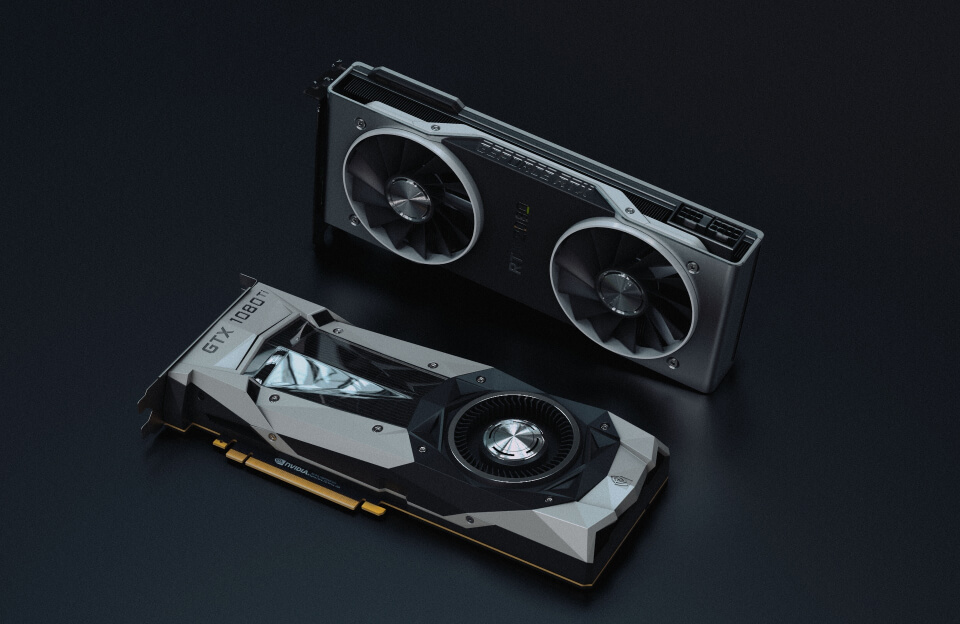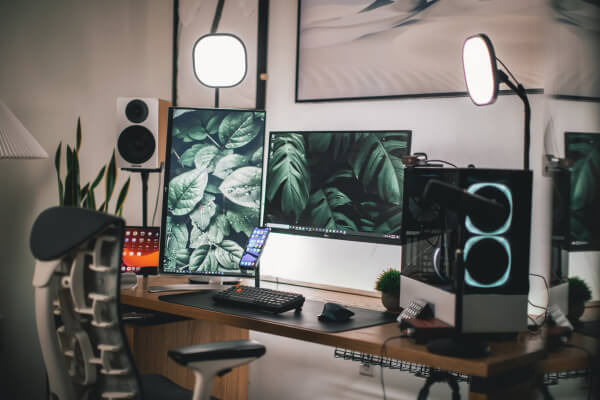
Upgrading a gaming PC can feel like a risky venture, especially when you’re worried about losing precious game saves, mods, or custom configurations. The good news is that with a systematic approach, you can modernize your rig—swap out an old GPU, add more RAM, or migrate to an SSD—while keeping all your data intact. This guide walks you through the steps, tools, and best practices to upgrade a gaming PC without data loss, ensuring you return to the battlefield with your progress preserved.
Upgrade a Gaming PC: Planning the Upgrade
Before you lift a screw, map out what you want to achieve. Are you chasing higher frame rates, faster load times, or simply a cleaner build? Identify the components that will deliver the biggest performance boost for your budget. Common upgrades include:
- Solid‑state drive (SSD) for faster boot and game load times
- Graphics card (GPU) for higher resolution and ray‑tracing support
- Random‑access memory (RAM) for smoother multitasking and future‑proofing
- Power supply unit (PSU) to accommodate new power demands
- Cooling solutions to maintain optimal temperatures
Once you’ve chosen your parts, create a checklist of tasks: backup, hardware removal, installation, and post‑install verification. This roadmap keeps you organized and reduces the chance of accidental data loss.
Backing Up Your Data: The First Line of Defense
Data loss often stems from an overlooked backup. Use a combination of local and cloud storage to safeguard your files. Here’s a reliable backup strategy:
- Full System Image: Create a disk image of your current OS and installed programs. Windows’ built‑in Backup and Recovery tool or third‑party software like Macrium Reflect can capture an exact snapshot.
- Game Saves and Configurations: Many games store saves in
%USERPROFILE%\Saved Gamesor cloud services such as Steam Cloud. Export these manually or use a dedicated backup app. - External Drive or NAS: Copy the image and critical files to an external hard drive or network‑attached storage. This adds a layer of protection against hardware failure.
- Cloud Backup: For critical data, use a reputable cloud provider (e.g., Google Drive, OneDrive). Ensure encryption for sensitive files.
Verify the backup by restoring a small file or running a quick test on a spare machine. Confidence in your backup means peace of mind during the upgrade.
Hardware Migration: From HDD to SSD Without Losing Data
Replacing a mechanical hard drive with an SSD is one of the most impactful upgrades. The key is to clone the existing drive rather than performing a fresh install. Follow these steps:
- Choose Cloning Software: Tools like Acronis True Image or free options such as Clonezilla can duplicate partitions bit‑for‑bit.
- Connect the SSD: Use a USB‑to‑SATA adapter or an internal bay if available.
- Clone the Drive: Run the cloning software, selecting the source (HDD) and destination (SSD). Ensure the SSD is at least the same capacity or larger.
- Swap Drives: Once cloning completes, power down, replace the HDD with the SSD, and boot. The system should recognize the new drive as the primary boot device.
- Optimize for SSD: Enable TRIM in Windows by running
fsutil behavior set disabledeletenotify 0in an elevated command prompt. This keeps the SSD healthy over time.
After the migration, run a quick benchmark to confirm that boot times and game load speeds have improved. If you encounter boot issues, double‑check the BIOS boot order and ensure the SSD is set as the first device.
Upgrading the GPU and RAM: Avoiding Compatibility Pitfalls
When installing a new GPU or adding RAM, compatibility is paramount. Here’s how to ensure a smooth upgrade:
- Check Motherboard Specs: Verify the PCI‑Express slot version (e.g., PCI‑e 3.0 vs 4.0) and power connectors. Refer to the motherboard manual or RAID documentation for guidance on power distribution.
- Power Supply Capacity: Use a PSU calculator (e.g., NVIDIA’s GPU calculator) to confirm wattage sufficiency.
- RAM Compatibility: Match the speed, latency, and voltage of new sticks with existing modules. Dual‑channel or quad‑channel configurations yield better performance.
- BIOS Update: If your motherboard is older, update the BIOS to support newer GPUs or higher RAM frequencies.
After installation, boot into the operating system and run a stress test (e.g., SSD benchmark tools) to confirm stability. Check that the new GPU is recognized in Device Manager and that the system is not throttling due to thermal constraints.
Post‑Upgrade Verification: Ensuring Data Integrity
Once all components are installed, perform a thorough check:
- Boot and Load Games: Verify that all games launch and that saved progress is intact.
- Run Diagnostics: Use tools like GPU-Z and CPU-Z to confirm hardware recognition.
- Check Disk Health: Run SMART diagnostics on the SSD to ensure no errors.
- Backup Again: After confirming everything works, create a fresh backup. This new image reflects the upgraded system and serves as a safety net for future changes.
By following these steps, you’ll have upgraded your gaming PC while preserving all your data, settings, and progress.
Conclusion: Upgrade with Confidence
Upgrading a gaming PC doesn’t have to be a gamble. With a solid backup plan, careful component selection, and methodical installation, you can enhance performance and extend the life of your rig without risking data loss. Remember to document each step, keep your backups up to date, and test thoroughly before declaring victory.