
When it comes to building a powerful gaming machine, having a clear upgrade roadmap isn’t just helpful—it’s essential. A well‑planned upgrade path prevents costly missteps, ensures each component adds real value, and keeps your system future‑ready. In this guide, we’ll walk you through the steps you need to take to turn a budget build into a high‑end beast, all while staying mindful of price, performance, and longevity.
Gaming PC Upgrade: Determine Your Goals
Before you spend a penny on new parts, define what you want from your system. Are you aiming for 4K HDR, VR, or competitive esports? Your goals dictate the most strategic upgrades. For example, high‑frame‑rate gaming demands a stronger GPU, whereas streaming and content creation benefits from a faster CPU and more RAM. By setting clear, measurable objectives, you can prioritize components that yield the biggest bang for your buck.
Gaming PC Upgrade: Budget and Component Prioritization
Once you know what you need, it’s time to allocate your budget. In a typical mid‑range build, you often have a choice between an upgraded processor or a better graphics card. The decision depends on the current shelf of games you run—2025 titles like Cyberpunk 2077 or Grand Theft Auto VI prioritize GPU horsepower, while RPGs such as Skyrim still benefit from a strong CPU.
Here’s a quick checklist to help you decide where to allocate your funds:
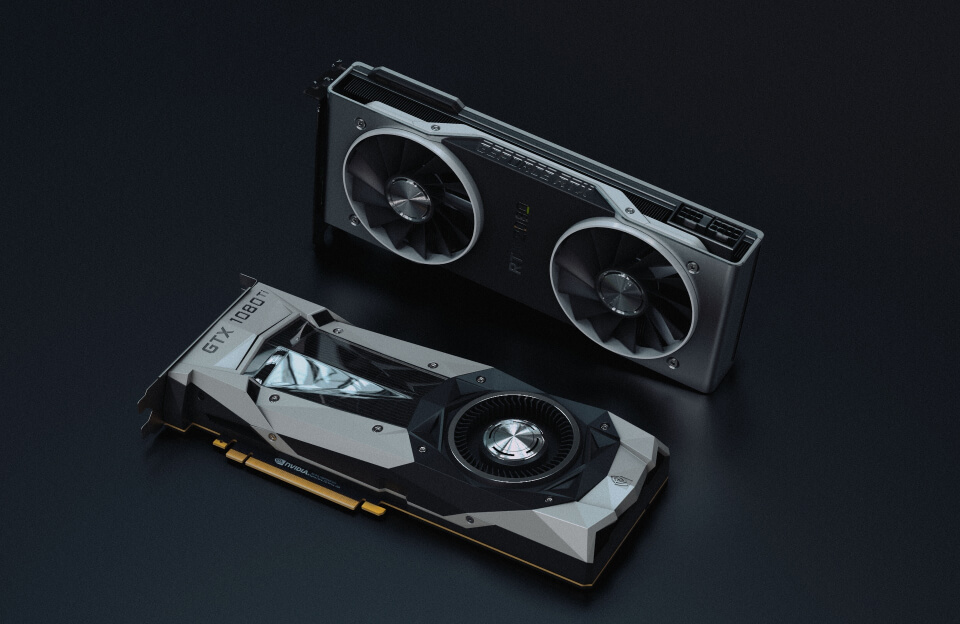
- High‑end GPU (e.g., RTX 40‑series) for 4K gaming
- Mid‑Tier CPU (e.g., AMD Ryzen 5 7600X) for streaming and CPU‑intensive titles
- Enough RAM (16–32GB) for multitasking and future titles
- Fast SSD storage (NVMe) to reduce load times
- Reliable PSU (650–850W, 80+ Gold) to handle power spikes
- Quality case with airflow to keep temperatures in check
Adjust the list based on your budget and priorities. For a tighter budget, start with a solid budget build and plan to upgrade the GPU or CPU later when prices dip.
Gaming PC Upgrade: Cooling & Power Considerations
Higher performance demands more efficient thermal management. A heat sink paired with an aftermarket cooler can keep temperatures below 70°C, extending component life. If you plan to overclock the CPU or GPU, consider a liquid cooling solution, or at least a high‑flow radiator with multiple fans.
Your power supply unit (PSU) is another critical factor. Even a 650W panel can become unstable if it’s heavily loaded; look for models with a 80+ Gold rating or better. A redundant supply adds peace of mind and brands such as Eurotech provide excellent reliability for serious gamers.
Gaming PC Upgrade: Future‑Proofing & Upgrade Path
Future‑proofing isn’t about buying a $2000 machine now and refusing to touch it for years—it’s about building with upgradeability in mind. Use a yoga‑style modular case that allows you to swap motherboards or add more drives as needed. Opt for a motherboard with extra PCIe slots and M.2 bays so you can upgrade to a next‑gen GPU or storage later on.
When you build, always leave space for newer components. For instance, a modern chassis often has several internal mounting points for up to 360mm radiators. If you later decide to install a second GPU or a specialized NVMe drive, your case can accommodate it without you needing a new enclosure.
Pro tip: keep your BIOS firmware up to date. Manufacturers frequently release updates that improve power management, stability, and sometimes even bring new CPU support, keeping your system more flexible for future upgrades.
Conclusion – Start Your Upgrade Journey Today
By clearly defining your gaming objectives, thoughtfully allocating your budget, ensuring robust cooling and power delivery, and building with upgradeability in mind, you can turn any PC into a powerful, future‑ready gaming machine. Whether you’re a casual player looking to enjoy the latest titles or a competitive enthusiast hunting those extra frames, a well‑structured upgrade roadmap guarantees steady progress toward peak performance.
