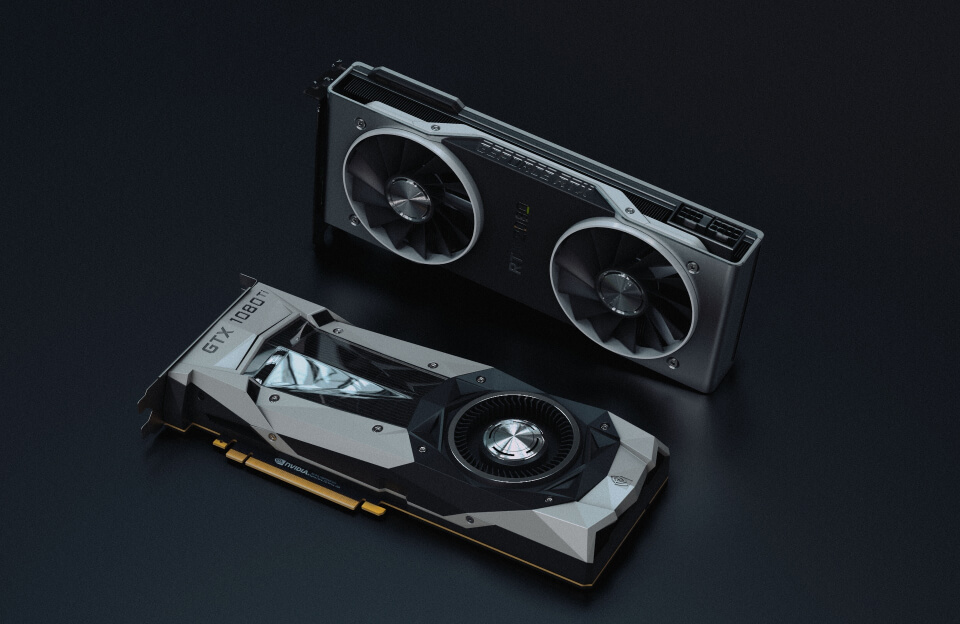
Gaming PCs are built for high performance, but with power comes heat. Without proper thermal management, temperatures rise, throttling performance, and component lifespan shrinks. This guide walks you through every step—from selecting the right cooling solutions to fine-tuning airflow—to keep your system running hot‑spots low and a steady, efficient core. Whether you’re a builder, gamer, or tech enthusiast, mastering thermal management keeps you competitive—and your PC safe.
Understand the Science Behind Heat
Every electronic component consumes power and converts part of it into heat. The relationship is defined by Joule’s law: Heat = Current × Resistance × Time. In a gaming PC, the CPU and GPU generate the bulk of the heat. When their temperatures exceed manufacturer thresholds, fans speed up automatically, creating a feedback loop that can still’t keep them within safe limits if airflow is poor.
Key secondary terms you’ll encounter: thermal conductivity, heat sink, and thermal expansion. High thermal conductivity materials—like copper or aluminum—transmit heat efficiently from chip to fan. Heat sinks with large fin areas exploit convection to dissipate through air. Understanding these basics informs every design choice you make.
For deeper research, see the Wikipedia entry on thermal paste.
Select the Right Cooling Architecture
There are three main approaches to keep a gaming PC cool: air cooling, liquid cooling, and hybrid systems that combine both.
- Air Cooling: Most accessible; high-quality fans (2000–3000 RPM) paired with a large radiator or custom heatsink.
- Radiator-Based Liquid Cooling: A closed-loop or custom loop that uses water, regulated by pumps and radiators.
- Hybrid: Uses liquid for high‑heat components (CPU) while keeping GPU on air cooling.
Air cooling remains the winner for budget builds. Choose a fan with a static pressure rating that matches your radiator or heatsink. For liquid systems, consider a 240 mm or 360 mm radiator with a 140 mm pump + fan assembly. Quality matters: look for brands that provide at least 150 °C working temperatures.
In high‑performance desks, a 360 mm radiator often provides better airflow, especially when paired with a 4‑fan setup.
Thermal Paste and Component Placement
Thermal paste—or thermal compound—is the thin layer that bridges microscopic gaps between the CPU or GPU die and the heatsink. Modern pastes have improved viscosity and conductivity, but the application process remains crucial. Apply a pea‑size drop and spread evenly with a plastic card or the included spreader; excess paste can conduct heat poorly.
Placement matters: ensure the heatsink sits flush against the CPU, eliminating any air pockets. When assembling a desktop, mount the GPU in the optimal slot—usually the second PCIe lane if your BIOS supports it—to avoid increasing its temperature.
For an in‑depth look at thermal paste chemistry, refer to Wikipedia’s thermal paste page again.
Optimize Airflow: Inlet, Path, Outlet
Case airflow consists of three components: intake, path, and exhaust. Strategic cable management and ventilation holes improve airflow across all three stages.
1. Intake: Position intake fans at the front or bottom of the case. Use high‑static‑pressure fans to push air through vents, especially at entry points like radiator or GPU heatsink grids.
2. Path: Organize cables meticulously with tie‑down straps; remove any obstructive elements from the airflow path. Place the GPU heat sink in the middle, ensuring fans can clear its fin array.
3. Exhaust: Place one or more fans at the rear or top. Fans should exhaust the hottest air out; a common rule is to have an 80 % intake‑to‑exhaust match.
Monitor temperatures with tools like HWMonitor or MSI Afterburner. Aim for ≤ 75 °C under load on the GPU and ≤ 80 °C on the CPU in most consumer graphics card configurations.
Advanced Options: Refrigerant‑Based Systems and Thermoelectric Cooling
Beyond typical air and liquid, some enthusiasts invest in refrigerant-based or thermoelectric (Peltier) solutions. Refrigerant coils akin to those in air‑conditioners can dissipate extreme heat but need additional fans or ventilation. Thermoelectric coolers can achieve sub‑ambient temperatures but demand a substantial power budget and additional heat removal on the hot side.
These approaches are best for custom rigs or overclocker labs, not for mainstream gaming builds. They provide performance headroom, yet they increase system complexity and cost significantly.
Regular Maintenance and Monitoring
Dust settles quickly, clogging fans and radiators, which raises static pressure requirements. Schedule monthly cleaning: unplug, open the case, and use compressed air or a soft brush. Replace thermal paste every 2–3 years or if the system experiences stagnation in temperature improvements after a new cooling build.
Keep firmware up‑to‑date: BIOS & BIOS updates often contain thermal and fan curve optimizations. Use the manufacturer’s software to calibrate fan curves; most motherboards offer ramping profiles tailored to your hardware.
Final Thoughts and Your Next Move
Managing heat isn’t just a technical necessity—it’s a strategic advantage. A well‑designed thermal system keeps your GPU and CPU operating within safe ranges, maximising both longevity and performance during intense gaming sessions.
Ready to take control? Start by evaluating the cooling capacity of your current setup: measure idle and load temperatures, review airflow paths, and replace underperforming fans or heatsinks. If you’re looking for a next‑level build, consider a 360 mm liquid loop paired with a high‑static‑pressure intake and a clear, cable‑aware case.