When you think of a gaming PC, you often picture high‑end graphics and console‑like performance. But over the last decade, the lines between gaming rigs and content‑creation workstations have blurred. A top‑tier Gaming PC can power everything from 4K video editing to full‑scale live streaming, making it the ideal platform for creators who want the best of both worlds. In this guide, we’ll explore why a gaming machine is a natural fit, spotlight the key components every creator needs, and give you a ready‑made build checklist to get started.
Gaming PC: The Ideal Base for Creators
Content creators today demand speed, reliability, and multitasking prowess. A Gaming PC supplies these elements in one sleek package. The same powerful GPUs that render immersive virtual worlds also accelerate rendering engines, decode 4K footage, and mash up multiple video streams in real time. CPU‑intensive tasks, such as assembling complex timelines or applying physics‑based effects, get along just as happily on a gaming‑grade processor as they do on a professional workstation. That synergy means you can keep one machine for both gaming and creation without compromising either.
Gaming PC Features for Video Editing
When editors cut footage, codecs, and effects, they rely on strong CPU parallelism and fast, low‑latency storage. Here’s what to look for:
- High‑clocked multi‑core CPU – An Intel Core i9 or AMD Ryzen 9 delivers the raw horsepower needed for programs like Adobe Premiere Pro, DaVinci Resolve, and Final Cut Pro.
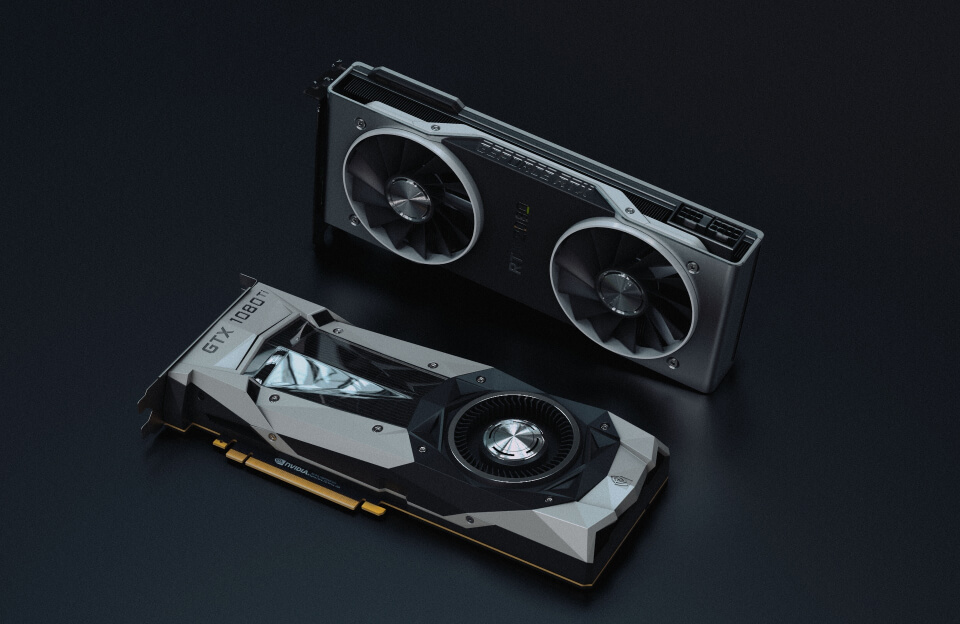
- Dedicated GPU with ample VRAM – The NVIDIA GeForce RTX 30 Series or the AMD Radeon RX 6000 Series bring CUDA and OpenCL acceleration to editing workloads.
- NVMe SSD (1‑2 TB) – Ultra‑fast read/write speeds dramatically cut cache lock‑times for large 4K files.
- Advanced cooling systems – Liquid cooling or high‑airflow cases ensure sustained performance during long export sessions.
These components don’t just speed up editing; they also support GPU‑based rendering features such as Ray Tracing in 3D animation, making your visuals look more realistic in a fraction of the time.
Gaming PC Performance in Live Streaming
Live streaming combines video decoding, encoding, real‑time overlays, and network transmission. A Gaming PC excels because streaming software like OBS Studio or Streamlabs benefits from both CPU and GPU encoding (NVENC, AMF, or VCE). The key streaming assets are:
- Fast Internet uplink (5 Mbps upload for 1080p at 60 fps, 10 Mbps for 4K).
- Dual‑mode GPU that supports hardware encoding.
- Robust audio routing with an external soundboard or interface.
- Multiple USB‑C or Thunderbolt ports for attaching webcams, capture cards, and streaming gear.
With these specifications, you can layer gameplay footage, webcam streams, and pre‑rendered graphics without dropping frames – a vital combination for professional broadcasters.
Gaming PC Build Checklist for Content Creators
Below is a sample configuration that balances power and price while staying true to a creator’s needs. It uses components available in 2024 that maintain future‑proofing for upcoming software updates.
- CPU: AMD Ryzen 9 7950X – 16 cores, 32 threads.
- GPU: NVIDIA GeForce RTX 4090 – 24 GB GDDR6X.
- RAM: 64 GB DDR5-6000.
- Primary Storage: 2 TB Samsung 990 Pro NVMe SSD.
- Secondary Storage (media cache): 4 TB Western Digital Red Pro SATA HDD.
- Motherboard: ASUS ROG Crosshair X670E Hero (Wi‑Fi 6E).
- Power Supply: 1200 W Seasonic Prime TX-1200.
- Cooling: Corsair iCUE H150i Elite Capellix liquid cooler.
Focusrite Scarlett 18i8 3rd Gen.
With this rig, creators can run multiple Adobe Creative Cloud apps, render CUDA‑accelerated effects, and broadcast high‑definition streams without latency issues. It’s future‑proof: the RTX 4090 still supports ray‑tracing and DLSS, and the latest BIOS releases will keep new CPUs and SSDs compatible without hassle.
Secondary Considerations: Software, Heat, and Upgrades
Building a Gaming PC for content creation isn’t just about picking the highest‑end parts. You’ve got to balance software compatibility, thermals, and upgradeability.
First, ensure your chosen GPU drivers and codecs are optimized for the tools you use. NVIDIA’s GeForce Experience updates regularly with faster 4K decoding for both video editing and streaming workflows. Second, manage heat: a clean air‑flow cable layout combined with a high‑efficiency PSU and a case with ample intake does wonders for sustained performance during marathon sessions.
Finally, keep upgrade pathways in mind. A U‑BGA motherboard with plenty of expansion slots lets you swap GPUs or add more storage later. The same applies to RAM; consider a dual‑rank module set that leaves extra DIMM slots for future capacity.
Conclusion: Elevate Your Creative Game with a Gaming PC
A Gaming PC is not just a relic of nostalgia; it’s a modern, versatile powerhouse that supports every stage of content creation — from initial drafting to final broadcast. By aligning your rig’s CPU, GPU, memory, and storage to the demands of video editing and live streaming, you harness the same performance that fuels AAA games, now applied to your professional projects.
Ready to upgrade your creative toolkit? Start building the future‑proof rig that turns your idea into high‑resolution reality and captures audiences worldwide.
Take the leap today: design your Gaming PC and watch your creative possibilities expand.