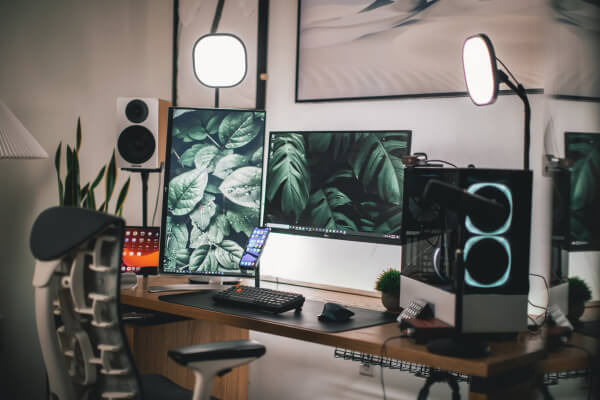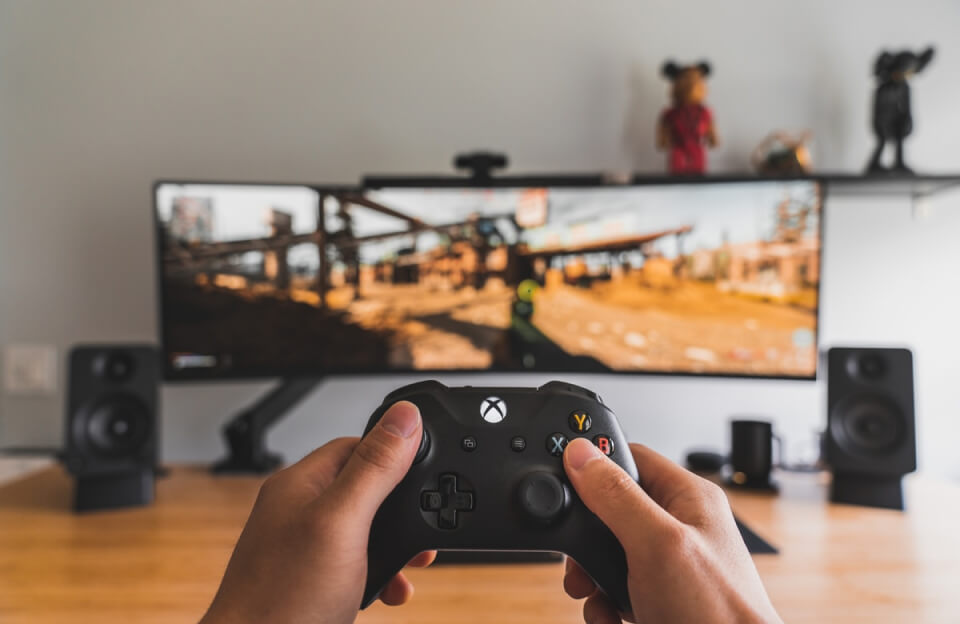
Custom Gaming PC Theme Ideas can transform more than just the look of your computer; they re‑define the way you feel every time you fire up a title. With a focused design plan, you pair aesthetics and performance, creating a setup that feels like a personal gaming dojo. From lighting cues that mimic a battle map to themed peripherals that echo your favorite franchise, your rig becomes a fully immersive playground.
1. Color Harmony and Mood
Choosing a color palette is the cornerstone of any theme. Think about the emotions you want to evoke. Dominant cool shades—blues and greens—pass a sense of calm, while deep reds and oranges can ignite a sense of aggression and speed, perfect for competitive shooters. Use RGB lighting kits with addressable LEDs to layer subtle ripples or sharp strobe effects that sync with your game’s atmosphere. Many modders recommend sticking to a three‑color limit to avoid visual clutter while letting your wiring remain tidy. A harmonious palette also reduces eye strain during marathon sessions.
2. Thematic Accessories and Peripherals
Peripherals are the outward symbols of your gaming identity. A dedicated gaming keyboard with keycaps printed in your chosen theme colors or with custom legends can instantly provide a tactile cue for your style. Computer case add-ons, such as hinged panels shaped like characters or logos, elevate visual storytelling. If you’re into racing sims, decals replicating a specific car model or team insignia can be placed over the case and monitor bezel, making for a standout setup. Many enthusiasts also use a themed mouse pad that’s both functional and visually congruent.
3. Lighting and Effects
Lighting is the engine that brings a theme to life. Start by installing a motherboard RGB header that supports multiple zones, then choose a color temperature that matches your mood: a cool white for a more professional vibe or a warm amber for relaxed play. If you enjoy advanced ambience, consider a side pane or power supply management that highlights critical components like the GPU and CPU. Syncing these lights to music with NVIDIA GeForce Experience’s ‘Audio‑Reactive’ feature can produce an immersive beat‑matching effect—ideal for music or rhythm games.
Lighting System Elements
- Addressable RGB strips on motherboard and chassis.
- Back‑lit mechanical keyboard with profile‑matching LEDs.
- RGB fusible power button that reflects system status.
- Ambient lighting synced to game events or audio.
- Power‑on sequences that animate a preset lighting pattern.
4. Build Data and Modding
Technical choices directly influence how high‑end your theme can be. Opt for a mid‑tower like the Graphics Processing Unit‑centric NVIDIA GPU for vibrant shader output, or combine it with Intel’s Intel Official Site processors for balanced performance. When it comes to modding, consider 3‑D printed or laser‑cut panels that can hide cable clutter—an essential step for clean aesthetics. Removable cable sleeves in thematic colors or stylized prints can be added to the pass‑thru panel, providing a future‑proof and easy maintenance carousel.
5. Budget‑Friendly Theme Tweaks
High‑end RGB and custom panels are great, but you can achieve striking looks on a limited budget. Start with inexpensive LED strips that plug into the power supply or a USB port. Under‑grill fans or cavity lighting can transform your case’s interior without extra hardware costs. For a quick makeover, use a set of magnetic organizer strips on the case’s external panels—an inexpensive way to emulate high‑tech display panels and to keep cable management tidy. Finally, a few well‑placed stickers or decals from credible sources can provide a thematic flourish, reminding you of an epic storyline whenever you glance at your rigs.
Ready to turn ideas into a custom gaming PC theme? Grab the right components, plan your layout, and start building—or get help from a pro modder if you want that signature look perfected. Share your final design in the comments or tag us on social media for a chance to be featured! Your setup is a canvas—make it legendary.
Frequently Asked Questions
Q1. What is the ideal color palette for a custom gaming PC theme?
An ideal palette keeps things simple, usually sticking to three complementary colors. Cool tones like blues and greens evoke calm and focus, while warm reds and oranges add energy and intensity. Balancing these hues across case lighting, stickers, and peripherals helps create a cohesive visual experience without overwhelming your eyes.
Q2. How do I incorporate RGB lighting into my build?
Begin by choosing a motherboard with addressable RGB headers and then install RGB strips on the chassis edges, under‑grills, and cable sleeves. Sync lights to audio or game events using software like RGB Fusion or NVIDIA GeForce Experience for dynamic effects. Remember to keep cable management tidy so the lighting stays unobstructed.
Q3. What accessories can enhance my gaming theme?
Custom keycaps, themed mouse pads, and case decals instantly communicate personality. Hinged panels shaped after game characters or team logos add narrative depth, while decals on the monitor bezel tie the whole setup together. Laser‑cut or 3‑D printed panels can hide cables and reinforce the theme.
Q4. Can I build a themed PC on a limited budget?
Yes—start with inexpensive LED strips, under‑grill fans, or magnetic organizer strips to anchor the aesthetic. Stickers from reputable sources provide a quick thematic upgrade without heavy investment. Pair these with performance‑focused hardware like mid‑tier GPUs and solid state drives for a balanced build.
Q5. How do I sync lighting with game audio or events?
Use software such as NVIDIA GeForce Experience’s Audio‑Reactive feature or dedicated RGB control platforms that support game profiles. These tools adjust lighting color, intensity, and animation in real time, providing beat‑matching effects that intensify immersion for rhythm or action games.