Building a reliable Budget Gaming PC doesn't have to break the bank. With the right selection of components, you can enjoy smooth gameplay on 1080p resolutions, participate in e‑sports competitions, and even explore emerging titles—all while keeping costs beneath the average premium build. This guide walks you through a balanced lineup of parts, from the processor to the case, that delivers great performance without skimping on quality.
Choosing the Right CPU
The Central Processing Unit is the backbone of your gaming rig. For a budget build, a modern quad‑core or hexa‑core offers the best price‑to‑performance ratio. The AMD Ryzen 5 5600X delivers 6 cores and 12 threads, topping the chart for budget gaming at a price around $160. If you prefer Intel, the Core i5‑13400F clocks at 6 cores and 12 threads for roughly $130, and its integrated graphics let you test builds even if a GPU is out of reach. Both processors support PCIe 4.0, future‑proofing your setup for upcoming GPUs.
Memory & Storage: Speed Matters
RAM is crucial for multitasking and game loading times. A 16GB DDR4 kit at 3200MHz or 3600MHz strikes an excellent balance between speed and cost. Brands like G.Skill B650 or Corsair Vengeance LPX provide reliability for under $70. For storage, opt for an NVMe SSD of 500GB to 1TB. The Samsung 970 EVO Plus offers 3600MB/s sequential reads, enabling rapid map weaves and quicker launch times. Affordable models can cost around $90 for 1TB, leaving a comfortable budget for a GPU and power supply.
The Graphical Heart: Affordable GPUs
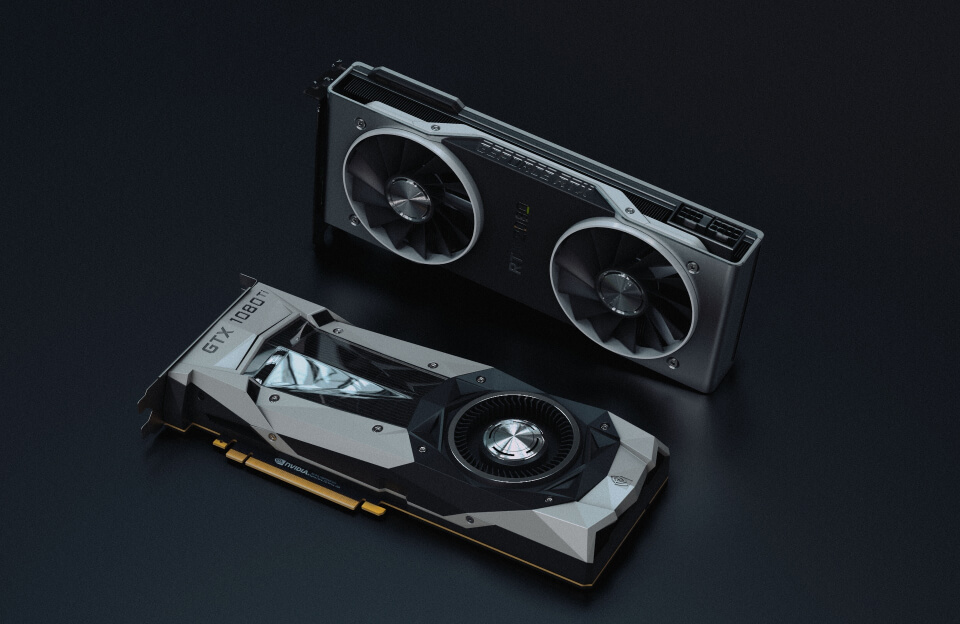
Graphics cards dictate frame rates and visual fidelity. In 2024, the NVIDIA RTX 3060 provides excellent 1080p performance for a price near $300, while the AMD Radeon RX 6600 XT runs under $280 and supports DirectX 12 Ultimate. Both adapters include ray‑tracing cores for immersive visuals, though performance-intensive titles may require a 60‑fps target. Verify that your chosen GPU matches the power plan: a 550W supply is sufficient for the RTX 3060, while the RX 6600 XT works well under a 450W unit.
Case & Power Supply: Stability & Aesthetics
A midsize ATX case should provide adequate airflow and expandability. The NZXT H510 or Cooler Master MasterBox 400L—both under $70—balance style, cable management, and cooling options. Pair the case with a certified 80+ Bronze power supply: the Corsair CX550 or EVGA 500 BQ supply offers at least 550W, supporting the GPU and CPU with a margin. Good airflow prevents throttling, especially when running demanding games under load.
Additional Cooling & Accessories
Even a budget build benefits from thoughtful cooling. A single 120mm or 140mm fan, such as the Noctua NF‑M12, enhances front‑to‑back airflow at roughly $20. If using a stock cooler, add a low‑profile 120mm rear fan for heat dissipation. Accentuate the aesthetic with a tempered glass side panel, costed at just $25. Finally, ensure the motherboard has an M‑SATA or U.2 port if you plan to expand NVMe drives in the future.
Conclusion: Build Smarter, Save More
By selecting a balanced set of parts—an efficient CPU, speedy memory, a competent GPU, and reliable case and power delivery—you can assemble a Budget Gaming PC that scores 60–80 FPS on popular titles like Fortnite and League of Legends, while still enjoying modern visuals. Keep the focus on value: buy components that exceed your gaming needs without over‑specifying. Use resources like PCPartPicker to cross‑check prices, and review professional benchmarks found on Wikipedia’s CPU page and GPU page for runtime data. Ready to pull up your mouse and begin the hands‑on process? Grab these components, follow the guide, and for the first time, enjoy a high‑performance PC that stays within your budget. Start building today!
Frequently Asked Questions
Q1. What is the minimum budget for building a budget gaming PC?
A typical 1080p gaming build starts around $500 when focusing on key components. This price point includes a mid‑range CPU, a solid GPU, 16 GB of RAM, a 512‑GB SSD, and a reliable PSU. The exact cost can vary with sales, so using price‑comparison tools helps. For best performance, consider a slightly higher budget of $600–$650.
Q2. Which CPU offers the best value for a budget build?
The AMD Ryzen 5 5600X and Intel Core i5‑13400F are both excellent choices, each delivering six cores and 12 threads. The Ryzen variant typically edges out in raw gaming performance at a similar price, while the Intel model offers cheaper integrated graphics for temporary use. Either processor will run most modern titles at 1080p. Your decision may ultimately come down to motherboard availability or brand preference.
Q3. How much RAM should I install for smooth gameplay?
Sixteen gigabytes of DDR4 clocked at 3200 MHz or 3600 MHz is the sweet spot for 1080p gaming today. Dual‑channel kits provide better bandwidth than single‑stick sets. Studies show that many modern titles consume 10–12 GB of memory during intense scenes, leaving headroom for background apps. Upgrading to 32 GB makes sense only if you stream, edit, or run many applications simultaneously.
Q4. Is an aftermarket CPU cooler worth the extra cost?
If you are using the stock cooler that comes with most Ryzen CPUs, it is adequate for normal gaming loads. However, if you plan to demand sustained high frame rates or modest overclocking, a low‑profile 120‑mm fan or a simple liquid cooler can reduce noise and lower temps. The additional $30–$50 provides noticeable improvements, especially in hot cases. For most budget builds, the stock cooler is a small savings but an aftermarket unit pays off early.
Q5. Can I upgrade components later without replacing the whole system?
Yes, the ATX form factor and an 80+ Bronze PSU allow you to swap in a more powerful GPU or add extra storage in the future. When upgrading, double-check that the motherboard offers enough PCIe lanes and M.2 slots for the components you plan to add. You may need to adjust cable management and ensure airflow remains adequate. Many budget builds are designed with expandability in mind, so you won’t have to replace the entire system.