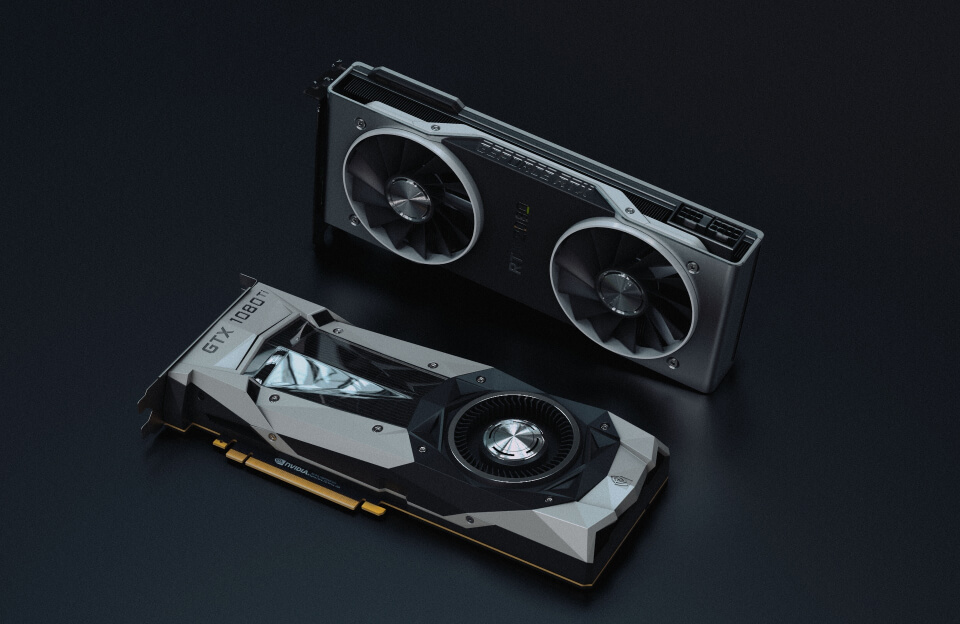

When building or upgrading a gaming PC, cable clutter can quickly become an aesthetic and airflow nightmare. Removing that tangle not only improves visibility and heat dissipation, but it also gives your rig a sleek, professional look. Below we explore a range of creative approaches—called Gaming PC Cable Sleeve Ideas—for turning a chaotic wire cross‑section into an organized work of art. These ideas blend functional design with style, making each cable route a deliberate feature rather than a after‑thought nuisance.
Gaming PC Cable Sleeve Ideas for Slim, Organized Setup
One of the simplest ways to reduce the visual bulk of wires is to encase them in a single, continuous sleeve. This not only streamlines the cable bundles but also protects them from dust and accidental snags. Use a flexible nylon or heat‑resistant polyurethane sleeve with a zip‑lock opening, and follow these steps:
- Measure the combined length of all cable bundles you plan to group.
- Cut a sleeve open by 1 inches past the required length.
- Slide cables in, arrange them neatly, then zip the sleeve closed.
- Attach Velcro straps or silicone ties at the sleeve’s entrance for a firm hold.
For touch‑up, pair the sleeve with a strip of matte‑black tape and trim the excess. The result? A clean, honeycomb‑like cable trunk that fits snugly within the case’s bulk‑flow hot‑air corridor and avoids airflow restriction.
Gaming PC Cable Sleeve Ideas with Color‑Coding Tactics
Color‑coding turns cable management from a mere necessity into a subtle design statement. By assigning a distinct hue to each component—power supply, graphics card, motherboard, and peripheral cables—you can quickly diagnose potential issues and swap out parts during upgrades. Follow these steps:
- Select a set of 5–7 silicone sleeves in matching, non‑reflective colors.
- Label each sleeve with a small sticker indicating its destination (e.g., “GPU”, “CPU”, “Case Fan”).
- Use cable ties to group corresponding cables before sliding them into sleeves.
- Secure the base of each sleeve with cable clips, ensuring the routed path remains steady.
When choosing colors, consider the lighting in your room. For example, red or orange sleeves will glow under RGB LED strips, while cool blues and greens silently blend into a darker build. This strategy aligns with design principles found on cable‑management research which emphasize ease of maintenance and component accessibility.
Gaming PC Cable Sleeve Ideas Using DIY Fabric
For those who relish a hands‑on, customized aesthetic, crafting cable sleeves from fabric—such as canvas or microfiber—is a creative alternative that offers both breathability and visual flair. This method supports faster cooling, and because you control every detail, you can match the sleeve to your case’s color scheme. Here’s a straightforward DIY guide:
- Cut a strip of fabric 2–3 inches wide and as long as your cable bundle.
- Place a heat‑resistant pouch (like an appliance inside a heat‑proof sleeve) at the back so fabric does not touch the heat source.
- Wrap the bundle within the strip, and tighten it using fabric ties or a small spring using a Glue Stick.
- Secure the front end with a patch of Velcro or a small metal clip.
Choose a moisture‑wicking or anti‑static fabric—similar to those used in industrial electronics—to minimize static buildup. You’ll find that many advanced gamers appreciate this level of attention, and it can elevate the overall build aesthetics.
Gaming PC Cable Sleeve Ideas for Quick Install & Upgrade
Future‑proofing your build should be a priority. A modular cable sleeve system allows you to pull out and replace any section without unhooking dozens of wires. Consider a set of adaptable Mesh™ or nylon tubing that you can snap open when you have to work on a specific component. Apply these steps for maximum upgrade flexibility:
- Use 1‑inch wide tubing that fits snugly around the main cable bundles.
- Insert grommets at the entry points to secure the tubes.
- Employ quick‑release Velcro at points where you anticipate changes, such as PCIe power connectors or M.2 drives.
- Tag each tube with a label indicating its function, and store these tags in an easily accessible slot.
When you need to upgrade the GPU or adding a new SSD, simply unfurl the relevant tube, perform the swap, and snap the tube back. This method reduces component downtime and keeps the internal layout coherent, a principle highlighted in the engineering literature on system reliability.
Conclusion: Elevate Your Build with Smart Cable Management
At the intersection of utility and aesthetics, Gaming PC Cable Sleeve Ideas deliver a cleaner, cooler, and cooler. By choosing a slim sleeve, a vibrant color code, a tactile fabric wrap, or a quick‑release modular system, you can control airflow, protect components, and showcase style. It’s time to stop letting cables muddle your gaming rig and start applying these approaches today. For more detailed guides, component reviews, and community discussions, visit trusted sites like Wikipedia’s PC case pages and major tech forums. Ready to level up your build? Shop quality cable sleeves, tutorials, and accessories from reputable retailers, and bring your gaming setup to the next level now—start your transformation today!