When you hear the buzz around DDR5, the first question is whether it’s worth the extra cost for a gaming PC. The answer is a resounding yes—especially if you’re planning a fresh build or want to future‑proof your rig. DDR5 brings double the bandwidth of DDR4, lower power draw, and higher module densities, all of which translate into smoother gameplay, faster load times, and more headroom for future hardware. In the next sections we’ll dissect what makes DDR5 a game‑changer, how to pick the best kit, and what you need to know about compatibility and long‑term value.
DDR5: What Makes It a Game Changer
DDR5 isn’t just a 10‑year iteration of memory; it’s a leap forward in speed, efficiency, and scalability. While DDR4 top‑end modules peak at around 3200–3600 MHz, DDR5 standard speeds start at 4800 MHz, with high‑end kits exceeding 6400 MHz. This bandwidth increase means a larger data path between the CPU and RAM, which is critical for memory‑intensive titles such as Cyberpunk 2077 or Assassin’s Creed Valhalla. In addition, DDR5 reduces power consumption by 30–50 % compared to DDR4, thanks to on‑die voltage regulation and improved signal integrity. Higher capacities per module—up to 64 GB in commercial modules—also allow game developers to pack more assets into memory, reducing swap and stuttering.
For a deeper technical view, the DDR5 Wikipedia page outlines the key architectural changes, while Intel’s processor family page highlights how upcoming CPUs natively support the new standard. AMD’s official processor page also confirms that flagship Ryzen 7000‑series chips are built for DDR5 performance.
Choosing the Right DDR5 Memory for Gaming
When it comes to gaming, raw speed is only half the battle. Timing, latency, and capacity play a crucial role. Most titles benefit most from a balance of high frequency and tight CAS latency. A typical sweet spot lies between 5000 MHz and 5600 MHz with a CL—called latency—of 36–38. However, if you’re on a budget, 4800 MHz at CL40 still delivers significant headroom over DDR4.
You’ll also want to consider the power delivery requirements: not all motherboards support the highest DDR5 speeds without an upgraded VRM or BIOS update. Look for boards with at least a 140 W VRM, and check the manufacturer’s QVL (Qualified Vendors List) for approved kits.
- Corsair Vengeance RGB Pro DDR5 32 GB (2×16 GB) – 5600 MHz, CL36, 300 mAh delivery current; ideal for enthusiasts.
- G.Skill Trident Z5 RGB DDR5 32 GB (2×16 GB) – 5200 MHz, CL40, option 300 mAh; well‑rated for overclocking.
- Kingston Fury Beast DDR5 32 GB (2×16 GB) – 4800 MHz, CL38, 200 mAh; cost‑effective for mid‑tier builds.
Optimizing Your Build with DDR5 Compatibility
DDR5 can bring a series of changes to the motherboard ecosystem. Many BIOS packages now include specific memory tuning tools that allow you to tweak timing, voltage, and bandwidth settings. If you’re using an Intel Core i9‑13900K or an AMD Ryzen 7000‑series CPU, the motherboard’s chipset will dictate the maximum supported DDR5 speed out of the box. Always confirm BIOS support before purchasing.
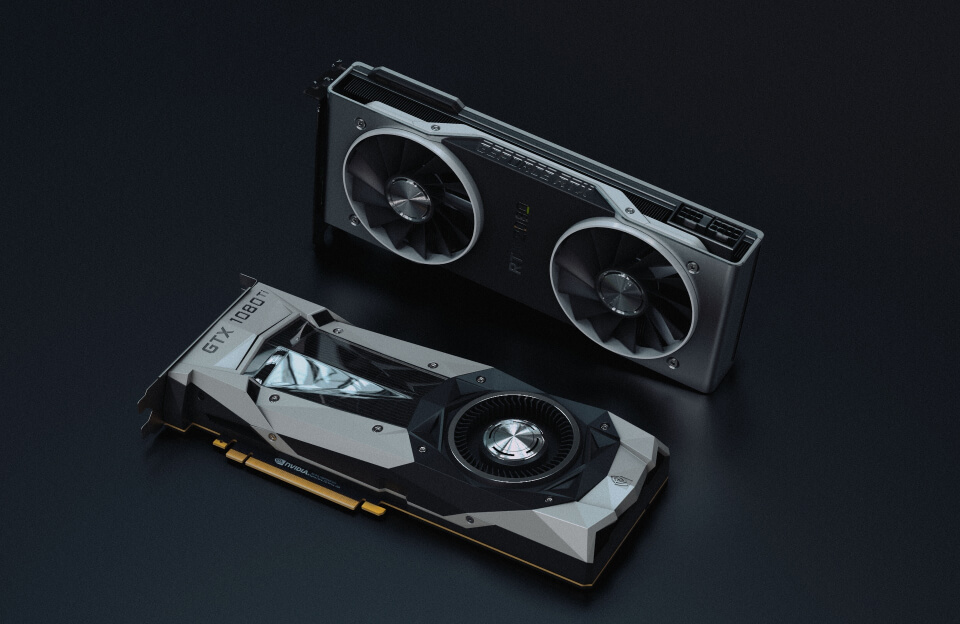
To take full advantage of DDR5 gains, pair it with a high‑end GPU. The NVIDIA RTX 3090, for example, showcases the power of combined CPU‑GPU acceleration when paired with a 5600 MHz DDR5 kit. Although less popular for budget gaming, the RTX 3090 and its successors (compare NVIDIA’s official page) illustrate how RAM performance interacts with graphics workload. For most gamers, an RTX 3060 Ti or an AMD Radeon RX 6700 XT combined with DDR5 will deliver smooth 1440p performance.
Future‑Proofing Your System
DDR5 isn’t immediately essential for everyone: many current games run fine on DDR4, and the price differential can be substantial. However, the memory landscape is rapidly shifting. By 2027 we expect the majority of new mainboards to adopt DDR5, and newer processors may drop DDR4 entirely. Early adopters position themselves ahead of the curve, gaining extra advantage as titles increasingly optimize for higher bandwidth and larger capacities.
Furthermore, if your GPU or CPU developer releases new updates that explicitly benefit from DDR5, you’ll retain performance parity longer without an overhaul. DDR5’s lower power draw also translates into longer battery life for laptops and cooler operation for desktops—a subtle advantage for extended sessions.
Conclusion and Action Plan
In short, upgrading to a DDR5 memory kit is a decisive move for any gaming build that seeks both immediate performance gains and long‑term relevance. By selecting a balanced speed/latency kit, ensuring motherboard compatibility, and aligning with a strong GPU, you’ll capture the full spectrum of DDR5 benefits.
Ready to level up? Visit a trusted retailer, verify that your motherboard’s BIOS supports DDR5, and pick a kit that fits your performance goals. The world of gaming is moving faster than ever—don’t lag behind. Upgrade your system today and unlock the future of play.