Upgrading a gaming PC on a tight budget can feel like a daunting task, but with the right strategy, you can breathe new life into your rig without breaking the bank. The key is to focus on the components that deliver the biggest performance gains for the lowest cost, and to make smart choices about timing and sourcing. In this guide, we’ll walk through a step‑by‑step plan that keeps your wallet happy while still giving you the gaming experience you crave.
Assess Your Current Build
Before you start shopping, take a close look at what you already have. Identify the bottlenecks that limit your gaming performance. A common mistake is to upgrade a component that isn’t the real limiter. For example, if you’re running a 2015‑era CPU but have a modern GPU, the processor may be choking the system. Use tools like GPU-Z or CPU-Z to gather detailed specs. Compare your hardware to the minimum requirements of the games you play most often. This assessment will help you decide where to allocate your limited funds.
Prioritize Performance Gains
Once you know which component is the biggest bottleneck, rank the potential upgrades by cost‑to‑performance ratio. A few high‑impact, low‑cost options include:
- Memory (RAM) – Adding or upgrading to faster, higher‑capacity RAM can reduce stutter and improve load times.
- Storage (SSD) – Switching from a mechanical hard drive to a SATA or NVMe SSD dramatically speeds up game launches and overall system responsiveness.
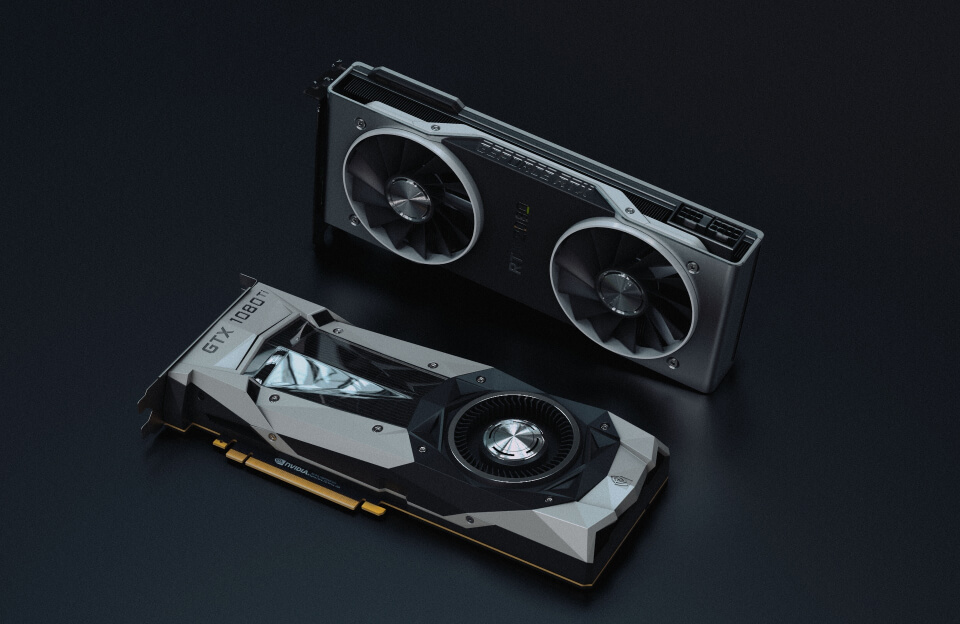
- Graphics Card (GPU) – If your GPU is the limiting factor, a mid‑range card can provide a noticeable jump in frame rates.
- CPU – Upgrading to a newer, more efficient processor can unlock higher frame rates in CPU‑bound titles.
Use online benchmarks and reviews to compare the performance of each option. Sites like TechRadar and Tom’s Hardware offer side‑by‑side comparisons that help you see the real-world impact of each upgrade.
Budget‑Friendly Component Choices
With your priorities set, it’s time to hunt for the best deals. Here are some proven tactics for getting the most bang for your buck:
- Shop During Sales Events – Major retailers and online marketplaces often run discounts during Black Friday, Cyber Monday, or back‑to‑school periods. Sign up for newsletters from Newegg and Amazon to receive alerts.
- Consider Refurbished or Open‑Box Items – Certified refurbished GPUs and CPUs can be 20–30% cheaper than new units, and they usually come with a warranty.
- Look for Bundle Deals – Some sellers offer bundles that include a motherboard, power supply, and case for a discounted price. These can save you money compared to buying each part separately.
- Use Price‑Tracking Tools – Websites like PriceWatch or browser extensions such as Honey can alert you when a component drops below your target price.
- Buy Used from Trusted Communities – Platforms like r/hardwareswap on Reddit allow you to trade or buy used parts from verified sellers. Always request recent photos and test results.
When selecting a GPU, consult the GPU Wikipedia page for technical specifications and performance benchmarks. For CPUs, the CPU Wikipedia page provides a solid reference. RAM and SSD options can be cross‑checked against the RAM Wikipedia page for compatibility and speed ratings.
Optimizing Software and Cooling
Hardware upgrades alone won’t guarantee a smooth gaming experience. Optimizing your software and ensuring adequate cooling can further squeeze performance out of your budget build.
- Update Drivers – Keep your GPU drivers current. NVIDIA’s GeForce page offers the latest drivers that often include performance tweaks.
- Adjust In‑Game Settings – Lowering texture quality, disabling V‑Sync, or turning off ray tracing can boost frame rates without a hardware upgrade.
- Clean Your System – Dust buildup can raise temperatures and throttle performance. A quick cleaning with compressed air can improve airflow.
- Consider a Better Power Supply – A reliable PSU with enough wattage ensures stable power delivery, especially when you add a new GPU.
- Use Software Utilities – Tools like GPU-Z and CPU-Z help monitor temperatures and clock speeds.
Cooling is often overlooked but can be inexpensive. Adding a few extra case fans or upgrading to a more efficient CPU cooler can keep temperatures low, allowing your components to run at higher clocks for longer periods.
Conclusion: Upgrade Gaming PC on a Tight Budget
Upgrading a gaming PC on a tight budget is entirely achievable when you focus on the right components, shop smart, and fine‑tune your system. By assessing your current build, prioritizing performance gains, hunting for budget‑friendly deals, and optimizing software and cooling, you can enjoy smoother gameplay and higher frame rates without a hefty price tag.
Ready to transform your gaming experience? Start by evaluating your current setup, then choose the upgrade that offers the best value. Visit reputable retailers, keep an eye on sales, and remember that a well‑balanced system often outperforms a single high‑end component. Happy gaming!
Frequently Asked Questions
Q1. What is the most cost‑effective component to upgrade first?
For most budget builds, the first upgrade that delivers the biggest bang for your buck is either RAM or storage. Adding 16 GB of DDR4 or DDR5 RAM can eliminate stutter in many titles, while moving from a mechanical HDD to a SATA or NVMe SSD dramatically speeds up load times and overall system responsiveness. If your GPU is already modern, a modest mid‑range card can also provide a noticeable jump in frame rates, but it’s usually more expensive per performance point than RAM or SSD upgrades.
Q2. How can I find the best deals on GPUs?
Timing is key: major sales events like Black Friday, Cyber Monday, and back‑to‑school periods often feature deep discounts on GPUs. Use price‑tracking tools such as Honey or PriceWatch to receive alerts when a card drops below your target price. Refurbished or open‑box units from certified sellers can also save 20–30 % and usually come with a warranty.
Q3. Should I upgrade my PSU when adding a new GPU?
Yes, if your current power supply is near its maximum capacity or below the recommended wattage for the new GPU, upgrading is essential. A reliable PSU with enough headroom ensures stable power delivery, reduces the risk of crashes, and protects your components over time. Aim for a unit that offers at least 20 % more wattage than the new GPU’s requirement.
Q4. Can software tweaks replace hardware upgrades?
Software optimizations can boost performance, especially in CPU‑bound titles. Lowering texture quality, disabling V‑Sync, or turning off ray tracing can raise frame rates without new hardware. However, for significant gains in modern games, a hardware upgrade—particularly a better GPU or CPU—is usually necessary.
Q5. How do I avoid bottlenecks when upgrading?
Start by assessing your current build with tools like GPU‑Z and CPU‑Z to identify the real bottleneck. Compare your specs against the minimum requirements of the games you play most often. Once you know which component limits performance, prioritize upgrades that offer the highest performance‑to‑cost ratio, and ensure the rest of the system (CPU, RAM, storage, PSU) can support the new component.