When you decide to upgrade a gaming PC, the excitement of higher frame rates and smoother gameplay can quickly be dampened by unexpected compatibility problems. Whether you’re swapping out an old graphics card, adding more memory, or moving to a new processor, each component must harmonize with the rest of the system. Understanding the ecosystem of your current build and planning each step methodically ensures you get the performance boost you crave without costly setbacks. In this guide we break down the essential checkpoints, highlight common pitfalls, and provide a practical checklist so you can confidently upgrade a gaming PC without breaking compatibility.
Upgrade a Gaming PC – Assess Compatibility First
Before you purchase any new piece of hardware, take inventory of the existing components. Identify the motherboard model, its chipset, and the socket type for the CPU. This information can usually be found in the system’s manual or by using a tool like CPU-Z. Knowing the exact specifications lets you verify whether a new CPU or GPU will physically fit and electrically connect. For example, an AMD Ryzen processor requires an AM4 socket, while Intel’s 12th‑generation chips use LGA1700. Mismatched sockets are a common source of frustration.
In addition to the socket, check the power delivery specifications. Modern GPUs demand more power than older versions, and your power supply unit (PSU) must have sufficient wattage and the correct connectors. The Power Supply Unit Wikipedia page provides detailed tables for typical power requirements, helping you decide if an upgrade is possible or if a PSU swap is needed.
Upgrade a Gaming PC – Choose a Motherboard with Future‑Proof Features
If you discover that your current motherboard will not support a desired CPU or newer RAM standards, consider replacing it. When selecting a new board, prioritize a chipset that supports the latest PCIe generation, sufficient M.2 slots for NVMe SSDs, and enough DIMM slots for RAM expansion. The Intel PCIe technology page outlines the performance differences between PCIe 3.0 and 4.0, which can influence GPU and storage choices.
Take note of BIOS compatibility as well. Some motherboards require a BIOS update before they can recognize newer CPUs. Manufacturers often provide update utilities on their support pages, and many recent boards feature a “Flashback” mode that allows BIOS updates without a CPU installed.
Upgrade a Gaming PC – GPU Upgrade Strategies
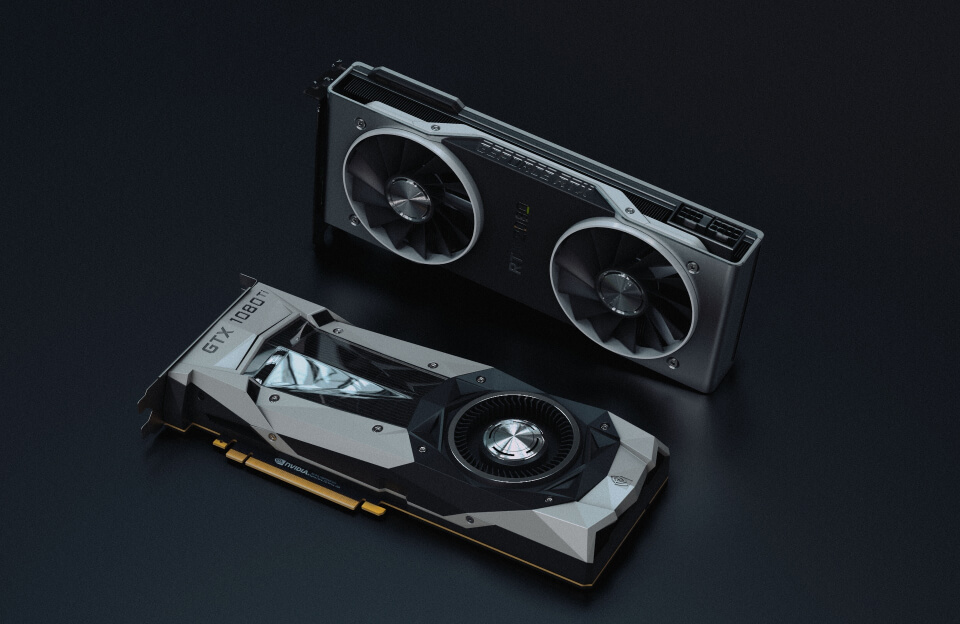
The graphics processing unit (GPU) is usually the most impactful component for gaming performance. When selecting a new GPU, verify the following:
- Physical dimensions: ensure the card fits inside your case and clears other components.
- Power connectors: most mid‑range and high‑end cards require 8‑pin or 6‑pin PCIe power cables.
- PCIe slot version: while PCIe 4.0 offers higher bandwidth, a PCIe 3.0 slot remains compatible with most modern GPUs, albeit with a slight performance penalty.
Compatibility with the CPU is also crucial. Pairing a top‑tier GPU with a low‑end processor can create a bottleneck, limiting frame rates. Tools like Tom’s Hardware GPU benchmarks can help you match GPU performance to your existing CPU for a balanced build.
Upgrade a Gaming PC – Memory and Storage Considerations
Modern games benefit from faster RAM and larger storage pools. When adding or replacing RAM, confirm the supported speed (e.g., DDR4‑3200) and the maximum capacity per module. The DDR4 SDRAM Wikipedia article offers a comprehensive overview of speed tiers and timings.
For storage, upgrading to an NVMe SSD can dramatically reduce load times. Ensure your motherboard has an M.2 slot that supports NVMe (PCIe) rather than just SATA. If space is limited, consider a 2.5‑inch SATA SSD as a fallback, which remains compatible with virtually all modern PCs.
Upgrade a Gaming PC – Final Checklist Before Installation
- Document current hardware specifications (model numbers, BIOS version, PSU wattage).
- Cross‑reference each new component with the motherboard’s compatibility list.
- Update BIOS to the latest version if required.
- Verify the case has adequate clearance and airflow for new components.
- Ensure the PSU has the necessary connectors and sufficient headroom (generally 20% above total draw).
- Backup important data and create a system restore point.
Completing this checklist reduces the risk of incompatibility surprises and sets the stage for a smooth upgrade experience.
Upgrade a Gaming PC – Conclusion and Next Steps
Upgrading a gaming PC doesn’t have to be a gamble. By systematically assessing compatibility, selecting a future‑proof motherboard, matching your GPU to the CPU, and verifying RAM and storage standards, you can achieve a substantial PC performance boost without the headache of mismatched parts. Ready to take your rig to the next level? Download our free Upgrade Compatibility Workbook and start planning today.
Take action now: click the link below to access the workbook and join our community of informed builders.
National Institute of Standards and Technology provides reliability guidelines that can further inform your upgrade decisions.
Frequently Asked Questions
Q1. How do I check if my new CPU will fit my current motherboard?
First, identify the socket type of your motherboard (e.g., AM4, LGA1700) using the manual or a tool like CPU‑Z. Then compare it with the socket required by the new processor. If they match, also verify that the chipset supports the CPU generation, and update the BIOS if needed.
Q2. What should I look for when selecting a future‑proof motherboard?
Choose a board with the latest chipset, PCIe 4.0 or 5.0 support, multiple M.2 slots, and enough DIMM slots for RAM upgrades. Ensure it has a reliable VRM design for stable power delivery and consider BIOS Flashback features for easier updates.
Q3. How can I determine the power supply requirements for a new GPU?
Check the GPU’s official specifications for recommended wattage and required PCIe power connectors (6‑pin, 8‑pin, or both). Add the power draw of your other components and aim for a PSU that provides at least 20 % headroom above the total. Using an online PSU calculator can give a quick estimate.
Q4. Will adding faster RAM always improve my gaming performance?
Faster RAM can boost frame rates, especially on systems that are CPU‑bound or use integrated graphics, but the improvement varies by game and CPU architecture. Make sure the motherboard supports the selected speed (e.g., DDR4‑3200) and that you stay within the maximum capacity per slot. Pairing the RAM with a compatible CPU is essential to see noticeable gains.
Q5. What steps should I take before physically installing new components?
Back up important data and create a system restore point. Disconnect power, ground yourself to avoid static discharge, and verify clearances inside the case. Finally, double‑check all cable connections and update the BIOS before booting.