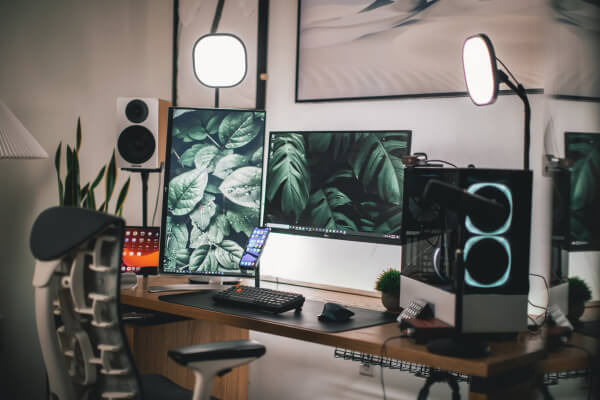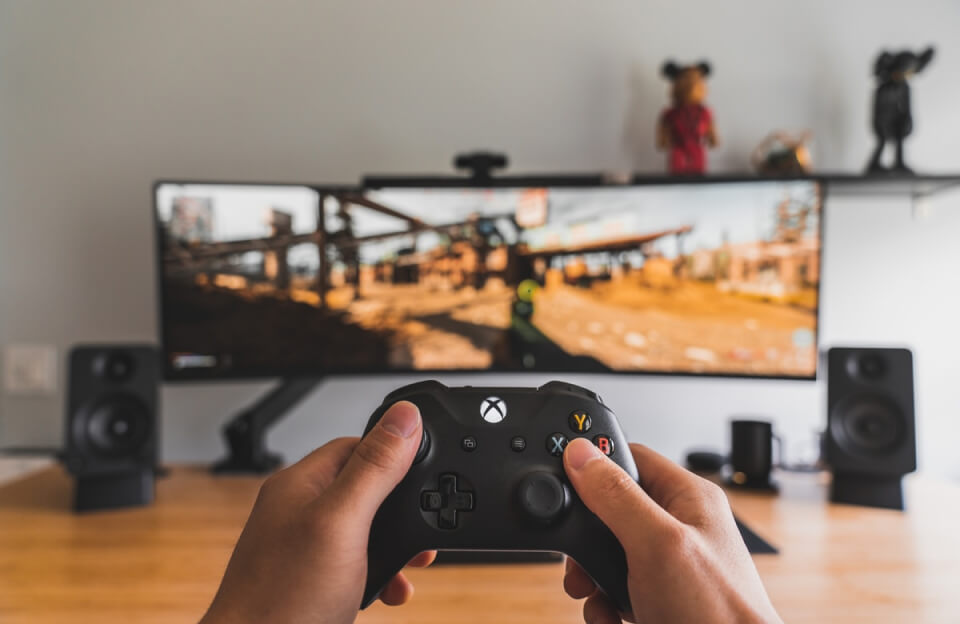
When it comes to building the perfect gaming environment, the desk is often the unsung hero. A well‑planned gaming desk setup can elevate gameplay, reduce fatigue, and keep you focused for hours on end. Whether you’re a competitive esports player, a stream‑on‑premise hobbyist, or just an avid gamer, creating a functional and ergonomic workspace is essential. In this guide we’ll walk through every detail—starting from the basics of ergonomics to the smartest cable management solutions.
Define Your Space: Desk Size and Shape Matters
Choosing the right desk size is the first crucial step. A generic “gaming desk” can range from narrow, single‑monitor stands to expansive, dual‑monitor towers. The desk you pick should accommodate monitors, peripheral devices, a keyboard, mouse, and any additional equipment such as a video capture card or sound card. The ergonomics principle of 90‑degree wrists—meaning your forearms are level with the desk—reduces strain during prolonged sessions.
Monitor Placement: The Gateway to Immersive Gameplay
Positioning your monitor(s) at eye level yields the best experience. For single‑monitor desks, keep the screen directly in front of you and about 20–30 inches away. For dual‑monitor setups, angle them at a slight 15‑20 degree inward tilt and place the primary monitor slightly closer. This reduces neck strain while allowing both screens to be easily readable.
Ergonomic Support: Chair, Surface, and Accessories
Even the most brilliant desk can feel uncomfortable without the right support items. A high‑back, lumbar‑support chair amortizes the load on your lower spine. If you frequently switch games, consider a fan of the “*gaming chair elite” trend—just make sure the chair’s height is adjustable. For surface comfort, a cushioned wrist rest helps maintain neutral wrist angles when typing or playing fast‑paced shooters.
10‑Minute Checklist Before Setup
- Measure your room to confirm the desk will fit comfortably.
- Confirm the desk’s width supports your monitor arrangement.
- Check if the desk has built‑in cable ports or a power strip.
- Verify that the chair’s height can align with the desk top.
- Arrange a test run with your basic peripherals (mouse, keyboard).
Cable Management: Hidden Chaos No More
Messy cables are more than an aesthetic issue; they can lead to overheating and damaged plugs. Use a combination of cable ties, a dedicated desk grommet, or a gaming desk with integrated cable routing to keep everything tidy. Labeling each cable at both ends can save hours of frustration later.
Expand with Accessories: RGB, Cooling, and Sound
Once the fundamentals are in place, accessorising can turn a functional space into a personal sanctuary. RGB backlighting on your desk or from LED strips behind the monitors can enhance immersion. If you’re chasing higher refresh rates, consider a gaming‑centric motherboard that supports high‑bandwidth displays.
Maintenance and Upgrades: Adapting Over Time
Game rigs evolve, and so should your workspace. Every 6–12 months, inspect your desk for signs of wear, especially if you frequently drag heavy items. Retrofit the desk with a rotating arm for the microphone or a detachable sub‑unit for the headset boom. Finally, stay mindful of the ergonomic safety guidelines; small changes in posture can ward off chronic issues.
Conclusion: Craft Your Best Gaming Desk Setup Today
Now you’re equipped to design a desk that supports your game, keeps your body healthy, and sparks creativity. Don’t let an unorganized workspace hold you back. Whether you’re upgrading hardware or simply choose the perfect desk shape, invest in the fundamentals and let the extra followers come from your gameplay.”
Frequently Asked Questions
Q1. How do I choose the right desk size for my gaming setup?
Start by measuring your room to ensure the desk fits comfortably. Consider how many monitors, peripherals, and accessories you’ll have—larger setups benefit from broader surfaces. A desk that’s too small can crowd your workspace, while an overly large one may feel clunky. Test a prototype layout with your primary gear before committing to a final choice.
Q2. What’s the ideal monitor placement for a dual‑monitor gaming desk?
Position the primary monitor directly ahead at eye level, about 20–30 inches away, and tilt it slightly inward. Your secondary monitor should be angled 15–20 degrees towards the primary, placed a bit further back. This arrangement reduces neck strain and keeps both screens easily readable during gameplay.
Q3. Which ergonomic chair features are essential for long gaming sessions?
A high‑back chair with adjustable lumbar support keeps the lower spine neutral. Look for armrests, an adjustable seat height, and breathable fabric to prevent heat buildup. Adding a wrist rest can also help maintain neutral wrist angles while typing or shooting.
Q4. How do I keep my gaming desk cables organized?
Use cable ties and a desk grommet or integrated cable routing to bundle cords neatly. Label each cable at both ends for quick identification. If possible, opt for a desk that already features built‑in cable management ports.
Q5. How often should I perform maintenance on my gaming desk?
Inspect your desk for wear every 6–12 months, especially if you frequently move heavy equipment. Replace worn feet or lock fittings promptly. Keeping the surface dust‑free and tightening screws can prolong the desk’s lifespan.