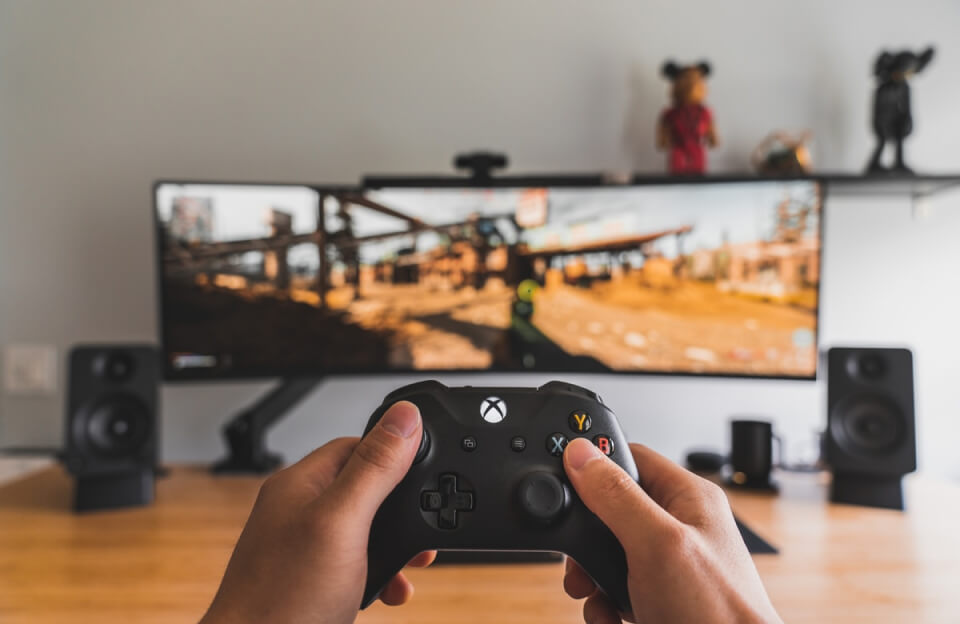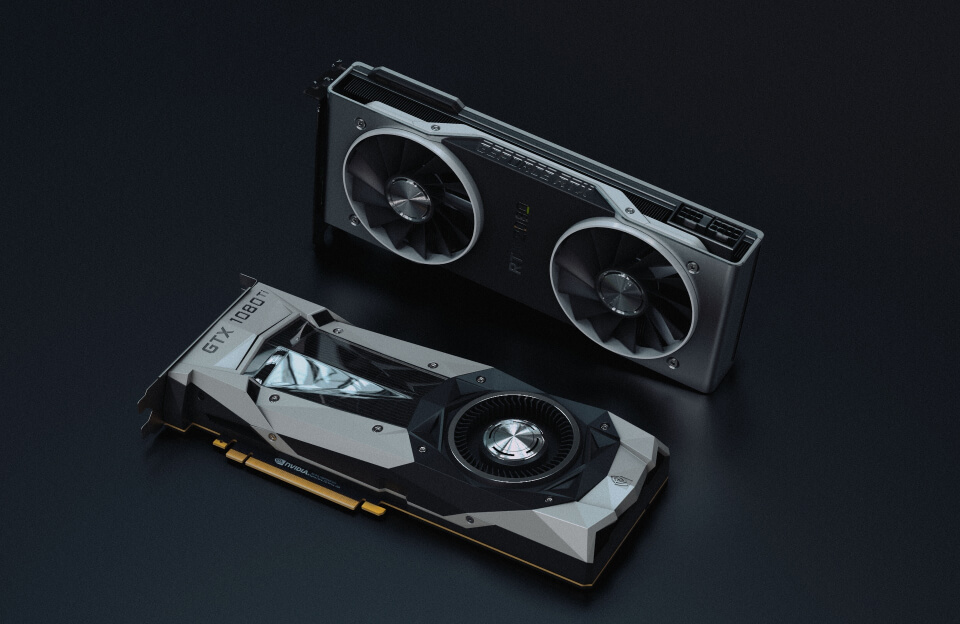
Gaming enthusiasts and competitive players alike understand that the visual fidelity and smoothness of an experience largely rest on the fine-tuning of the graphics processing unit (GPU). By mastering various GPU settings, you can unlock higher frame rates (FPS), reduce artifacts, improve loading times, and maintain comfortable temperatures without compromising the entrance into your favourite titles. This guide lays out proven adjustments—grouped into calibration, power and driver cues, overclocking, and game‑specific tweaks—that transform your rig into a high‑performance machine.
1. Calibration: Setting the Stage with Display & Resolution
Before making any performance tweaks, confirm that your monitor’s native resolution and refresh rate align with the GPU’s capabilities. Modern displays often support 4K, 144 Hz, or higher, each demanding different bandwidth and configuration profiles.
- Adjust Refresh Rate: In the operating system settings, set “Refresh rate” to the highest supported value (e.g., 240 Hz for high‑end gaming monitors). This ensures the GPU doesn’t waste cycles on lower rates.
- Select Native Resolution: For clarity, use the physical pixel count of the monitor (e.g., 1920 × 1080). Avoid scaling when gaming; let the GPU render at full resolution.
- Disable Adaptive Sync Unnecessary Settings: Turn off AMD FreeSync or NVIDIA G-Sync if the monitor doesn’t support it, or if you prefer a lock‑step experience to sidestep micro‑stutter in some titles.
- Color Profile Calibration: Most displays carry a preset. Choose one that matches your playstyle—“Gaming” or “High Performance”—to keep GPU load predictable.
Why Calibration Matters
Setting the correct resolution and refresh rate provides a baseline; it tells the GPU exactly how many pixels to process per second. An over‑oriented monitor can push the GPU beyond its limits, causing frame drops or overheating. Calibrated hardware also reduces the chance of tearing or stutter when VSync is toggled.
2. Power Management: Adjusting GPU P-States for Heat and Efficiency
Graphics cards support multiple power states (P‑states). Each state balances performance against energy consumption and heat. By selecting the optimal P‑state, you can keep temperatures in check while guaranteeing consistent FPS.
- NVIDIA Control Panel & AMD Radeon Settings: Open the dedicated panel from your GPU vendor and locate the “Power Management Mode.” For gaming, set to Preferred (Max Performance) (NVIDIA) or Maximum Performance (AMD). NVIDIA Drivers
- Thermal Throttling Prevention: Monitor the GPU temperature using tools like AMD Radeon Software or GeForce Experience to ensure it stays below the 80 °C threshold for most consumer GPUs.
- Fan Curve Customization: Increase fan speed peaks to spread the load, but in quiet mode—if you’re playing in a dark room—gradually ramp fans only when temperatures exceed 70 °C.
- Dynamic Voltage: Enable the GPU’s auto‑volt tuning if available. This allows the card to lower voltage during less intensive scenes, cutting power draw without noticeable FPS lag.
Result: By locking the GPU into a full‑power status while monitoring heat, you remove the risk of a dip in performance during memory‑intensive gaming sequences.
3. Driver Tweaks: Unlocking New Features and Bypassing Rendering Overheads
Modern GPU drivers are constantly updated, embedding new optimizations, bug fixes, and new render‑tech features such as DLSS, Ray Tracing, and Multi‑Instance Render. Staying current yields instant performance gains.
- Keep Drivers Current: Check for the latest updates at NVIDIA Drivers or the AMD download portal.
- Enable DLSS or FSR: In titles that support DLSS (NVIDIA) or FSR (AMD), enable the “Ultra Quality” or “Balanced” mode to upscale with minimal loss.
- Ray Tracing Settings: If your GPU supports it, toggle “Ray Tracing” to “Off” during high‑fps sessions, unless you’re watching a cinematic.
- VSync Options: Use the “Adaptive” setting in place of “Standard” to reduce input lag while still preventing extreme tearing.
- Game Driver Overrides: Within the NVIDIA Control Panel, right‑click on the executable and choose “Adjust Image Settings with Rendering (Advanced).” Turn Texture Filtering (Quality) from “High Quality” to “Performance” for a noticeable FPS bump.
Verifying Driver Impact
Run in‑game benchmarks or a third‑party tool (e.g., 3DMark Time Spy) before and after each tweak to gauge concrete FPS improvements. A 5 % jump can translate to smoother gameplay in tournaments or for streaming purposes.
4. Overclocking & Cooling: Balancing Thermal Limits
Once base settings have been calibrated, consumers with a room for thermal headroom can push the GPU as needed. Overclocking increases core or memory clocks, but also forces more thermal output. Follow a structured approach to stay safe.
- Baseline Test: Run a stress test (e.g., Unigine Heaven) to record peak temperature, base frames, and current clocks.
- Incremental Clock Steps: Increase the core clock by 25–50 MHz, then test for stability (watch for artifacts like dielectric breakdown or shader errors). If stable, repeat; if not, roll back.
- Memory Overclock: Since memory bandwidth often limits high‑resolution play, bump memory by 50 MHz up to 200 MHz, testing similarly.
- Voltage Adjustments: Only boost voltage if you see crashes or if you are operating near the thermal limits. Most gamers avoid this step to maintain longevity.
- Cooling Solutions: Upgrade using a higher‑quality aftermarket cooling loop or a reliable dual‑fan system; monitor temperatures during gameplay.
**Safety Note:** Always keep the GPU stock under 80 °C during sustained frames, and use a high‑quality thermal paste or GPU cooler rated for overclocking. Overheating can permanently reduce GPU lifespan.
5. Game‑Specific Optimization: Getting the Most Out of Each Title
Even the best‑set settings can underperform if the game itself has suboptimal rendering options. Use in‑game settings menus or external config files to dial in the highest quality within your GPU’s sweet spot.
- Texture Quality: Set Textures to “High” if your VRAM allows; 8 GB cards may be able to hold Ultra in many titles, whereas 4 GB cards need “Medium” or “Low” to avoid stuttering.
- Shadow Detail: Shadow resolution has a disproportionate impact on VRAM; lowering it from “Ultra” to “High” often yields large FPS gains.
- Anti‑Aliasing: Switch from 4‑x MSAA to TAA or FSAI (if available); they provide smoother edges while saving GPU cycles.
- Framerate Caps: If the game offers a lock mode, cap it to your monitor’s refresh rate (e.g., 144 Hz). This removes the jitter of constantly over‑ving.
- API Overrides: Some games benefit from using the DirectX 12 version instead of “Legacy.” Check the game’s update notes or forums from the university guide to graphics API choices.
Conclusion: Get the Edge, Stay the Competition—Time to Optimize
By following the systematic steps—calibration, power management, driver updates, responsible overclocking, and game‑specific tweaks—you transform your GPU into a finely tuned powerhouse. These adjustments produce measurable gains: higher FPS, steadier frame delivery, and cooler operation. If you’re ready to push your gaming experience to its limits, it’s time to tweak those settings now—test one tweak at a time, monitor your results, and enjoy the smoother, sharper, faster gameplay you deserve.
Start optimizing today and bring your play to a level that matches your skill. If you need expert assistance, consider a professional tuning service or the many community guides available on EA Games forums, or share your results on Discord and Reddit’s r/hardware for peer feedback. Next level play is just a click away—get it going now.