When you sit down for a high‑stakes esports match, every millisecond counts. An optimized gaming PC can mean the difference between a flawless victory and a costly defeat. This guide walks you through the essential steps to optimize your gaming PC for esports, from hardware selection to network tweaks, ensuring you extract the maximum FPS performance, low latency, and stability from your rig.
Choose the Right Hardware
Even the most meticulous software tweaks cannot compensate for a bottlenecking component. For competitive titles such as Valorant, CS:GO, or League of Legends, prioritize the following:
- CPU: A modern quad‑core or better processor (e.g., Intel Core i5‑12600K or AMD Ryzen 5 7600X) offers the single‑thread performance essential for low‑latency gameplay.
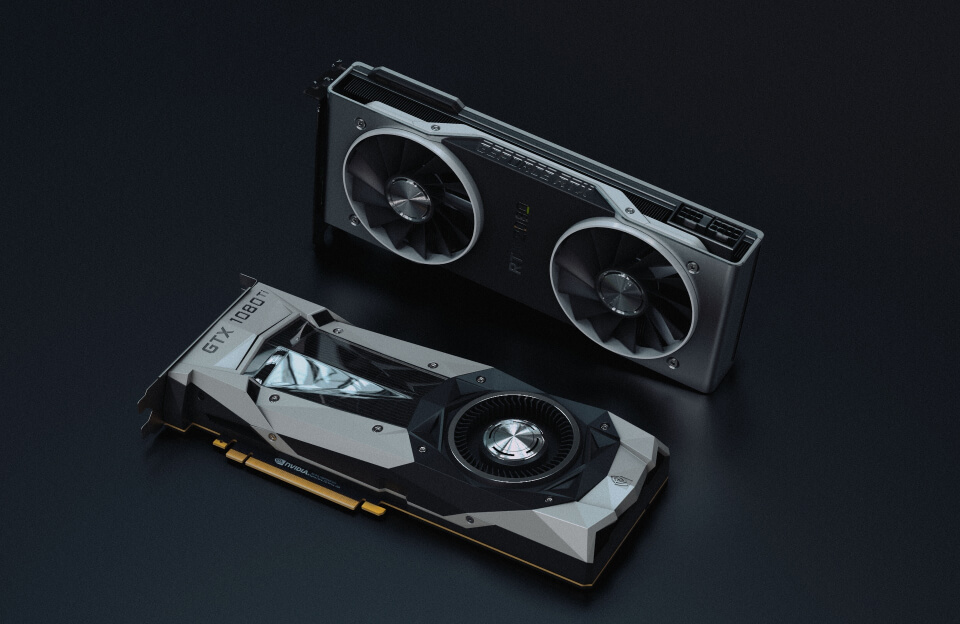
- GPU: While esports titles rarely demand ultra‑high graphics, a capable graphics card (e.g., NVIDIA GeForce RTX 3060 Ti) ensures you can lock frame rates well above 144 Hz.
- RAM: 16 GB of DDR4/DDR5 at 3200 MHz or higher eliminates memory stalls.
- Storage: An NVMe SSD reduces load times to under a second, keeping you in the action.
- Monitor: A 144 Hz or 240 Hz panel with a 1 ms response time gives you the visual edge.
For deeper technical insight, see the Esports Wikipedia page which outlines typical hardware requirements for competitive gaming.
Fine‑Tune Your Software Settings
Once your hardware is locked in, the operating system and in‑game settings become the next frontier. Follow these proven steps:
- Update Drivers: Download the latest GPU drivers from NVIDIA Performance Optimization Tips or the AMD equivalent.
- Windows Power Plan: Switch to the “High Performance” profile to prevent CPU throttling.
- Disable Background Apps: Turn off unnecessary startup programs via Task Manager.
- Game‑Specific Settings: Lower shadow quality, turn off anti‑aliasing, and cap the frame rate at your monitor’s refresh rate.
- Overclocking: If you are comfortable, modest CPU/GPU overclocking can shave a few extra frames. Intel’s official guide can be found here.
These adjustments collectively reduce input lag and improve overall FPS consistency.
Manage Temperature and Noise
High temperatures trigger thermal throttling, which instantly drops performance. Effective cooling maintains a stable clock speed and keeps the environment quiet for better concentration.
- Case Airflow: Position intake fans at the front and exhaust fans at the rear/top to create a front‑to‑back pressure gradient.
- CPU Cooler: Choose a reputable air cooler (e.g., Noctua NH‑D15) or a 240 mm AIO liquid cooler for the best balance of cooling and noise.
- GPU Fan Curves: Use software like MSI Afterburner to create a more aggressive fan profile after 65 °C.
- Thermal Paste: Reapply high‑quality paste (such as Arctic MX‑4) during major upgrades.
For a comprehensive overview of PC cooling best practices, consult PCWorld’s cooling guide.
Network Optimization for Low Latency
Even the most powerful rig is useless if your packets take too long to reach the game server. Follow these networking tips to keep your ping under control:
- Wired Connection: Use a Cat6 Ethernet cable; it offers consistent latency superior to Wi‑Fi.
- QoS Settings: Enable Quality of Service on your router to prioritize gaming traffic.
- DNS Selection: Switch to a fast public DNS like Cloudflare (1.1.1.1) for quicker name resolution.
- Server Proximity: Choose game servers closest to your physical location whenever possible.
- Reduce Network Jitter: Close bandwidth‑heavy applications (e.g., streaming services) while gaming.
Further reading on how to improve internet performance for gaming can be found here.
Regular Maintenance and Benchmarking
Optimization is not a one‑time event. Consistent upkeep guarantees your esports‑grade PC stays at peak performance.
- Dust Removal: Clean the interior with compressed air every 3‑4 months.
- Software Audits: Run Windows Update weekly and audit installed programs.
- Benchmark Tools: Use FRAPS, MSI Afterburner, or 3DMark to track frame‑rate trends after each change.
- Backup Configurations: Export your driver settings and overclock profiles so you can restore them quickly after a system reset.
By creating a maintenance schedule, you’ll detect performance drifts before they impact competitive play.
Conclusion
Optimizing a gaming PC for esports is a blend of high‑quality hardware, precise software tweaks, disciplined cooling, and rock‑solid networking. Implement the steps outlined above, and you’ll consistently achieve the low latency, high frame‑rate environment essential for professional‑level play. Ready to dominate the leaderboards? Start optimizing today and experience the competitive edge you’ve been waiting for. For more expert guides, subscribe to our newsletter and stay ahead of the meta.
Frequently Asked Questions
Q1. What hardware upgrades give the biggest FPS boost in esports titles?
Upgrading to a modern quad‑core CPU with strong single‑thread performance, such as the Intel i5‑12600K or AMD Ryzen 5 7600X, provides the most noticeable improvement. A mid‑range GPU like the RTX 3060 Ti ensures you can sustain high frame rates above your monitor’s refresh rate. Adding 16 GB of fast DDR5 RAM and an NVMe SSD also helps eliminate bottlenecks and reduce load times.
Q2. How can I lower input lag without overclocking?
Set your Windows power plan to “High Performance” and disable unnecessary background processes. In‑game, cap the frame rate to match your monitor’s refresh rate and turn off graphics features such as shadows and anti‑aliasing. Use a wired Ethernet connection and enable QoS on your router to prioritize gaming packets.
Q3. Is liquid cooling worth the cost for competitive gaming?
Liquid cooling can keep CPU temperatures lower under sustained load, preventing thermal throttling during long sessions. It also tends to run quieter than high‑speed air coolers, which can improve focus. However, a high‑quality air cooler from Noctua or be quiet can provide similar performance for most esports titles at a lower price.
Q4. What network settings should I adjust for the lowest ping?
Use a Cat6 (or higher) Ethernet cable and connect directly to your modem or router. Change your DNS to a fast public provider like Cloudflare (1.1.1.1). Enable Quality of Service (QoS) to prioritize UDP traffic for games, and close any bandwidth‑heavy applications while you play.
Q5. How often should I clean and maintain my esports‑grade PC?
Dust buildup should be cleared every 3–4 months with compressed air to maintain airflow. Check fan curves and temperatures after each cleaning, and verify that drivers and Windows updates are current weekly. Regularly benchmark with tools such as MSI Afterburner to catch any performance regression early.