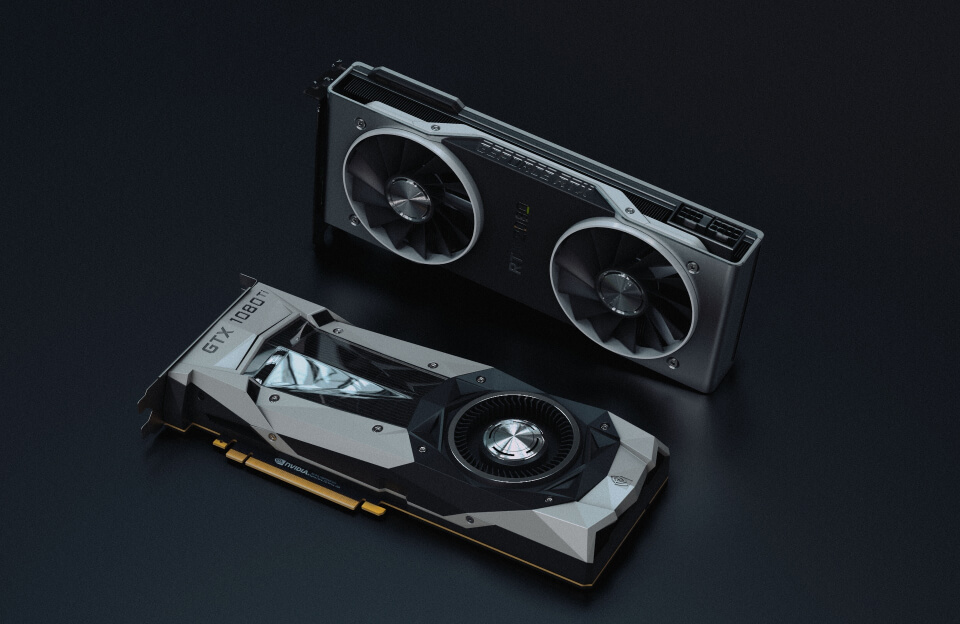
Whether you are troubleshooting a performance issue, upgrading components, or simply satisfying curiosity, knowing how to check your PC specs is essential. Across Windows, macOS, and Linux, each operating system offers built‑in utilities and command‑line tools that provide detailed hardware information without the need for third‑party software. This guide walks you through step‑by‑step methods for each platform, highlights useful secondary tools, and explains why accurate system data matters for both casual users and IT professionals.
Checking Specs on Windows
Windows supplies several native ways to view system specifications. The most user‑friendly option is the Settings app: open Start → Settings → System → About. Here you will see the processor, installed RAM, device ID, and Windows version. For a more comprehensive view, the classic System Information tool (msinfo32) lists motherboard details, BIOS version, and driver statuses. Launch it by typing msinfo32 into the Run dialog (Win + R).
Power users often rely on the DirectX Diagnostic Tool (dxdiag), which provides GPU, sound, and display driver information. Run dxdiag from the same dialog, then navigate to the Display tab for graphics specs. These methods are documented by Microsoft on their support site, ensuring the steps stay current with each Windows release. For reference, see Microsoft’s guide to finding PC specs.
Viewing Hardware Details on macOS
Apple’s macOS also includes built‑in utilities that reveal hardware data. The quickest route is the Apple menu → About This Mac. This window displays the macOS version, processor, memory, and graphics card. Clicking the System Report button opens the System Information app, where you can drill down into every component—from the Thunderbolt controller to network interfaces.
For users comfortable with the terminal, the system_profiler command can generate a detailed report. For example, system_profiler SPHardwareDataType outputs CPU and memory specifics, while system_profiler SPDisplaysDataType focuses on GPU details. Apple provides official documentation on these topics; see Apple’s About This Mac support page for a full overview.
Linux Commands for System Information
Linux distributions typically rely on command‑line utilities to query hardware. The lscpu command reports CPU architecture, cores, threads, and cache sizes, making it a quick way to assess processing power. For memory details, free -h shows total and available RAM in a human‑readable format. The lspci utility lists all PCI devices, including graphics cards and network adapters, while lsusb does the same for USB peripherals.
To gather a full snapshot, many administrators use inxi -Fxz (if installed) or combine dmidecode with lshw. The Linux Manual provides exhaustive descriptions of these tools; see the lscpu man page for deeper insight.
Common Tools Across All Platforms
While each OS has native utilities, third‑party applications can unify the experience. Tools such as CPU‑Z (Windows), iStat Menus (macOS), and HardInfo (Linux) present data in graphical dashboards. However, native methods remain the most reliable because they do not depend on external software updates.
- System Information (Windows) – Detailed hardware, driver, and system resources.
- About This Mac (macOS) – Quick overview with a link to full reports.
- lscpu / lshw (Linux) – Command‑line depth for server environments.
Why Knowing Your PC Specs Matters
Accurate system specifications are crucial for several reasons. First, they guide software compatibility decisions; for example, some games or professional applications require a minimum GPU model or a certain amount of RAM. Second, troubleshooting performance bottlenecks often starts with verifying CPU usage, memory availability, and storage health. Third, when planning upgrades—like adding SSD storage or a new graphics card—knowing the current configuration prevents purchasing incompatible hardware.
From an IT perspective, inventory management relies on consistent spec data to ensure security patches apply to the correct hardware and to forecast end‑of‑life cycles. Organizations also use spec reports to comply with regulatory standards, such as those described in Wikipedia’s overview of system information, which emphasizes the role of accurate hardware documentation in cybersecurity frameworks.
Conclusion
By mastering the built‑in tools on Windows, macOS, and Linux, you can quickly and accurately check your PC specs without relying on third‑party software. This knowledge empowers you to make informed decisions about upgrades, troubleshoot issues efficiently, and maintain a well‑documented hardware inventory. Ready to put this expertise to work? Explore your system today and share your findings with our community—your next upgrade is just a few clicks away!
Frequently Asked Questions
Q1. How can I view basic PC specs in Windows without third‑party tools?
Open Settings → System → About to see the processor, installed RAM, and Windows version. For more detailed information, press Win + R, type msinfo32, and press Enter to launch System Information, which lists motherboard, BIOS, and driver data. These native utilities are always aligned with the latest Windows updates.
Q2. Where do I find detailed hardware information on macOS?
Click the Apple menu and select About This Mac to get a quick overview of the CPU, memory, and graphics. Press the System Report button for a comprehensive breakdown of every component, including Thunderbolt, network, and storage. You can also run system_profiler in Terminal for command‑line reports.
Q3. Which command provides a full hardware snapshot on Linux?
The inxi -Fxz command (when installed) aggregates CPU, memory, GPU, and disk details into a readable summary. If inxi isn’t available, combining lshw with dmidecode offers similar depth. These tools are standard in most distributions and require no additional software.
Q4. Why is it important to know my PC specs before upgrading?
Understanding current specifications ensures compatibility with new components like SSDs, RAM, or graphics cards, preventing costly mismatches. It also helps determine whether software requirements are met and guides troubleshooting of performance bottlenecks. Accurate spec data is essential for planning future upgrades and budgeting.
Q5. Can I use a single tool to check specs across Windows, macOS, and Linux?
Third‑party utilities such as CPU‑Z, iStat Menus, or HardInfo offer cross‑platform dashboards, but native tools are more reliable and always up to date. If you prefer a unified experience, consider using web‑based services that read system data via the browser, though they may have limitations. Ultimately, the built‑in utilities provide the most accurate and secure information.