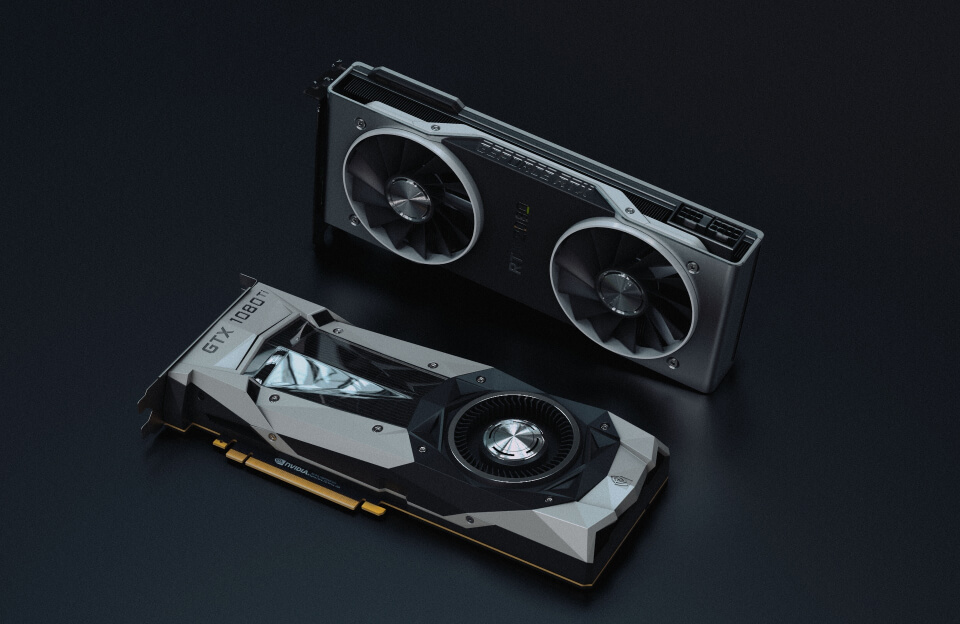
Choosing a graphics card in 2026 is more complex than ever. With the rise of AI‑enhanced rendering, real‑time ray tracing, and ever‑increasing VRAM demands, the GPU Buying Guide 2026 must balance raw performance, power efficiency, and future‑proofing. Whether you are an esports enthusiast, a creative professional, or a casual gamer, understanding the key specifications and market trends will help you avoid overspending and ensure your system remains competitive for years to come. This guide walks through the most critical factors, from benchmark methodology to budgeting, and provides actionable advice supported by authoritative sources such as Wikipedia’s GPU overview and industry reports from Nvidia. Let’s dive into the essential considerations that define a smart GPU purchase in 2026.
Performance Metrics for a GPU Buying Guide 2026
Performance remains the cornerstone of any GPU Buying Guide 2026. Modern GPUs are evaluated on several benchmarks: rasterization FPS, ray tracing throughput, and AI inference speed. Synthetic tests like 3DMark provide consistent baseline scores, while real‑world gaming benchmarks (e.g., Cyberpunk 2077 at 4K Ultra) reveal how the card handles demanding titles. Pay attention to the GPU clock speed and CUDA core count (or their AMD equivalents) as they directly influence raster performance. Additionally, check the Tensor core capabilities for AI‑driven features such as DLSS 3.0, which can dramatically boost frame rates without sacrificing visual fidelity. When comparing cards, look for a balanced ratio between raster performance and ray tracing throughput to ensure stable gameplay across diverse workloads.
Choosing the Right VRAM in a GPU Buying Guide 2026
VRAM capacity has become a decisive factor, especially as games and professional applications adopt larger texture packs and higher resolution assets. In a GPU Buying Guide 2026, the rule of thumb is to match VRAM to your target resolution and workload: 8 GB for 1080p gaming, 12‑16 GB for 1440p, and 24 GB or more for 4K and VR environments. Creative professionals working with 8K video or large neural networks may need 32 GB of GDDR6X or HBM2e memory. It’s also important to consider memory bandwidth; a higher bandwidth mitigates bottlenecks when the GPU accesses large datasets. Look for specifications such as “600 GB/s memory bandwidth” as an indicator of efficient data handling. Finally, verify that the card supports the latest memory compression technologies, which can reduce effective VRAM usage.
Balancing Ray Tracing and Power Efficiency in a GPU Buying Guide 2026
Ray tracing delivers realistic lighting but can be power‑hungry. The GPU Buying Guide 2026 should therefore evaluate the performance per watt metric. Nvidia’s RTX 6000 series and AMD’s Radeon RX 8000 series each claim significant improvements in ray tracing efficiency, largely thanks to dedicated RT cores and refined architectural pipelines. For users concerned about electricity costs or thermals, compare the TDP ratings alongside benchmarked ray‑tracing FPS at 1440p and 4K. Cards that offer a high ray tracing performance at lower wattage are ideal for compact builds or eco‑focused gamers. Remember to also assess the quality of the driver ecosystem, as up‑to‑date drivers can optimize power consumption dynamically.
Budget vs Premium Options in a GPU Buying Guide 2026
Budget constraints are a reality for many buyers, yet the market still offers compelling mids‑range options that punch above their weight. Below is a concise comparison of popular tier choices for 2026:
- Entry‑Level (8‑10 GB VRAM): Ideal for 1080p esports titles; examples include the Nvidia RTX 4060 and AMD Radeon RX 7600.
- Mid‑Range (12‑16 GB VRAM): Balanced performance for 1440p and occasional 4K; notable models are the RTX 4070 Ti and Radeon RX 7700 XT.
- High‑End (24 GB+ VRAM): Targets 4K ultra settings and professional workloads; flagship cards like the RTX 6090 and Radeon RX 8900 XT dominate this segment.
When deciding, weigh the cost per frame against your primary use case. For pure gaming, the mid‑range offers the best value, while creators and AI enthusiasts may justify the premium investment for extra VRAM and compute cores.
Future‑Proofing with AI Features in a GPU Buying Guide 2026
Artificial intelligence is reshaping graphics pipelines, and modern GPUs now embed dedicated AI accelerators. In the GPU Buying Guide 2026, prioritize cards that support the latest AI upscaling standards, such as Nvidia’s DLSS 3.0 and AMD’s FidelityFX Super Resolution 2. Features like frame generation can effectively double perceived frame rates, extending the useful lifespan of a GPU. Moreover, developers are increasingly leveraging GPU‑based inference for real‑time effects, making AI acceleration a long‑term asset. Check for software compatibility with major engines like Unreal Engine 5 and Unity, and confirm that the manufacturer provides regular driver updates to maintain AI performance.
In summary, the 2026 GPU landscape offers a rich selection of options tailored to distinct needs. By focusing on performance metrics, appropriate VRAM sizing, power efficiency, budget alignment, and AI capabilities, you can confidently navigate your purchase. Remember that the most suitable graphics card is the one that aligns with your specific workflow while delivering reliable performance for years to come.
Ready to upgrade? Explore our curated list of the best graphics cards 2026 and find the perfect match for your rig today!
Frequently Asked Questions
Q1. How do I choose the right amount of VRAM for my needs?
VRAM requirements depend on your target resolution and workload. For 1080p gaming, 8 GB is typically sufficient, while 1440p benefits from 12‑16 GB. Professional tasks such as 8K video editing or AI model training may need 24 GB or more. Always consider future game textures and higher‑resolution assets when planning. Checking the recommended VRAM in game specifications can guide your decision.
Q2. What is the performance difference between ray tracing and rasterization in 2026 GPUs?
Rasterization remains the fastest rendering method and is still the core of most gameplay performance. Ray tracing adds realistic lighting and reflections but can halve frame rates if not assisted by dedicated RT cores. Modern 2026 GPUs mitigate this gap with improved RT cores, DLSS 3.0, and smarter driver optimizations. The performance impact varies by title and resolution, so benchmark both modes for your favorite games.
Q3. Are AI upscaling features like DLSS 3.0 worth the extra cost?
AI upscaling can dramatically increase perceived frame rates while maintaining visual fidelity, especially at 4K. DLSS 3.0’s frame generation often provides a 60‑80 % boost compared to native rendering. The feature also reduces the strain on GPU hardware, extending its useful life. If you play on high‑resolution monitors or value smoother gameplay, the added cost is usually justified.
Q4. Which GPU tier offers the best value for 1440p gaming in 2026?
The mid‑range tier, featuring cards like the Nvidia RTX 4070 Ti or AMD Radeon RX 7700 XT, delivers excellent 1440p performance at a reasonable price. These GPUs handle high‑refresh‑rate settings and ray tracing with moderate power draw. They also include sufficient VRAM (12‑16 GB) for future‑proofing. For most gamers, this tier provides the best balance of cost, performance, and features.
Q5. How important is power efficiency when building a compact PC?
Power efficiency affects both electricity bills and thermal design, which are critical in small‑form‑factor builds. GPUs with higher performance‑per‑watt allow for quieter cooling solutions and reduce the need for oversized power supplies. In 2026, many mids‑range cards achieve impressive efficiency thanks to refined architectures. Prioritizing efficient models helps maintain a sleek, low‑noise system.