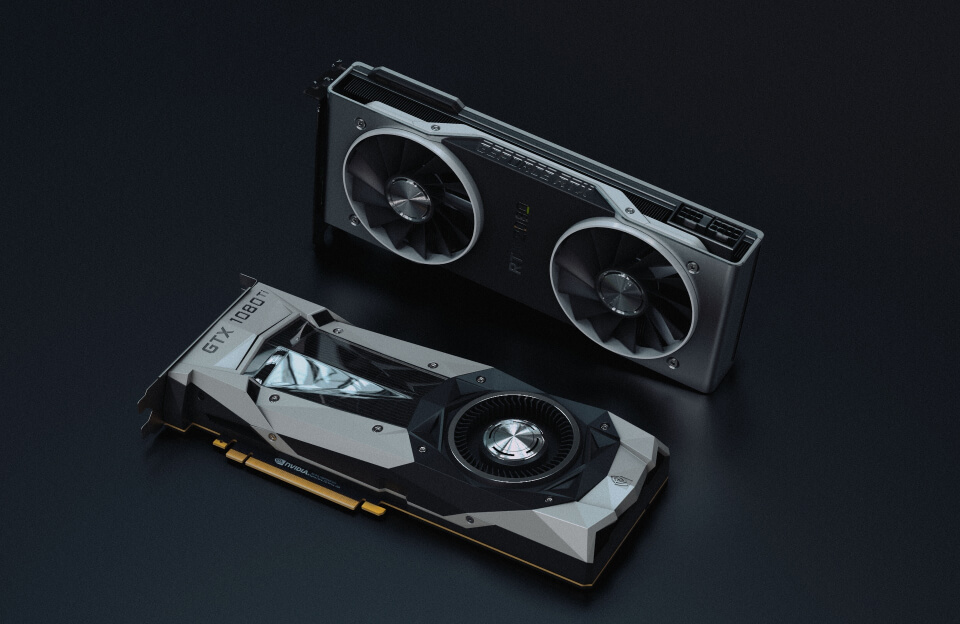
Gaming PC Performance Boost Tricks are essential for anyone looking to squeeze every ounce of speed from their rig. Whether you’re a casual gamer who wants smoother gameplay or a competitive player needing frame‑per‑second precision, the right tweaks can make a noticeable difference. In this guide, we’ll walk through proven strategies— from storage optimization to cooling solutions— that are grounded in reliable research and expert consensus.
Gaming PC Performance Boost Tricks: Optimize Your Storage
The first layer of improvement comes from how you store your game files. Solid‑State Drives (SSDs) have eclipsed spinning hard drives in both speed and durability, offering read/write speeds that are several times faster. According to Wikipedia’s SSD page, an NVMe SSD can reach up to 3,500 MB/s, while a SATA SSD tops at around 550 MB/s. Moving your primary game library from an HDD to an NVMe SSD can cut load times by up to 80%.
When selecting an SSD, prioritize the real speed, not just the advertised one. Use tools like CrystalDiskMark or Windows’ built‑in winsat disk to verify achieved throughput. Additionally, maintaining a buffer of at least 25‑30 GB free space on the SSD allows the operating system to use it effectively as a page file, preventing read‑write bottlenecks.
Gaming PC Performance Boost Tricks: Fine‑Tune Your Graphics Settings
Graphics settings are the most visible piece of the performance puzzle. Modern games expose a myriad of sliders—resolution, anti‑aliasing, texture quality, ray‑tracing, and more. Instead of blindly setting everything to “max,” use graphics cards’ configuration utilities such as NVIDIA Control Panel or AMD Radeon Settings to base your settings on the GPU’s performance profile.
Two advanced techniques can further refine the balance between visual fidelity and smooth playback:
- DLSS / FSR – These machine‑learning upscaling technologies let you render at a lower resolution while preserving clarity. Enabling DLSS (for NVIDIA) or FSR (for AMD) can boost frame rates by 30‑50% without a noticeable visual loss.
- Variable Refresh Rate (VRR) – Enabling VRR on a G-Sync or FreeSync display eliminates screen tearing and allows the GPU to render frames only when the monitor can display them, improving perceived performance.
Gaming PC Performance Boost Tricks: Upgrade RAM Strategically
RAM often operates under the radar, yet it plays a crucial role in overall system responsiveness. The Wikipedia entry on RAM explains that higher clock speeds and lower latency translate to faster data access for games and background processes. For most modern gaming PCs, 16 GB of dual‑channel DDR4 at 3200 MHz is a safe baseline; however, for demanding titles or multitasking, 32 GB can prevent memory overcommitment.
When upgrading, ensure that the memory modules are matched in size, speed, and timings. Mismatched sticks can lead to sub‑optimal performance as the motherboard’s memory controller might default to the slower speed. Checking the motherboard’s QVL (Qualified Vendor List) from the manufacturer’s website guarantees compatibility and optimal stability.
Gaming PC Performance Boost Tricks: Enable Efficient Cooling
Temperature is a hidden antagonist. Overheating forces the CPU or GPU to throttle, reducing clocks and, consequently, frame rates. A two‑in‑one solution—air cooling with efficient fans and thermal paste application—can lower core temperatures by up to 15 °C. For those looking for more aggressive cooling, custom water loops or liquid‑cooling blocks are viable, provided the system’s PSU can support the extra power draw.
Proper case airflow is equally important. Position intake fans at the front, exhaust fans at the rear or top, and keep dust filters clean. A 120 mm intake fan operating at a 30 % speed can consume only 5 W while still moving 30 CFM of air, striking a balance between noise and cooling adequacy.
Gaming PC Performance Boost Tricks: Consider GPU Overclocking
GPU overclocking tailors the device to your specific build. Use tools such as MSI Afterburner or EVGA Precision to bump core and memory clocks incrementally while monitoring GPU temperatures and fan curves. NVIDIA’s driver website offers robust overclocking options built into the control panel.
Always run stress tests with software like 3DMark or Unigine Heaven. Overclocking that pushes temperatures beyond 80 °C may cause thermal throttling during intense scenes, negating the intended boost. Keep the GPU under 75 °C for consistent performance during extended gaming sessions.
Conclusion and Call to Action
Gamers don’t need to break the bank for minor gains; instead, focus on storage, graphics settings, RAM, cooling, and safe overclocking. If you adapt these tricks systematically, you can achieve smoother frame rates, shorter load times, and a better overall experience.