When you invest in a high‑performance rig, the goal is to keep the experience fresh without rebuilding from scratch. Gaming PC hardware upgrades are the most cost‑effective way to extend the life of your machine, especially when you target components that offer measurable performance gains over time. In the next few sections we’ll explore which upgrades scale best, why they matter, and how to prioritize them so your system stays competitive for years to come.
Graphics Card Upgrades for Gaming PC Hardware Upgrades
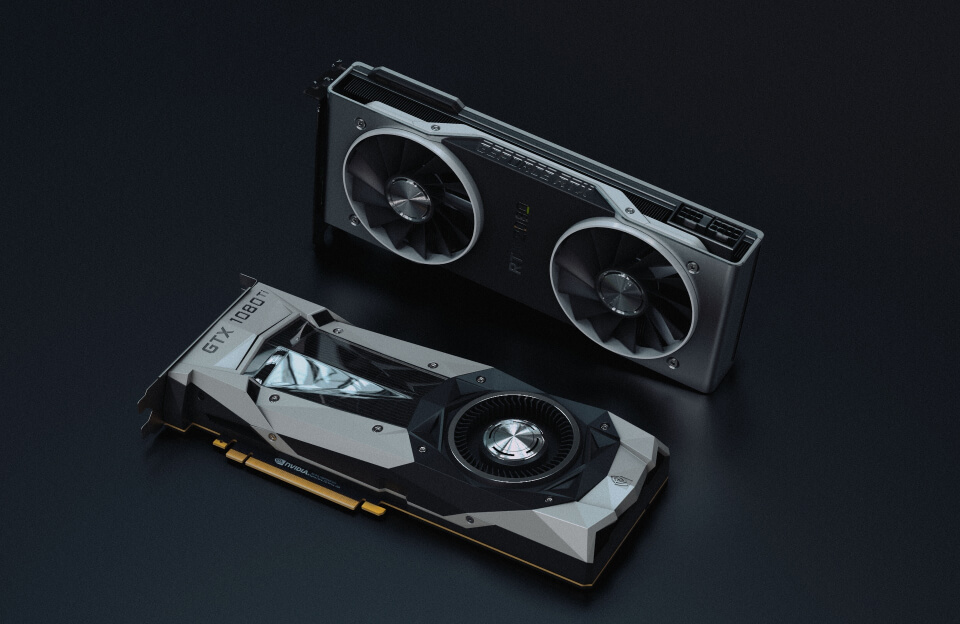
The graphics processing unit (Graphics Processing Unit, or GPU) remains the single most influential factor for modern gaming performance. As titles adopt ray tracing, higher resolutions, and larger texture packs, a newer GPU can deliver a noticeable boost even on an older CPU. When selecting a new GPU, consider the following:
- VRAM capacity – 8 GB is the baseline for 1080p, while 12–16 GB is recommended for 1440p and 4K experiences.
- Architecture efficiency – Recent generations (e.g., NVIDIA Ada Lovelace or AMD RDNA 3) provide better performance per watt, reducing heat and power draw.
- PCIe compatibility – Most modern GPUs use PCIe 4.0; ensure your motherboard supports it for maximum bandwidth.
Investing in a GPU that exceeds the performance of your current display can also future‑proof your setup, allowing you to upgrade monitors later without another hardware change.
SSD Storage Upgrades That Scale with Gaming PC Hardware Upgrades
Storage speed directly affects game load times, texture streaming, and overall system responsiveness. Upgrading from a traditional hard drive to a Solid State Drive (SSD) is one of the most noticeable improvements you can make. NVMe SSDs, which communicate over the PCIe bus, provide up to five times the throughput of SATA SSDs. When planning this upgrade, keep these points in mind:
- Choose a drive with at least 1 TB capacity to accommodate large game libraries and future titles.
- Verify your motherboard has an M.2 slot supporting NVMe (PCIe 3.0 or 4.0) to avoid bottlenecks.
- Consider endurance ratings (TBW) to ensure the drive lasts through heavy write cycles typical of modern games.
An SSD not only speeds up launches but also reduces stutter in open‑world environments, making it a cornerstone of sustainable gaming PC hardware upgrades.
CPU and RAM Choices for Sustainable Gaming PC Hardware Upgrades
The central processing unit (Central Processing Unit, or CPU) and system memory determine how well your PC handles background tasks, AI, and physics calculations. While a GPU often steals the spotlight, a balanced CPU prevents bottlenecks that can negate graphical gains. When upgrading, evaluate these aspects:
- Core count and clock speed – Modern AAA titles benefit from 6‑8 cores at high boost clocks; look for CPUs offering both.
- Motherboard socket compatibility – Ensure the new CPU matches your socket (e.g., LGA 1700 for Intel 12th‑gen and newer).
- RAM capacity and speed – 16 GB of DDR4 SDRAM is the current sweet spot; for future‑proofing, 32 GB at 3200 MHz or higher protects against upcoming memory‑intensive games.
Upgrading both CPU and RAM together often yields a smoother experience than swapping just one component, especially when combined with a stronger GPU.
Cooling and Power Solutions that Grow with Gaming PC Hardware Upgrades
Higher‑performance parts generate more heat and demand stable electricity. Neglecting cooling or power can shorten component lifespan and cause throttling. Effective upgrades include:
- Aftermarket CPU coolers – Air coolers with larger heat pipes or all‑in‑one liquid coolers keep temperatures low during extended sessions.
- Case airflow improvements – Adding intake and exhaust fans promotes consistent airflow, crucial for GPU and VRM cooling.
- Power supply unit (PSU) capacity – A reputable 80+ Gold certified PSU at 650‑750 W provides headroom for future GPU or multi‑GPU setups.
For thermal paste, many enthusiasts rely on high‑quality brands; NASA even researches thermal interfaces, highlighting the importance of proper application (NASA Thermal Research).
Strategic Planning: Prioritizing Upgrades Over Time
Instead of swapping everything at once, map out a phased approach. Start with the component that yields the greatest performance per dollar. Historically, the upgrade hierarchy looks like this:
- GPU – biggest visual impact.
- SSD – faster loads and smoother streaming.
- CPU + RAM – removes processing bottlenecks.
- Cooling & PSU – ensures stability for the above.
By following this sequence, you maximize return on investment while keeping your system ready for emerging technologies such as AI‑driven rendering and cloud gaming. Additionally, staying informed about manufacturer roadmaps helps you anticipate when a new generation will deliver a meaningful jump in performance.
Energy Efficiency and Longevity
Modern components are designed with power efficiency in mind. The U.S. Department of Energy offers Energy Saving Tips for Computers, emphasizing that an efficient system reduces electricity costs and heat output, both of which contribute to longer hardware life. When selecting upgrades, prioritize components with high efficiency ratings (e.g., 80+ Gold/Platinum PSUs, low‑TDP CPUs) to align performance gains with sustainable operation.
Conclusion
Effective gaming PC hardware upgrades are about choosing parts that deliver lasting value. By focusing on the GPU, SSD, CPU/RAM balance, and robust cooling/power solutions, you create a platform that scales with future titles and technologies. Remember to plan upgrades strategically, keep an eye on efficiency, and replace components in an order that maximizes performance per dollar.
Ready to boost your rig? Explore the latest graphics cards, high‑speed SSDs, and reliable cooling solutions today and keep your gaming experience ahead of the curve.
Frequently Asked Questions
Q1. How often should I upgrade my GPU?
Most gamers find a GPU refresh every 2‑3 years offers the best performance‑per‑dollar. Waiting longer can mean missing out on newer architectures that improve efficiency and ray‑tracing support. However, if your current card handles your target resolution and frame rate, you can extend the cycle.
Q2. Will an NVMe SSD improve game performance?
Yes, an NVMe SSD reduces load times and texture streaming delays, especially in open‑world games. The higher bandwidth compared to SATA SSDs can also lessen stutter during asset swaps. It doesn’t increase FPS directly, but the overall experience feels smoother.
Q3. What CPU specs matter most for gaming?
The core count and boost clock are the key factors; 6‑8 cores with high single‑thread speeds cover most modern titles. Ensure the CPU matches your motherboard’s socket and chipset to avoid a costly replacement. Pairing it with at least 16 GB of fast DDR4 or DDR5 RAM prevents bottlenecks.
Q4. Do I need a new power supply when upgrading to a high‑end GPU?
A high‑end GPU can draw 300 W or more, so a quality 80+ Gold PSU of 650‑750 W provides sufficient headroom. Using an undersized or low‑efficiency PSU can cause instability, throttling, or even component damage. It’s a good opportunity to upgrade to a more efficient unit for future expansions.
Q5. How important is cooling after a major upgrade?
Improved cooling maintains performance by preventing thermal throttling on both CPU and GPU. Adding quality case fans or an AIO liquid cooler keeps temperatures low during long sessions. Proper thermal paste application also contributes to better heat transfer.