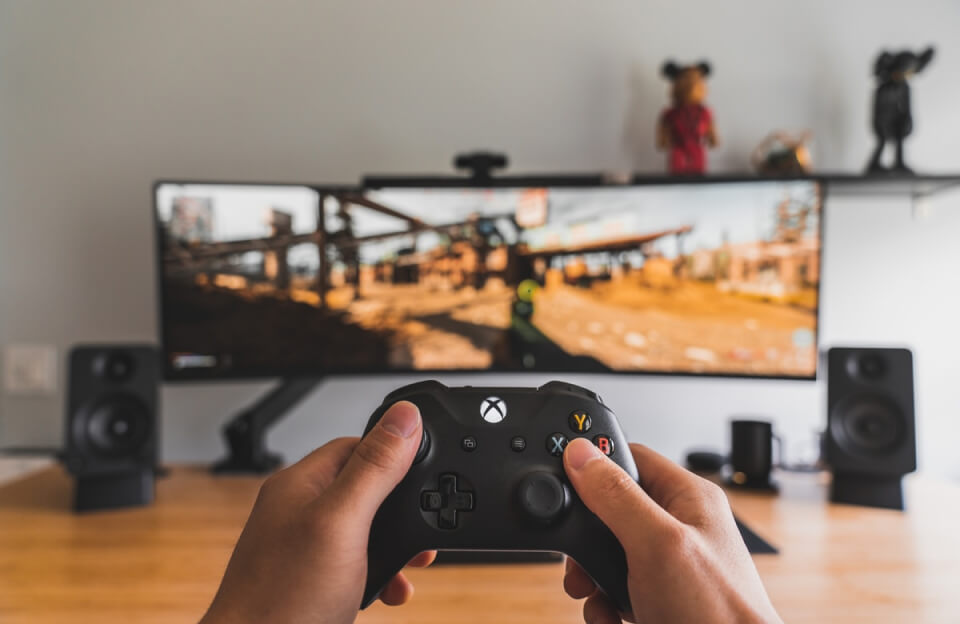
Upgrading a gaming PC hardware can feel like navigating a maze of specs, budgets, and compatibility questions. Whether you’re chasing higher frame rates, smoother multitasking, or future‑proofing your rig, understanding the most impactful upgrades helps you spend wisely and avoid costly mistakes. In this guide we break down the essential components—CPU, GPU, memory, storage, cooling, and power—using clear language and real‑world examples so you can decide which upgrade will give you the biggest performance boost.
Understanding the Core Components
Before diving into individual parts, it helps to see how a gaming PC works as a system. The computer architecture consists of a central processing unit (CPU) that handles calculations, a graphics processing unit (GPU) that renders images, RAM that supplies temporary data, storage that holds games and the operating system, and supporting subsystems such as cooling and power delivery. Each component has its own performance ceiling, and a bottleneck in any one area can limit the overall experience. Identifying the weakest link in your current setup is the first step toward an effective upgrade plan.
CPU Upgrades: When and Why
The CPU is often called the “brain” of the PC because it executes the code that drives game logic, AI, and physics. Modern titles rely heavily on multi‑core performance, so moving from a four‑core processor to a six‑ or eight‑core model can dramatically improve frame stability, especially at higher resolutions or when streaming simultaneously. However, a CPU upgrade is only worthwhile if your motherboard supports the new socket and chipset. Check the Intel or AMD compatibility lists before purchasing.
Typical scenarios that benefit from a CPU upgrade include:
- Open‑world games with complex AI (e.g., Red Dead Redemption 2).
- Games that use CPU‑intensive ray tracing, such as Cyberpunk 2077.
- Simultaneous streaming or content creation while gaming.
If you’re already paired with a high‑end GPU, a modest CPU upgrade (e.g., from a Ryzen 5 5600X to a Ryzen 7 5800X) can unlock the extra cores without overspending.
GPU Choices: Balancing Power and Budget
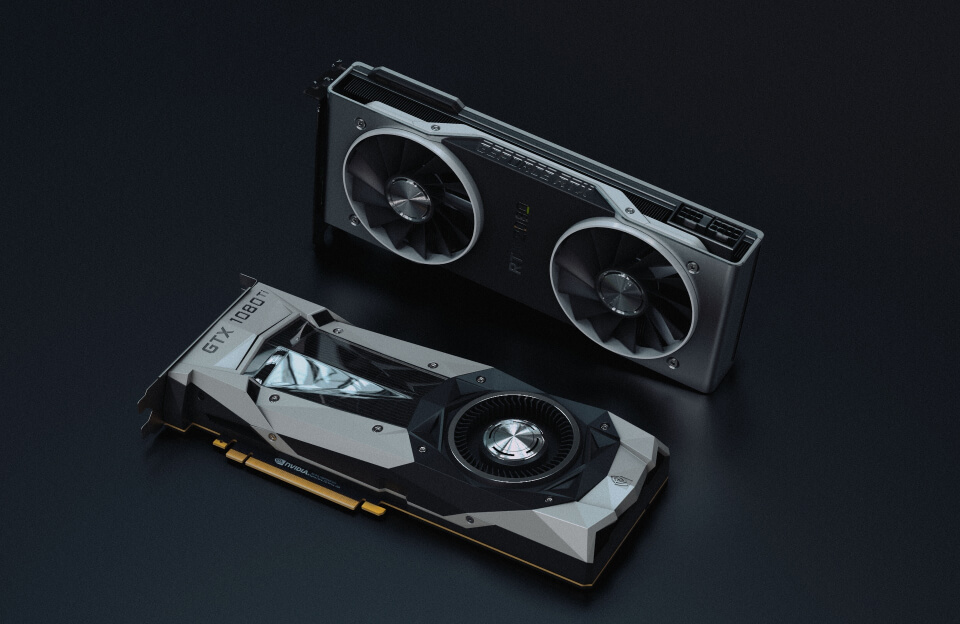
The graphics card is the most visible upgrade for gamers because it directly influences resolution, texture quality, and frame rates. When evaluating a new GPU, consider three key metrics: VRAM size, shader count, and power consumption. For 1080p gaming, a card with 8 GB of VRAM and 2,000–3,000 shader cores (such as the NVIDIA GeForce RTX 3060) is usually sufficient. For 1440p or 4K, step up to 12 GB+ VRAM and 8,000+ cores, like the RTX 4070 Ti or AMD Radeon RX 7900 XT.
Don’t forget to check your case dimensions and power supply capacity. Many high‑performance GPUs require two 8‑pin connectors and a PSU rated at 650 W or higher. The Puget Systems guide provides real‑world power draw numbers for the latest cards.
Memory and Storage: Faster Data Flow
RAM acts as a high‑speed workspace for the CPU and GPU. Most modern games run comfortably with 16 GB of DDR4 at 3200 MHz, but moving to 32 GB or adopting DDR5 can reduce stuttering in open‑world titles and improve multitasking performance.
Storage upgrades have the most noticeable impact on load times. Switching from a mechanical hard drive (HDD) to a solid‑state drive (SSD) can cut game launch times from minutes to seconds. NVMe SSDs, which connect via the PCIe 3.0 or 4.0 bus, offer read speeds up to 7,000 MB/s, making texture streaming virtually seamless.
- RAM: 16 GB DDR4‑3200 for most builds; 32 GB DDR5‑5600 for high‑end workstations.
- SSD: 1 TB NVMe for OS and frequently played games.
- HDD: 2–4 TB for bulk storage of movies, archives, and less‑played titles.
When adding new memory, consult your motherboard’s Qualified Vendor List (QVL) to ensure compatibility and enable dual‑channel or quad‑channel modes for maximum bandwidth.
Cooling and Power: Stability Matters
Higher performance components generate more heat, and inadequate cooling can throttle performance or shorten component lifespan. Air coolers with large heat‑pipes (e.g., the Noctua NH‑D15) are cost‑effective, but for overclocked CPUs or multi‑GPU setups, an all‑in‑one (AIO) liquid cooler provides more consistent thermal headroom.
Power delivery is equally critical. A high‑quality 80+ Gold or Platinum PSU reduces energy loss and protects against voltage spikes. The ENERGY STAR program lists models that meet strict efficiency standards.
Proper cable management also improves airflow. Use zip ties or Velcro straps to route cables behind the motherboard tray, and keep dust filters clean; a dusty system can see temperature rises of 5–10 °C, which may trigger thermal throttling under load.
Putting It All Together: upgrade Planning Checklist
To avoid the “upgrade paralysis” many gamers experience, follow this practical checklist:
- Identify the current bottleneck using monitoring tools like MSI Afterburner or HWMonitor.
- Set a realistic budget and prioritize upgrades that address the bottleneck first.
- Verify compatibility: socket type, PCIe lane count, RAM speed support, and PSU wattage.
- Purchase from reputable retailers that offer a clear return policy.
- Install the new component, update drivers, and benchmark with tools such as 3DMark.
By tackling upgrades systematically, you can achieve noticeable performance gains without unnecessary spending.
Conclusion
Understanding the interplay between CPU, GPU, memory, storage, cooling, and power equips you to make informed gaming PC hardware upgrades that truly elevate your gameplay. Whether you’re chasing ultra‑high refresh rates at 1440p or building a versatile machine for both gaming and content creation, the right upgrade path delivers smoother frames, faster load times, and a more reliable system.
Ready to transform your gaming experience? Explore our curated selection of verified components, read detailed reviews, and start upgrading today—your next level of performance is just a click away.
Frequently Asked Questions
Q1. Which component should I upgrade first for a smoother gaming experience?
The first step is to identify the bottleneck using monitoring tools like MSI Afterburner. In most cases, the GPU is the limiting factor for visual performance, so upgrading it yields the biggest frame‑rate gains. If your CPU often shows high usage, especially in strategy or simulation games, a CPU upgrade may be more beneficial. Always check compatibility with your motherboard before purchasing.
Q2. Do I need more than 16 GB of RAM for modern games?
Sixteen gigabytes of DDR4 is sufficient for the majority of titles at 1080p‑1440p. However, open‑world games, heavy multitasking, or running a streaming suite alongside gaming can benefit from 32 GB. Switching to DDR5 can also improve latency if your motherboard supports it, but the performance jump is modest compared to GPU upgrades.
Q3. How much power does a high‑end graphics card require?
High‑end GPUs such as the RTX 4070 Ti or Radeon RX 7900 XT typically draw 300–350 W under load. Including the rest of the system, a quality 650 W 80+ Gold or Platinum PSU is recommended. Always verify the required connectors (e.g., two 8‑pin) and ensure your PSU has enough headroom for future upgrades.
Q4. Is an NVMe SSD worth the upgrade over a SATA SSD?
Yes. NVMe drives connect via PCIe and offer read speeds up to 7,000 MB/s, dramatically reducing game load times and texture streaming delays. While the performance difference in everyday tasks is less noticeable, for large open‑world titles the faster data flow can improve overall responsiveness.
Q5. What cooling solution should I choose for an overclocked CPU?
Air coolers with large heat pipes, like the Noctua NH‑D15, provide excellent cooling for modest overclocks and are budget‑friendly. For higher overclocks or tight cases, an AIO liquid cooler (240 mm or larger) maintains lower temperatures and reduces acoustic noise. Ensure your case has adequate airflow and that the cooler is compatible with your CPU socket.