When building a new gaming rig, choosing the correct power supply wattage is as critical as selecting a high‑end graphics card or a fast CPU. The PSU Wattage for Gaming you pick determines not only whether your components run smoothly but also how reliable and future‑proof your system remains.
Understanding the Basics of PSU Power Delivery
A power supply unit (PSU) converts the 120‑V or 240‑V AC from your outlet into the variety of DC voltages required by computer components. The 12‑V rail is most important for gaming, as it feeds the GPU and the CPU. Knowing the three common power rails – 12 V, 5 V, and 3.3 V – helps clarify why the total wattage number might not fully represent real‑world performance.
The Wikipedia entry on Dell’s Power Supply Unit explains that PSUs are rated by maximum output; they do not operate at that maximum continuously. Typically, you should operate your PSU at 50‑70 % of its maximum rating to leave headroom for spikes and future upgrades. This is why two identical systems may still benefit from a higher rated PSU.
GPU vs. CPU Power – Where the Bulk of the Demand Comes From
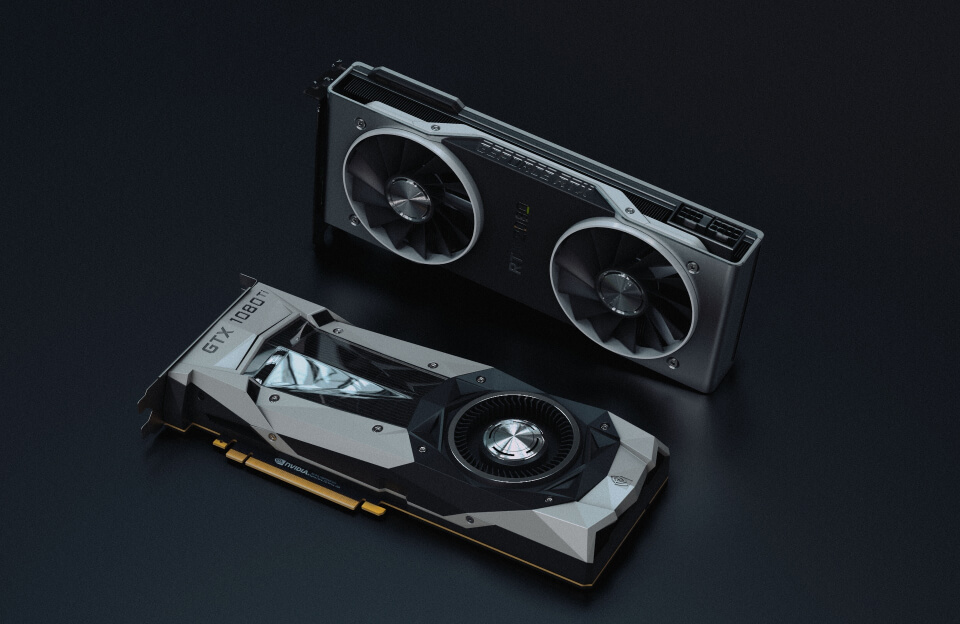
Modern graphics cards are the biggest power consumers in a gaming PC. For example, a high‑end GPU like the NVIDIA RTX 4080 can pull up to 320 W on the 12‑V rail alone. CPUs also contribute significantly – the AMD Ryzen 9 7950X can draw around 140 W under load, while Intel’s Core i9‑13900K peaks near 250 W. Combined, a high‑configured system is easily 600‑700 W.
When calculating needed wattage, start with the GPU’s recommended minimum, add the CPU’s full‑power figure, then include additional headroom for RAM, storage, cooling, and peripherals. A key rule of thumb: add at least 20 % extra for future‑proofing and overclocking. A single‑GPU build often benefits from 650‑750 W, a double‑GPU system needs 850‑1000 W, and an overclocked desktop might push beyond 1000 W.
For each major GPU tier, the industry‑wide benchmarks have established the following guidelines:
- Entry‑level to mid‑range (< 300 W): 500‑650 W PSU
- High‑end gaming (< 350 W): 650‑750 W PSU
- Top‑tier or overclocked (< 400 W+): 850 W or higher
Efficiency, Certification, and System Stability
Energy efficiency is an often overlooked factor that can impact both cost and heat output. The 80 Plus certification marks a PSU’s efficiency at high, medium, and low loads. A 80 Plus Gold unit reaches 87‑90 % efficiency at 20‑50 % load and about 85 % at 100 % load. For a gaming rig, choosing at least Gold, and if budget allows Platinum, reduces wasted heat and saves on electricity bills over time.
Headroom also protects against voltage dips or spikes that could otherwise damage or destabilize the system. High‑quality PSUs incorporate features such as redundant phase design, dynamic voltage control, and soft‑start. These build‑in safeguards are essential for maintaining game performance and hardware longevity, especially when you’re pushing components to their limits.
Recommended PSU Wattages for Common Gaming Configurations
Below is a quick reference that aligns PSU Wattage for Gaming with popular build scenarios. Use it to decide the minimum wattage and factor in your overclocking or upgrades.
- Base gaming build (single GPU, mid‑range CPU) – 550 W minimum, 650 W ideal
- Performance build (high‑end GPU, overclocked CPU) – 750 W minimum, 850 W ideal
- Extreme or multi‑GPU build (dual RTX 4080, overclocked CPU) – 950 W minimum, 1000 W+ ideal
- Future‑proofing (adding SSDs, RGB lighting) – add 50 W of margin per SSD, 30 W for additional cooling fans
For a more nuanced calculation, reference tools like the PCWorld Power Supply Calculator or specialized websites such as PCPartPicker.com will auto‑aggregate your choice and give a precise wattage estimate.
Choosing a PSU: Quality Over Quantity
It’s tempting to look for the lowest‑priced block on the market, but a cheap PSU can cost you more in the long run – through smoking components, silent fan noise due to low‑efficiency chips, and even damage to systems that were okay if they were a few percentages more powerful. Invest in a unit from a reputable manufacturer with transparent component lists, such as Corsair, EVGA, Seasonic or EVGA’s official site.
Pay attention to the following factors when selecting a PSU for your gaming machine:
- Maximum wattage – at least 10 % above your calculated load
- 80 Plus rating – Gold or above for efficiency
- Build quality – modular cables, minimum 140 W output on 12 V rail
- Warranty – 5‑year or longer for peace of mind
- Fan control – pulse width modulation (PWM) for silent operation at part load
- Reviews – aggregated data from trusted tech review sites
PSUs for gaming aren’t just about raw wattage; they must also keep drivers and fans cool while delivering clean power. If you are planning out‑of‑box solutions or wanting to support overclocking, consider pre‑built systems from larger manufacturers that pair a certified PSU with optimised motherboard design.
Conclusion & Call to Action
Knowing the PSU Wattage for Gaming is more than selecting a big number; it’s a calculated decision based on GPU demands, CPU intensity, peripheral needs, and future upgrades. By aiming for 20‑30 % headroom, choosing a reputable brand, and ensuring your unit meets at least 80 Plus Gold, you safeguard your gaming rig from power‑related instability and maximize longevity.
Don’t compromise your performance for a lower wattage PSU. Upgrade to a reliable, efficient power supply and enjoy uninterrupted, high‑frame‑rate gaming. Start your search today and experience the difference!
Frequently Asked Questions
Q1. How do I calculate the required PSU wattage for a gaming PC?
Begin by listing your main components – GPU, CPU, RAM, storage, and cooling. Look up each part’s TDP or power draw in the spec sheet. Add a 20–30 % headroom for future upgrades and idle power. Use an online PSU calculator to confirm the minimum wattage needed.
Q2. What does 80 Plus certification guarantee?
The 80 Plus rating shows a PSU’s efficiency at different loads (20 %, 50 %, 100 %). A Gold unit delivers 87–90 % efficiency at mid‑load, while Platinum units push beyond 90 %. Higher efficiency means less heat, lower electricity bills, and quieter operation over time.
Q3. Should I choose a modular PSU for a gaming build?
Modular PSUs let you connect only the cables you need, reducing clutter and improving airflow. They also make upgrades easier and keep the case cooler. Most mid‑range to high‑end gaming PSUs are modular or semi‑modular, so it’s a good investment if you value clean builds.
Q4. How much headroom should I leave for future upgrades?
Planning a 15–30 % margin above your calculated load is wise. This cushion covers additional SSDs, RGB lighting, new GPUs, or overclocking without stressing the power supply. It also protects against voltage dips or spikes.
Q5. Are dual‑GPU setups still common for gaming?
Today‑day, NVIDIA’s NVLink and AMD’s CrossFire are rarely used, and many titles do not support multi‑GPU rendering. A dual‑GPU build offers little performance benefit but can double power consumption and heat. For most gamers, a single premium GPU paired with a solid PSU is the better choice.