
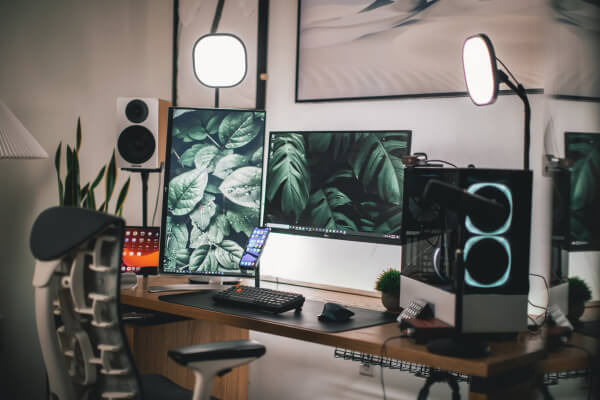
In the world of PC building, choosing a case is more than just picking a box; it’s a critical decision that affects airflow, component compatibility, and visual appeal. For gamers on a budget, finding the Best Budget Gaming PC Case can be a daunting task given the myriad options on the market. However, by focusing on a few key criteria—size, cooling potential, cable management, and price point—you can zero in on a case that balances performance with affordability. This guide walks you through the top contenders, explains what makes a case truly budget‑friendly, and offers practical tips to maximize your build without stretching your wallet.
Key Features to Evaluate
When hunting for a cost‑effective case, you should start by evaluating a handful of essential attributes. These features determine whether you get a snappy gaming experience or a frustrating, hot build that stalls performance.
- Form Factor – Most budget builds benefit from a mid‑tower design. It strikes an ideal balance between space for GPUs, cooling fans, and NVMe drives while keeping the price low.
- Cooling Support – A good case needs to accommodate at least three 120 mm fans or one 240 mm radiator. Look for mesh front panels or comprehensive fan brackets that keep airflow unobstructed. Heat sink explanation.
- Build Quality & Materials – While a high‑grade steel chassis is ideal, most budget options are made from strong plastic or a combination of plastic panels and steel strips. Check user reviews for reports of wobbling panels or flimsy tools.
- Cable Management – Visible cables can mar the aesthetic of a build and impede airflow. Most modern cases feature routing grommets, flexible cutouts, and a clear rear panel for power cord access. Good cable management may give an inexpensive case a premium look.
- Warranty & Support – Manufacturers typically offer warranties ranging from one to three years. A responsive support portal indicates a reliable brand, even if the case itself is entry‑level.
For designers, a deeper look into how a case facilitates airflow and component cooling is available in the PC case overview.
Top 2024 Budget Picks
Below are four cases that consistently rank at the top of comparisons and have proven real‑world reliability. All are under $100, tiered by price and feature set.
- Cooler Master MasterBox Q300L – This compact mid‑tower offers flexible mounting for height‑increasing GPU brackets and a pre‑installed front fan. Its modular side panels can be swapped between rigid and mesh options, making it a versatile base for upcoming GPUs.
- NZXT H510 Compact – With a polished aluminum front and tempered glass side, the H510 provides an upscale look without a steep price tag. It holds up to a 380 mm radiator with a simple, well‑placed mounting system.
- Lian Li Lancool II Mesh – Known for impressive airflow, this case features a full mesh front panel and a 200 mm fan in the front, plus two additional fan mounts. Its HVAC‑style design allows for custom wire routing and high airflow to the CPU.
- Thermaltake Versa H21 – The most affordable of the group, the Versa H21 includes a pre‑installed 120 mm fan, 150 mm front venting, and a plastic chassis that keeps the price down while still accommodating a 6‑slot graphics card.
These cases illustrate that an affordable design does not necessarily mean a bare‑bones appearance. Each of these designs caters to a mainstream budget while maintaining essential performance factors.
Compatibility and Build Tips
Even the best case on paper may underperform if you overlook component compatibility. Here are quick tips to ensure a seamless build:
- Check Graphics Card Length – Most mid‑tower cases accept GPU lengths up to 280–310 mm, though the Lian Li Lancool II Mesh allows up to 350 mm with an additional 4‑inch GPU bracket. Always measure your chosen GPU and compare it to the case width.
- CPU Cooler Height Constraints – DDR5 sockets render many high‑profile coolers obsolete. The Thermaltake Versa H21’s 170 mm clearance is suitable for all standard air coolers and up to 240 mm radiators for liquid cooling.
- Power Supply Options – Cases usually accept ATX or SFX PSUs. If you are downsizing to save money, look for a case that accommodates an SFX‑type power supply, as these units generally cost less than full‑size ATX models. The FCC power guidelines provide a baseline for safe PSU integration.
- NVMe and Storage Slots – Mid‑tower budgets often include at least two 3.5‑inch drive bays plus a 2.5‑inch SSD dock. If you want faster NVMe, verify that the case’s rear I/O panel supports M.2 or has an additional 2.5‑inch slot adjacent to it.
Pre‑installing panels and cables during assembly, as well as planning the pathway for the main power connector, can save you several hours in a long build session. Proper cable management reduces air resistance and gives your build a more refined look.
Conclusion & Call to Action
Choosing a Best Budget Gaming PC Case demands both research and an awareness of your own hardware roadmap. A well‑designed mid‑tower can host high‑performance components, offer robust cooling, and keep your investment protected for years. The four model selections presented have earned their place in current build circles due to a blend of quality, price, and performance that satisfies both new and seasoned gamers.
Don’t let a lackluster case curb your gaming potential. Start building your dream PC today with a case that marries budget sensibility and gaming performance—your future self will thank you for the heat‑efficient, cable‑neat setup.
