Buying an AMD Radeon Gaming PC is a decision that blends power, price, and future‑proofing. Whether you’re a seasoned overclocker or just stepping into the world of PC gaming, the right GPU paired with a balanced build can elevate your experience to new heights. In this guide we break down every element you need to consider—from the GPU itself to the cooling, memory, and power stages—so you can assemble a system that delivers smooth frame rates and uncompromised performance.
Choosing the Right AMD Radeon GPU
AMD’s Radeon lineup offers a range of options, from budget‑friendly models to high‑end graphics cards that rival the best on the market. When you’re selecting a GPU, keep in mind these key parameters:
- GPU Architecture: Modern cards built on RDNA 2 or RDNA 3 bring ray‑tracing, variable‑rate shading, and PCI‑e 4.0 support.
- Memory (VRAM): 6 GB or more is the sweet spot for 1080p gaming; 8 GB+ is recommended for 1440p and higher resolutions.
- Power Draw (TDP): Make sure your power supply can handle the card’s demands plus additional components.
For 1080p gaming a Radeon RX 6600 XT delivers excellent value, while the RTX 20‑series often remains a viable budget option. At the high end, the Radeon RX 7900 XTX offers near‑peak performance in the latest AAA titles.
CPU‑Centric Build for AMD Radeon Performance
The CPU is the cog that drives your game’s logic and frame calculations. To avoid bottlenecks, pair a robust processor with your Radeon card. AMD’s own Ryzen series, especially the 7000‑series (e.g., Ryzen 9 7950X), satisfies modern multi‑threaded workloads and future‑proofs your machine for upcoming titles.
When you aim for 30–60 fps at 1080p, a mid‑tier Ryzen 5 5600X is more than sufficient. However, for 1440p or higher where GPU load dominates, even a Ryzen 7 can keep the system balanced.
Memory & Storage: DDR5 & SSD Synergy
High channel memory speeds boost CPU throughput and overall system responsiveness. DDR5 memory offers 4000‑8000 MT/s rates, lowering latency and lifting load times. Pairing 6000 MT/s RAM with a Radeon card ensures that graphics memory bandwidth and system memory stay in harmony.
For storage, solid state drives (SSDs) are essential. NVMe PCI‑e 4.0 SSDs provide the fastest read/write speeds, drastically reducing game load times and system boot times. Consider a dual‑drive setup: a 1 TB NVMe drive for the OS and games, plus a secondary SATA SSD for media and applications.
Cooling & Power: Keeping the System Stable
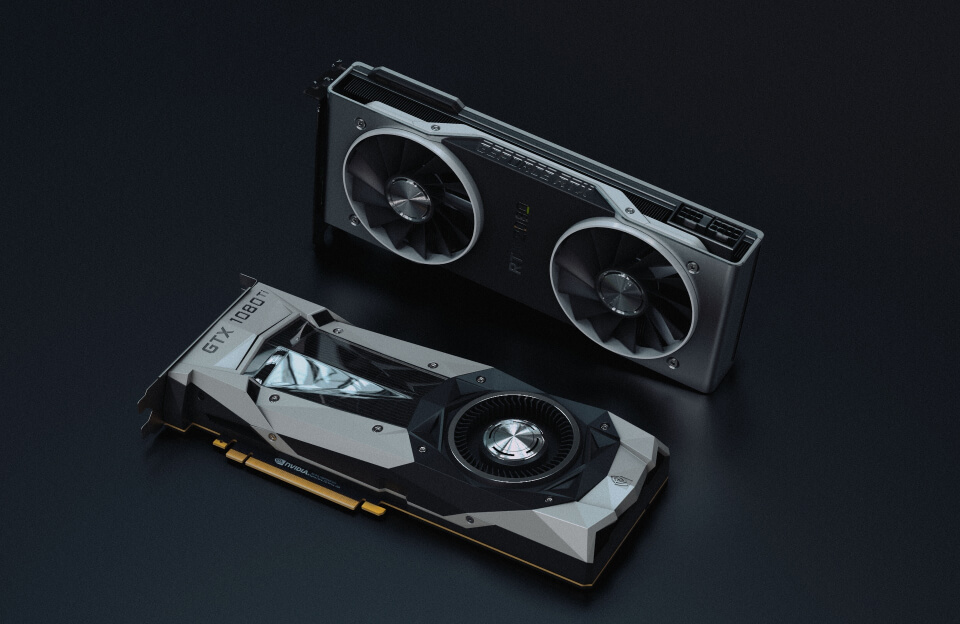
Effective thermal management keeps GPUs and CPUs operating at optimum performance and prolongs hardware lifespan. AMD’s Radeon cards usually come with a standard blower or dual‑fan design. Opting for a liquid cooling solution—particularly a closed‑loop cooler for the CPU—can mitigate thermals and reduce noise.
Power supplies should exceed the GPU’s TDP by at least 20%. A certified 80+ Gold (or better) power unit with a 650‑750 W output is a safe bet for most gaming builds. The PSU’s efficiency matters: higher efficiency means less fan noise and lower electricity costs.
Guide Checklist: What to Buy
- GPU – Radeon RX 6800 XT for 1440p or RX 6600 XT for 1080p.
- CPU – Ryzen 7 7800X3D, supports variable‑rate shading.
- Motherboard – AMD B650 with BIOS support for PCI‑e 4.0.
- Memory – 32GB DDR5-6000 ECC/without error correcting, depending on board support.
- Storage – 1TB NVMe PCI‑e 4.0 SSD for OS and games, 2TB SATA SSD for archives.
- Case – Mid‑tower with effective airflow; recommend NZXT H510 or similar.
- CPU cooler – NZXT Kraken X63 280mm liquid cooler.
- Power supply – 750W 80+ Gold, Corsair RM750x.
- Optional – RGB lighting, sound card, additional fans.
Benchmarking & Real‑World Performance
Once assembled, verify performance by testing using titles that stress GPU and CPU differently. For instance, Cyberpunk 2077 highlights GPU render loads, while Shadow of the Tomb Raider can test CPU‑bound scenarios. Tools like 3DMark and UserBenchmark provide standardized scores, letting you compare your build against ground truth data.
Future‑Proofing and Upgrade Paths
AMD’s architecture roadmap emphasizes backward compatibility. When you select a platform like AM4 (Ryzen 3000/5000) or AM5 (Ryzen 7000), you lock in support for future GPUs and memory standards.
Should you notice a performance bottleneck, upgrade paths typically involve swapping the GPU, adding higher‑speed RAM, or adding an extra SSD. Importantly, our AMD‑centric builds keep you from having to swap the CPU as well, as many modern GPUs scale vertically with Ryzen CPUs.
Conclusion: Your Next AMD Radeon Gaming PC
Choosing the right AMD Radeon Gaming PC package boils down to aligning GPU performance, CPU capability, memory bandwidth, and thermal management. By following this guide, you’ll create a system that not only performs current games flawlessly but is also ready for the next wave of AAA releases.
Ready to elevate your gaming? Start assembling today or visit a trusted retailer for pre‑built options that feature the latest AMD Radeon GPUs.
Frequently Asked Questions
Q1. What is the best AMD Radeon GPU for 1080p gaming?
The Radeon RX 6600 XT delivers excellent 1080p performance while keeping power consumption and costs low. It offers strong rasterization, competitive ray‑tracing in modern titles, and a price point that beats many entry‑level RTX cards.
Q2. How much RAM is needed for 1440p gaming with Radeon GPUs?
For 1440p, 8 GB of VRAM is the minimum to avoid bottlenecks in newer titles; 10‑12 GB or more gives room for future releases. Pairing that with 16‑32 GB of system DDR5 memory ensures the CPU and GPU work smoothly together.
Q3. Do I need a high‑end PSU for an AMD Radeon Gaming PC?
A solid 80+ Gold or better 750‑800 W PSU provides headroom for the GPU’s TDP and future upgrades. It also improves efficiency, reducing noise and power bills without the need for the most expensive models.
Q4. Is liquid cooling necessary for AMD Radeon GPUs?
You can run most Radeon cards effectively with a high‑quality air cooler. Liquid cooling is optional and mainly benefits enthusiasts who want extra headroom for overclocking or ultra‑quiet builds.
Q5. What future‑proofing options exist for AMD Radeon builds?
Choosing an AM5 motherboard and Ryzen 7000‑series processor locks you into PCI‑e 5.0, DDR5, and XMP 5 profiles. This platform supports next‑generation Radeon GPUs, ensuring compatibility for several years.