A gaming PC built for the latest AAA titles must do more than just look good; it has to deliver consistent, buttery‑smooth frame rates, photorealistic ray‑tracing, and low input lag even in the most demanding scenes. The true challenge lies in selecting the right mix of CPU, GPU, memory, storage, and cooling so that each component can keep up as game worlds grow larger and more detailed. In this guide, we’ll cover the core elements that make a powerhouse gaming rig, offer a step‑by‑step build checklist, and point you to reliable resources that will help you stay on trend. Whether you’re upgrading an existing desktop or starting from scratch, these fundamentals will keep your system running at peak performance for years to come.
Choose the Right CPU
Modern AAA games now often utilize multi‑core architectures to balance physics, AI, and rendering calculations. For a solid foundation, look for a 6‑core or 8‑core processor with a high base clock and strong boost performance. The AMD Ryzen 7 7700X and Intel Core i7‑13700K remain top‑tier choices, offering a balance of core count, single‑thread latency, and power efficiency that caters to both gourmand and generalist workloads. Keep in mind that certain titles still scale linearly with single‑thread performance, especially older engines, so a higher core count doesn’t automatically guarantee speed—every game’s profile is different.
When selecting a chipset, pair the CPU with a motherboard that supports PCIe 4.0 or 5.0 lanes. This lets you take full advantage of the latest GPU bandwidth, ensuring that your graphics card isn’t bottlenecked by a slower bus. Consider adding a reputable XMP (Extreme Memory Profile) support to unlock the true speed of DDR5 modules, which can shave milliseconds from input lag and improve frame pacing.
GPU: The Core of Visual Power
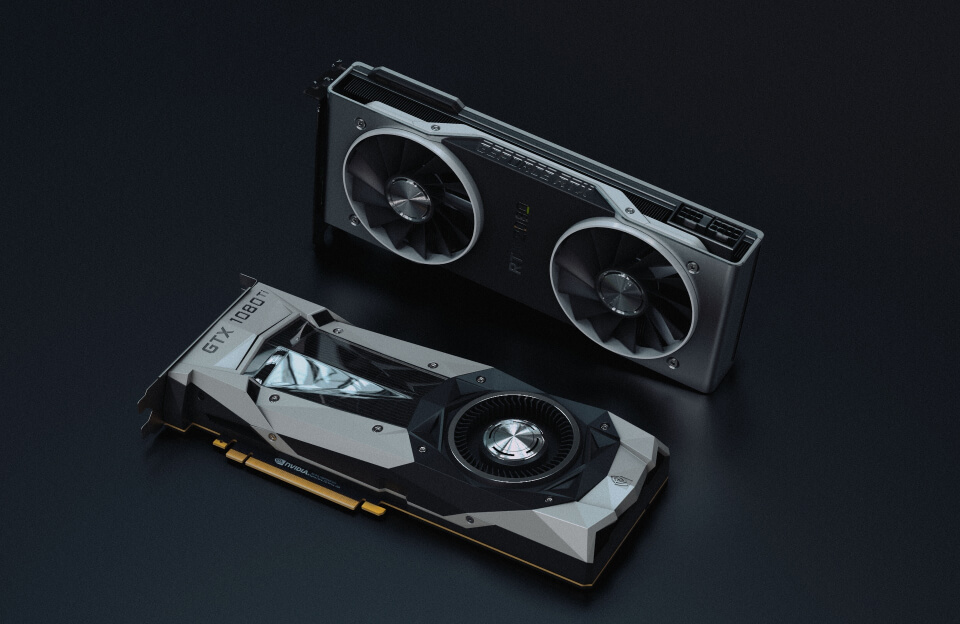
The GPU is undeniably the centerpiece of an AAA‑ready rig. Drive visual fidelity, high frame rates, and interactive ray tracing with one of the current‑generation GPUs, such as the NVIDIA GeForce RTX 4090 or AMD Radeon RX 7900 XTX. These cards deliver well over 100 frames per second in 4K at medium settings for most modern blockbusters, and they feature real-time ray tracing cores and DLSS/Tensor‑based upscaling that drastically improves performance without compromising detail.
To make sure your build hits the sweet spot, keep an eye on memory bandwidth and VRAM capacity. Many AAA titles are pushing 12 GB of VRAM to store high-resolution textures and complex shaders. Pair your GPU with a high‑frequency VRAM such as GDDR6X, and consider cards with at least 24‑GB of VRAM for future‑proofing when 8K or highly detailed textures become mainstream.
For reference on how different GPUs compare, see NVIDIA or AMD, which provide detailed specifications and performance benchmarks for each model.
Storage and Memory: Speed Matters
Fast storage is as vital for AAA titles as a powerful GPU. Installing your operating system and game library on an SSD dramatically reduces load times, game startup, and in‑game asset streaming. For the best experience, opt for PCIe 4.0 or 5.0 NVMe drives—the Samsung 980 Pro and Western Digital Black SN850 are popular choices for their high sequential read/write speeds in excess of 7000 MB/s.
When it comes to system RAM, at least 16 GB is the minimum for modern AAA games, but 32 GB is optimal for future‑proofing and multitasking scenarios such as running mod tools or streaming. DDR5 offers lower latency and higher throughput which translates to smoother quick‑scenes and higher frame stability. Remember to enable XMP for pure, out‑of‑the‑box speed.
Below is a quick component check‑list to keep you organized during the build process:
- CPU: AMD Ryzen 7 7700X or Intel Core i7‑13700K
- GPU: NVIDIA RTX 4090 or AMD Radeon RX 7900 XTX
- Motherboard: X570 (AMD) or Z690 (Intel) supporting PCIe 5.0
- Memory: 32 GB DDR5, 5200 MHz
- Storage: 1 TB NVMe SSD (PCIe 4.0+)
- Cooling: High‑performance AIO liquid or premium air cooler
- Case: Full‑tower with ample airflow and cable management
- PSU: 850 W or higher, 80+ Gold certified
Cooling and Power: Keep Cool Under Pressure
High‑end GPUs and CPUs generate significant heat under load, particularly during extended gaming sessions. A robust cooling solution—either a 240‑mm or larger AIO liquid cooler for the CPU and a well‑ventilated case with multiple intake/exhaust fans—will ensure that performance isn’t throttled by thermal limits. Many gamers also incorporate a vapor‑cooling payload or a passive CPU cooler if they prefer to stay noise‑free.
Complementary to airflow is the power supply. Consistent, clean power is necessary to maintain signal integrity across high‑end components. A ≥850 W, 80+ Gold certified PSU guarantees stable output under both idle and peak loads, reducing the risk of spikes that could degrade GPU performance.
To learn more about how power distribution can affect overclocking stability, visit NVIDIA’s official GPU page for guidelines on matching wattage to graphics card demands.
Conclusion: Build Your Ultimate AAA Experience
When assembling a gaming PC for AAA titles, focusing on a balanced system—strong CPU, powerhouse GPU, rapid storage, ample memory, reliable cooling, and robust power—will keep you ahead of the curve. Stay vigilant to emerging trends like ray tracing and DLSS, adjust your component choices accordingly, and keep the rig’s firmware and drivers updated to harvest every performance punch the game editors design. Now that you’ve got the blueprint, the next step is to pick the parts that fit your budget and performance goals, purchase them, and assemble the system with patience and precision.