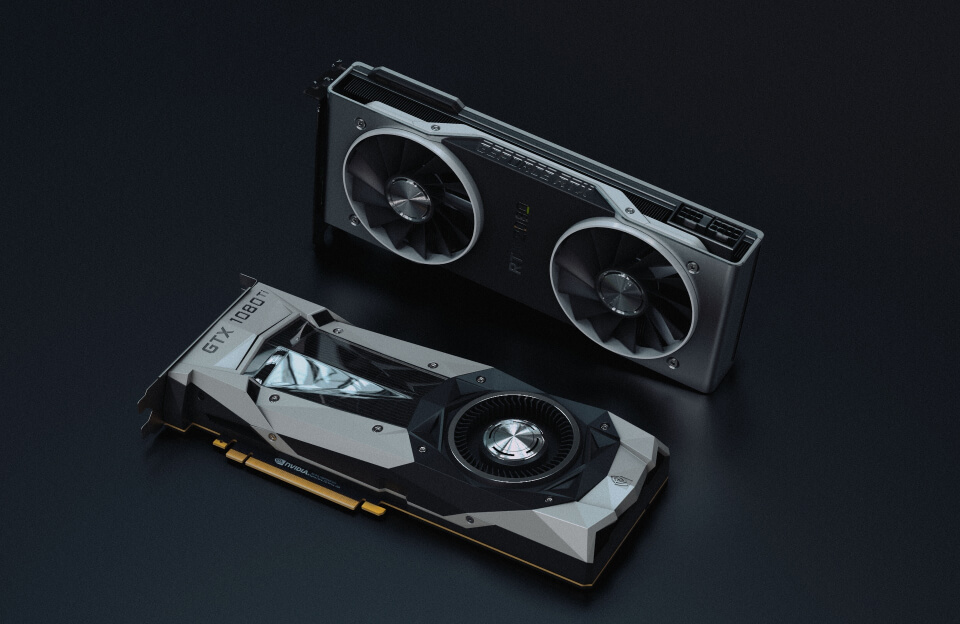
Building or upgrading a gaming PC isn’t just about choosing the latest GPU or processor; the cooling system determines how dependable the rig will be during marathon sessions. Understanding Gaming PC Fan Speed is essential for anyone who wants to keep temperatures low while maintaining a silent desk. In this guide we’ll break down the fundamentals of fan speed, how to read it, and the practical tips that let you tweak your cooling profile for maximum performance and minimal noise.
Understanding Fan Speed Basics
Fan speed is typically measured in revolutions per minute, or RPM. While a higher number generally means more airflow, it also produces higher noise levels. Manufacturers design fans to work within a sweet spot where sufficient cooling is achieved without generating excessive fan noise. Typically, a gaming PC fan will operate anywhere from 3000 to 6000 RPM, depending on the model and the expected thermal load.
- Lower RPM (< 3000) – Quiet, but may not handle high heat spikes.
- Mid RPM (3000-4500) – A balanced compromise between airflow and acoustics.
- High RPM (4500-6000) – Superior cooling for overclocked or power‑hungry components, yet noticeably louder.
When adjusting fan speed, it’s useful to think in terms of a fan curve—a graph that shows the fan’s RPM as a function of system temperature. Most modern motherboards and aftermarket fan controllers allow you to set such curves manually, ensuring that the fan only accelerates when temperatures rise and idles when the system is calm.
How to Measure RPM with Software
Modern hardware monitoring utilities such as CPU-Z or HWiNFO provide real‑time updates of fan speed. To read the RPM:
- Install the monitoring software and launch it.
- Navigate to the “Sensors” or “Hardware” tab.
- Locate the fan you want to measure—most motherboards will list each fan individually.
- Observe the RPM value; note baseline speeds and how they change as the system heats up.
Knowing your baseline fan speeds helps you gauge how aggressive your cooling strategy is and whether the hardware is performing as designed.
Balancing Performance & Noise
Many gamers worry that throttling fan speed will compromise GPU or CPU performance. This is a misconception; power management in modern GPUs and CPUs will usually lower the clock speed when temperatures reach a threshold. Keeping RPM just high enough to prevent thermal throttling safeguards performance while keeping noise under control.
Here are proven methods to find that sweet spot.
- Set a dynamic fan curve. Allow the fan to increase speed only when temperatures climb above a threshold—easily done in most BIOS setups or with a controller such as the Cooler Master MasterFan series.
- Use high‑efficiency fans. Low‑RPM fans that deliver high CFM (cubic feet per minute) are often quieter yet still effective.
- Keep cables tidy. A cluttered case not only hinders airflow but may trap hot air around critical components.
- Employ dust filters. Dust accumulation reduces fan efficiency drastically, forcing the fan to spin faster and louder.
Optimizing Fan Curves for Extreme Gaming
If you’re running an overclocked GPU or a high-core‑count CPU, your cooling system must be robust enough to handle the extra heat. In these scenarios, the fan curve should start at a higher baseline RPM and have a steeper slope to maintain lower temperatures. Below is a sample fan curve for a high-performance gaming rig:
- 25 °C: 1000 RPM (idle)
- 35 °C: 2000 RPM (light gaming)
- 45 °C: 3000 RPM (mid‑range gaming)
- 55 °C: 4500 RPM (heavy gaming)
- 60 °C+: 6000 RPM (max cooling)
Adjust these values based on your specific hardware and typical ambient temperatures. The goal is to keep the GPU/CPU below 80 °C during peak workloads while still keeping the fan noise acceptable—usually below 30 dB for modern 120 mm or 140 mm fans.
Choosing the Right Fans and Heat Sinks
Not all fans are created equal. When selecting a replacement or upgrade, pay attention to two metrics: CFM (airflow) and static pressure. High static pressure fans excel at pushing air through dense radiators or heatsinks. A comprehensive guide to fan specifications can be found in Wikipedia’s Static Pressure page.
Heat sink choice also interacts with fan speed. A larger heatsink increases surface area, allowing a lower fan speed to achieve the same cooling performance. The relationship between heat sink thermal conductivity and fan speed is well documented in NASA’s thermal management resources.
Monitoring Management
Keeping an eye on thermal output during both gaming and idle demonstrates the long‑term effectiveness of your fan speed settings. Additionally, monitoring fan health can preempt failures; most firmware provides critical alerts when a fan’s RPM repeatedly underperforms a threshold. Tapping into such data ensures that your rig remains reliable for years.
Conclusion: Achieve Balanced Gaming with Smart Fan Settings
Mastering Gaming PC Fan Speed is a blend of science and art. By measuring your fans’ RPM, setting a dynamic fan curve, and selecting high‑efficiency components, you can deliver silence and speed simultaneously. The balance you strike today will define the longevity and comfort of your gaming setup for the next few years.
Take control of your cooling now—experiment with these fan settings, run diagnostics, and let your rig breathe freely while you conquer the next level. Did you find these tips helpful? Share your own fan strategies in the comments below and let’s build a cooler, quieter gaming community together!