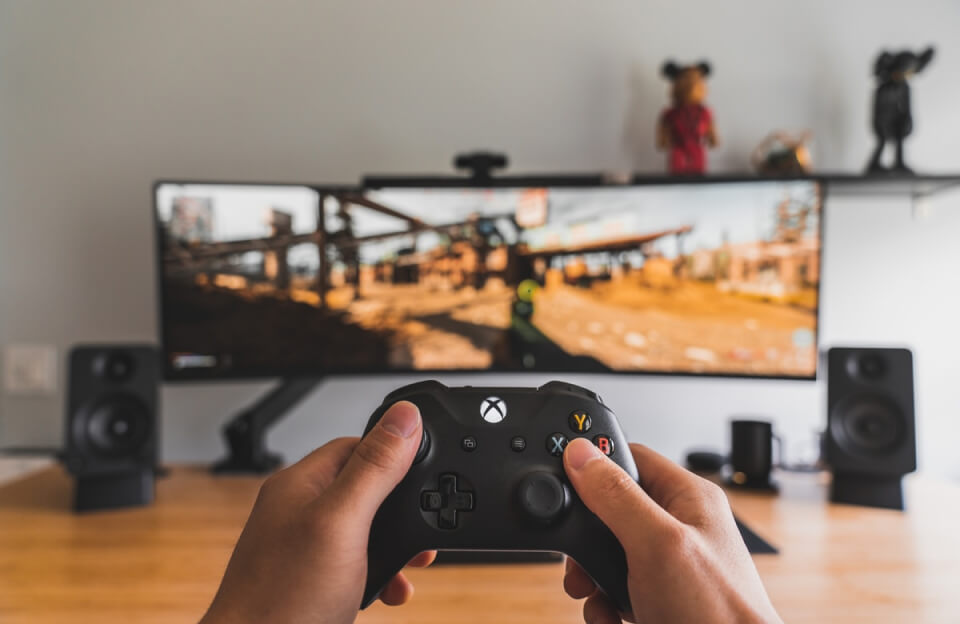
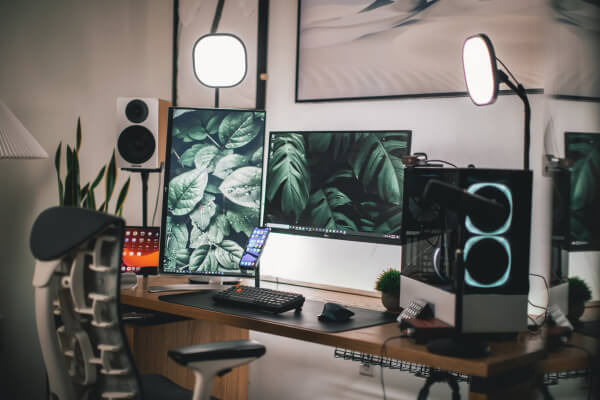
Building the perfect PC Gaming Setup for streamers is more than just picking a flashy tower and a high‑refresh monitor. It’s a strategic blend of performance, visual polish, and ergonomic efficiency designed to keep viewers engaged and producers comfortable over long hours. This guide will walk you through every critical element—hardware, software, peripherals, lighting, and workspace layout—so that your stream is crisp, reliable, and your viewers keep coming back for more.
Choosing the Right Core Hardware
At the heart of any stream‑ready PC is a robust CPU and GPU that can handle real‑time encoding while running the game itself. While averages and recommendations change rapidly, a solid baseline for 1080p streaming at 60 fps today is a quad‑core processor like the AMD Ryzen 5 5600X paired with an NVIDIA GeForce RTX 3060. If you aim for 1440p or want to broadcast on multiple platforms simultaneously, consider upgrading to an RTX 3070 or RTX 3080.
Memory and storage also play a pivotal role. Install at least 16 GB of DDR4 RAM (32 GB is ideal for high‑end streamers) and pair it with a SATA SSD for the operating system plus an NVMe SSD for game installs. Fast load times mean you spend less time in buffer and more time in front of the camera.
Optimizing Audio for Clarity
Clear audio signals that viewers can trust differentiate a good stream from a hit. Use a high‑end condenser microphone such as the Audio-Technica AT2020USB+ for studio‑style clarity, alongside a low‑latency mic stand and cable management to keep sound tidy. Add a dedicated sound card or USB audio interface (e.g., Focusrite Scarlett 2i2) if you require multiple audio inputs or a higher sample rate. ANC headsets allow you to monitor and mic capture simultaneously without hearing the stream’s on‑air audio.
Integrating a Mixer
If your streaming rig involves multiple microphones or music tracks, a hardware mixer—like the Behringer Xenyx Q1202USB—offers instantaneous level control, built‑in effects, and simpler routing to OBS or XSplit.
Lighting: The Visual Glue of Streaming
A well‑lit stream conveys professionalism and helps reduce camera bleed. Position two LED panels (softbox style) at a 45‑degree angle from your face to illuminate evenly. Neutral‑tone backlighting or a ring light behind the monitor adds depth and reduces shadows. Keep ambient lights dim or orange‑tinted to prevent color contamination, and consider a dedicated controller to adjust brightness remotely during a broadcast.
Peripherals: Keyboard, Mouse, and More
- Keyboard: Mechanical, with RGB of your choice, for tactile feedback and durability. Models such as the Corsair K95 RGB provides programmable macro keys that are handy during fast‑paced gameplay.
- Mouse: An ergonomic, high‑DPI mouse like the Logitech G502 Hero with a true‑named button layout supports rapid in‑game actions and custom button macros.
- Controller: Depending on the game genre, a dual‑analog controller (Xbox Wireless or PlayStation DualSense) can reduce strain during long sessions.
- Camera: The Logitech C920 or StreamCam 4K deliver reliable autofocus and excellent low‑light performance. Avoid webcams that over‑saturate skin tones.
- Capture Card: For console streaming, an Elgato HD60 S allows HDMI input with 1080p60 capture. For PC‑only streams, OBS’s built‑in encoder is often sufficient.
Software Stack That Meets Streaming Demands
Linked to your hardware, the right software suite determines your stream’s fluidity. OBS Studio, the free official project, remains the industry standard for its modularity and support. Configure OBS with the Hardware Acceleration (NVENC) setting to offload encoding onto your GPU, freeing CPU cycles for gameplay.
When planning scenes, reserve dedicated overlays for alerts, chat, and low‑priority widgets. Use plugins such as Stream Deck by Elgato or Lua scripts to automate scene changes, making the stream feel more dynamic. If you need advanced analytics or panel management, consider integrating with Streamlabs or Restream for multistreaming.
Optimizing Your Workspace
The ergonomics of your desk layout affect focus and stamina. Position the main monitor at eye level, 24–30 inches away. Your secondary monitor, if used, should be roughly 30 degrees to the side. Keep the mouse and keyboard within an arm’s reach, angled slightly downwards to prevent wrist strain.
If space allows, invest in a height‑adjustable stand for monitors and a ergonomic chair with lumbar support. In addition, install a cable management tray under the desk that houses power strips, USB hubs, and enclosures to maintain a tidy and safe workspace.
Power, Cooling, and Reliability
Streaming can push hardware to its limits. Use a PSU with at least 80+ Gold certification and 600 W of headroom for futureGPU upgrades. Ensure that the tower has a well‑ventilated rear exhaust, plus front intake fans that can be controlled via PWM for noise‑level adjustments.
Consider a secondary SSD or HDD for storing raw livestream footage before transcoding, preserving quality in case you want high‑resolution edits later. Regular firmware and driver updates—especially for GPUs—prevent encoding hiccups. Configure automatic updates for Windows and test new drivers in a staging environment before applying them to the live rig.
Finishing Touches: Branding and Visual Polish
Define a consistent color palette for overlays, channel graphics, and signatures. This visual harmony keeps your brand recognizable across platforms. Use royalty‑free music clips or a subscription to a licensed library for background music that complies with platform copyright policies.
Conclusion: Elevate Your Stream with Precision
Putting together a professional PC gaming setup for streamers isn’t just about the latest hardware; it’s about blending that hardware with sound audio, crisp lighting, intuitive peripherals, and a streamlined workflow. When all these elements line up, your streams will feel immersive, your viewers will stay tuned in, and your channel will grow faster.
Ready to level up your streaming station? Grab the components that fit your budget and style, follow this guide, and start creating content that stands out. Join our community of creators and get exclusive tips—subscribe now for a free streamer checklist!