Building your very first gaming PC can feel like stepping into a maze of jargon and high‑tech choices. But with the right roadmap, the process breaks down into manageable, logical steps that even newcomers can master. In this guide we focus on the core stepping stones—budget allocation, component selection, storage choices, power and cooling—tailored to those just starting out. We’ll also weave in clear, dependable resources so you feel grounded in knowledge as you assemble your machine.
Step 1 – Define Your Budget
Before you touch a single part, answer a simple question: how much are you willing to spend on a complete gaming PC? The budget shapes nearly every other decision. A budget gaming PC can deliver solid performance if you prioritize the right components. Consider the three major cost clusters:
- CPU & GPU – usually the joint largest expense.
- Memory and Storage – more affordable but essential for smooth gameplay.
- Peripheral and Cooling – often overlooked but critical for longevity.
As a rule of thumb, set aside roughly 40‑45% for the CPU and GPU, 20% for the rest of the system, and keep 10‑15% flexible for unexpected costs such as a more robust PSU or upgraded case fans.
Step 2 – Choose Core Components
With the budget earmarked, evaluate the foundational pieces: the processor, the graphics card, the memory, and the motherboard. The triplet of CPU – GPU – RAM often determines the gaming experience. Here’s how to weigh each:
- CPU: Look for 4‑to‑8 cores within your price bracket. AMD’s Ryzen 5 5600X and Intel’s Core i5‑13400 offer excellent per‑core performance and future‑proofing for mainline titles.
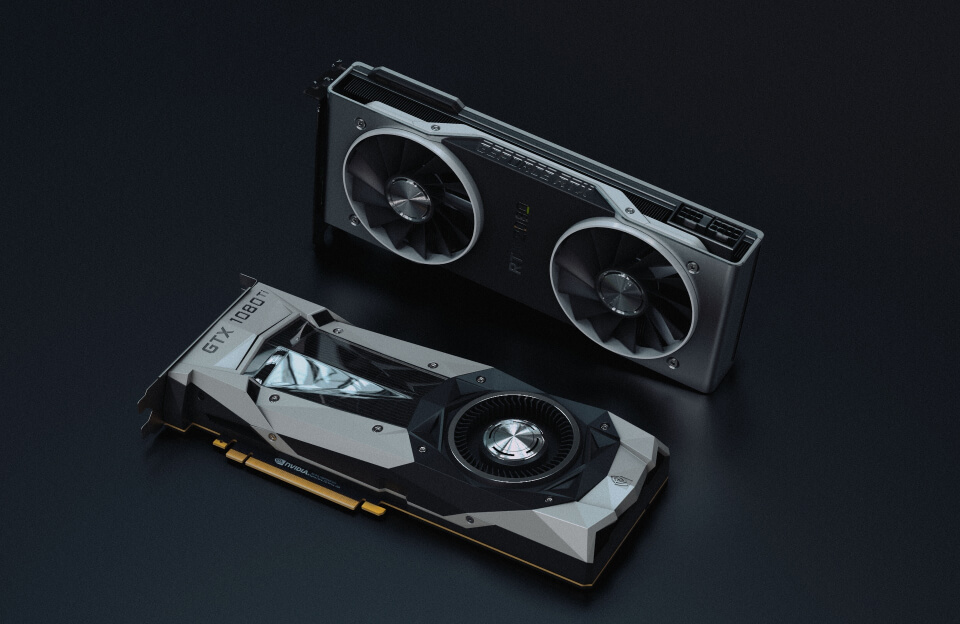
- GPU: Aim for a dedicated card with at least 6 GB of VRAM to run modern games at 1080p. GPUs off‑the‑shelf like the NVIDIA GeForce RTX 3060 or AMD Radeon RX 6600 XT strike a good compromise between cost and performance.
- RAM: 16 GB DDR4 at 3200 MHz is the sweet spot for a 2024 gaming machine, ensuring games and background applications remain snappy.
- Motherboard: Pick a board that matches the CPU socket and chipset, supports your chosen RAM speed, and offers expansion slots for future upgrades. Prefer boards with at least one M.2 slot for SSDs and sufficient PCI‑e 4.0 lanes if you plan to upgrade later.
A practical resource for specifications and power consumption charts is Wikipedia’s entry on the Central processing unit. That link provides trustworthy data on architecture and real‑world usage.
Step 3 – Storage and Motherboard Details
Storage directly influences load times and overall usability. A solid‑state drive (SSD) is a non‑negotiable asset—especially a 500‑GB or 1‑TB NVMe drive. The Solid‑state drive list on Wikipedia lists the technology’s evolution and the bandwidth figures you’d want to match your GPU draw. Complement that with a secondary 1‑to‑2 TB hard‑disk for mass storage if your budget leans tighter.
When selecting the motherboard, confirm that it supports the CPU’s native power specification and has enough I/O ports for your peripherals. Look for connectivity such as USB‑C, HDMI or DisplayPort, and Wi‑Fi 6 if you want future‑proof networking. Also verify the cleaner in case you’ll outfit the case with active cooling—most boards show the recommended CPU cooler size in the package.
Step 4 – Power Supply & Cooling
Power supply units (PSUs) are often a mystery to beginners, yet they underpin your system’s stability. Pick a unit with a 550‑650 W rating, 80 Plus Bronze or higher efficiency, and modular cabling for tidier build aesthetics. The Power supply unit page offers details on certification levels and typical power draws.
For cooling, stock cooler bundles that come with many CPUs suffice for a quiet 1080p gaming rig. If you plan to upgrade to higher‑end components or intend overclocking, opt for more robust solutions—tower air coolers with a 120 mm fan or an AIO liquid cooler around 240 mm. Ensure your case supports the component’s height and airflow pattern.
Final Thoughts – Assemble, Test, Enjoy
Equipped with a well‑budgeted list and confidence in component compatibility, the assembly journey begins. Start by securing the motherboard in the case, inserting the CPU and cooler, and slotting in RAM. Once that foundation is stable, insert the GPU, connect the PSU cables, and attach storage drives. Don’t forget to install a system update firmware through the motherboard’s BIOS, as Manufacturer‑specific BIOS updates often pin critical stability fixes.
Post‑assembly, a quick diagnostics run—boot into Windows, launch DXDiag to confirm driver installations, then stress‑test with a game or reliable benchmark. If everything runs smoothly, you’re ready for the most rewarding part: exploring titles, optimizing settings, and tailoring your experience.
Take the first step: Choose a budget, shop wisely, and start building your future gaming PC today!
Frequently Asked Questions
Q1. What’s the most important component for a gaming PC?
The GPU is the heart of a gaming rig, as it handles all the graphics rendering that games need. While a strong CPU ensures smooth frame rates, a powerful GPU allows you to run titles at higher resolutions and detail settings. For beginners, focusing on a mid‑range card such as the RTX 3060 or RX 6600 XT offers a solid balance between cost and performance. Invest a bit more in the GPU, and you’ll get the best bang for your money when it comes to gaming.
Q2. How much should I budget for a power supply unit?
A 550‑650 W PSU with an 80 Plus Bronze rating is adequate for most entry‑level builds. If you plan to future‑upgrade or overclock, consider a 650‑800 W unit for headroom. Aim to spend about 10–15 % of your total budget on the PSU—including cable management and extra connectors. An efficient, reputable brand can save you headaches down the line.
Q3. Do I need a dedicated cooling system?
Stock coolers bundled with many CPUs are sufficient for a quiet 1080p gaming rig. For higher performance or overclocking, invest in an active cooler like a tower air cooler or a 240 mm AIO liquid cooler. Ensure the case supports the cooler’s height and airflow pattern. Proper ventilation keeps temperatures safe and extends component life.
Q4. Can I use an SSD with a capacity less than 500GB?
Yes, a 256‑GB NVMe SSD can serve as a system drive, but you’ll need large external storage or a secondary HDD for games. Consider a 500‑GB NVMe for a smoother experience with more installed titles. Storage expansion is cheap and can be added later as your game library grows.
Q5. What is the best way to install components to avoid damage?
Always work on a static‑free surface and ground yourself with an anti‑static wrist strap. Handle all parts by their edges, avoiding contact with pins or connectors. Install by following the motherboard manual for component orientation and slot usage. Double‑check all screws and cables before powering up to keep everything secure.