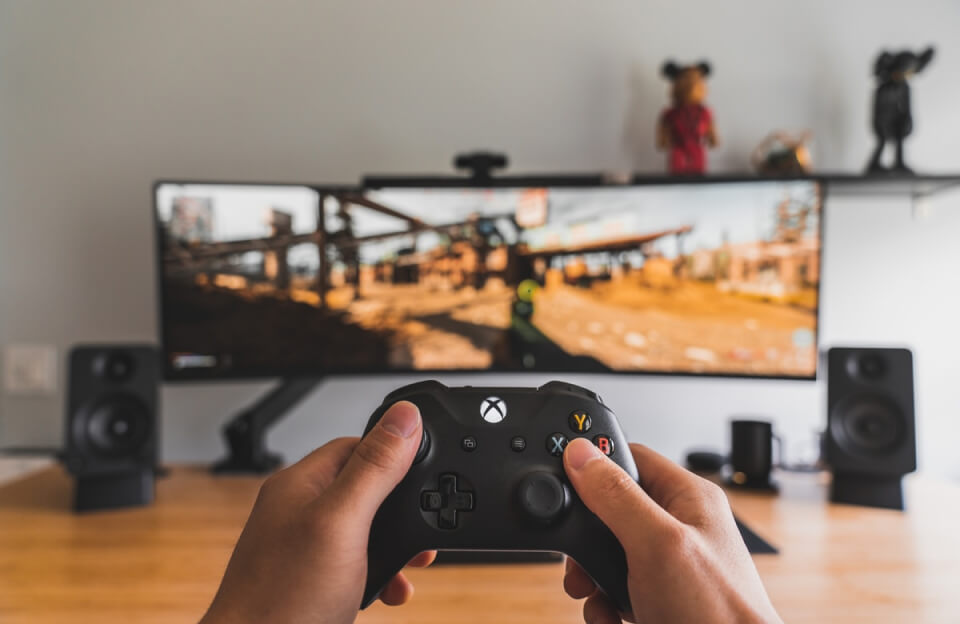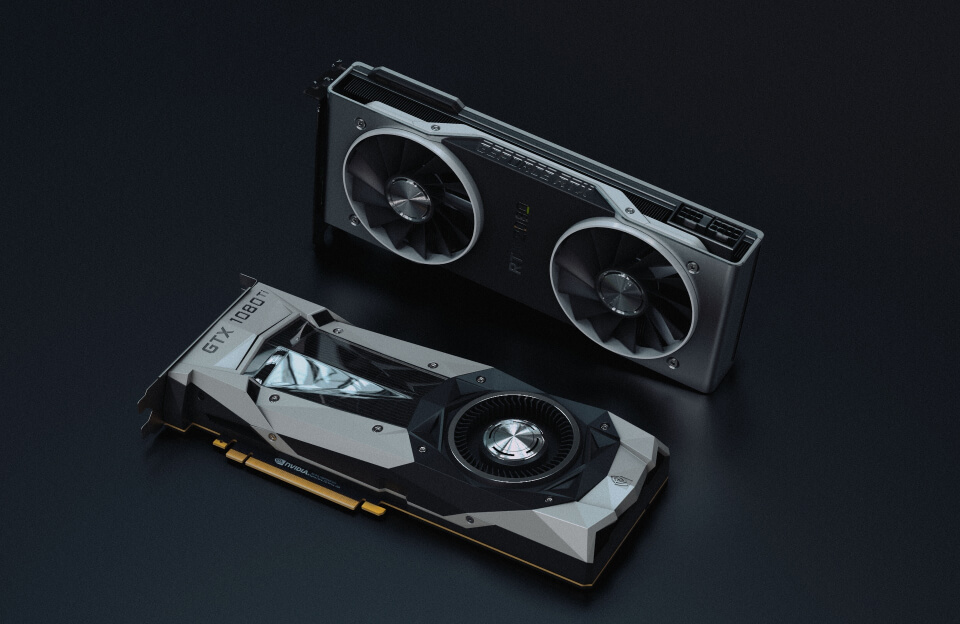
Welcome to the definitive Custom Gaming PC Budget Guide for modern titles. Whether you’re chasing 1080p high‑refresh experiences or aiming for smooth 1440p gameplay, building a system that balances cost and performance is within reach. This guide walks you through every critical decision point—from selecting the right GPU to budgeting for reliable cooling—so you can allocate funds wisely and still hit your desired frame rates.
Custom Gaming PC Budget Guide: Understanding Your Gaming Needs
Before you open a spreadsheet, define the games you plan to play and the visual fidelity you expect. Modern titles like Cyberpunk 2077 or Microsoft Flight Simulator demand significantly more resources than indie releases. Ask yourself:
- What resolution and refresh rate are you targeting?
- Do you need ray tracing or AI‑upscaled graphics?
- Is competitive esports performance (high frame rates at lower settings) more important than cinematic quality?
Answering these questions shapes your component priorities. For 1080p/144 Hz gameplay, a mid‑range GPU paired with a solid CPU often delivers excellent gaming performance without breaking the bank. For 1440p/144 Hz, you’ll need a stronger graphics card and possibly more memory.
Custom Gaming PC Budget Guide: CPU and GPU Selection for Budget Builds
The heart of any gaming PC is its CPU‑GPU pairing. While the GPU traditionally drives frame rates, a bottlenecking CPU can cripple performance, especially in CPU‑heavy titles like Valorant or Rainbow Six Siege. Here are three reliable pairings that respect a tight budget while delivering strong results:
- AMD Ryzen 5 5600 + NVIDIA GeForce RTX 3060 – Ideal for 1080p high‑refresh builds.
- Intel Core i5‑12400F + AMD Radeon RX 6600 XT – Balanced price‑to‑performance for mixed resolutions.
- AMD Ryzen 7 5700G (APU) – Viable ultra‑budget solution when paired with a low‑end GPU like the GTX 1650, handling many e‑sports titles without a separate graphics card.
All three CPUs are built on 7 nm or 10 nm processes, offering good power efficiency – an important factor when managing overall system heat and electricity costs. For the latest pricing, consult reputable retailers and watch for sales around major holidays.
Custom Gaming PC Budget Guide: Memory, Storage, and Motherboard Considerations
Once the core processor and graphics solution are chosen, focus on the supporting components that enable smooth gameplay and fast load times.
- Memory (RAM): 16 GB of DDR4‑3200 is the sweet spot for modern gaming. According to DDR4 specifications, this capacity prevents bottlenecks in most current titles while keeping latency low.
- Storage: An NVMe SSD (e.g., 500 GB–1 TB) dramatically reduces game load times compared to traditional SATA drives. The PCIe 3.0 x4 interface provides up to 3,500 MB/s sequential read speeds, ample for the latest game installations.
- Motherboard: Choose a board that matches your CPU socket (AM4 for Ryzen, LGA1700 for Intel 12th‑gen) and offers at least one M.2 slot, USB‑3.2 ports, and decent VRM cooling. Budget‑friendly models from manufacturers like MSI or ASUS often meet these criteria.
Investing in quality components here pays dividends when you upgrade later. For example, a motherboard with extra PCIe lanes simplifies adding a faster SSD or a secondary GPU in the future.
Custom Gaming PC Budget Guide: Power Supply and Cooling Essentials
Power efficiency and thermal management are often overlooked in budget builds, yet they directly impact component longevity and performance stability.
Power Supply Unit (PSU): Opt for an 80 Plus Bronze certified PSU with a wattage rating 20‑30% higher than your system’s estimated draw. For the configurations listed above, a 550 W to 650 W unit suffices. Brands such as Corsair, Seasonic, or EVGA provide reliable options that meet U.S. Department of Energy efficiency standards.
Cooling: A mid‑tower case with good airflow—front intake fans and rear exhaust—keeps temperatures low without expensive liquid cooling. Pair the case with at least two 120 mm fans (one intake, one exhaust). If you choose a high‑performance CPU, consider adding a low‑profile air cooler (e.g., Cooler Master Hyper 212) to maintain sub‑70 °C core temps during extended sessions.
Custom Gaming PC Budget Guide: Putting It All Together
With the individual parts identified, assemble them thoughtfully to stay within budget while maximizing gaming performance. Follow this streamlined process:
- Install the CPU and RAM onto the motherboard before placing it in the case.
- Mount the M.2 SSD directly onto the motherboard.
- Secure the PSU, route power cables, and connect the 24‑pin and CPU‑12V connectors.
- Mount the GPU into the appropriate PCIe slot, ensuring it receives power from the PSU.
- Attach case fans, double‑check airflow direction, and close the case.
- Power on, enter BIOS to verify component recognition, then install the operating system and latest drivers (especially GPU drivers).
After installation, benchmark your build using free tools like 3DMark to confirm you meet your target frame rates. Adjust graphics settings as needed—most modern titles allow you to toggle DLSS or FSR for a balance between visual fidelity and smooth performance.
Conclusion
Building a Custom Gaming PC Budget Guide–aligned rig empowers you to enjoy today’s most demanding games without overspending. By clearly defining your performance goals, selecting balanced CPU‑GPU pairings, and investing wisely in memory, storage, power, and cooling, you can achieve a reliable, future‑proof setup that delivers consistent frame rates and immersive graphics.