Gaming PC Upgrade Planning is essential for anyone who wants to experience the latest high‑end games at ultra settings without compromising frame rates. Whether you are transitioning from a mid‑range rig or building a new powerhouse, a systematic approach saves money, avoids bottlenecks, and maximizes performance longevity. In this guide we walk through the critical steps, key components, and budgeting tips that turn a modest setup into a high‑performance gaming machine.
Gaming PC Upgrade Planning: Assess Your Current System
Before you purchase a single component, inventory what you already own. Note the CPU model, GPU generation, RAM capacity, storage type, power supply wattage, and case dimensions. Use tools such as CPU overview to capture exact specifications. Understanding the baseline helps you identify genuine upgrade paths versus unnecessary replacements.
Take screenshots of benchmark results from popular tools like benchmark suites. Comparing scores against recommended hardware lists for games such as Red Dead Redemption 2 will reveal precise weak points.
Gaming PC Upgrade Planning: Define Performance Goals
Set clear, measurable objectives. Do you aim for 144 Hz at 1440p with ray tracing enabled? Or perhaps 4K 60 fps with maximum visual fidelity? Having a target resolution, refresh rate, and graphical settings will guide component selection and prevent over‑spending on parts that offer marginal gains.
Consider your monitor’s native resolution and refresh rate. A 144 Hz 1440p display benefits from a GPU that can consistently deliver 100+ fps, while a 4K 60 Hz panel prioritizes raw pixel throughput. Aligning goals with your display prevents unnecessary GPU expenditure.
Gaming PC Upgrade Planning: Prioritize the GPU
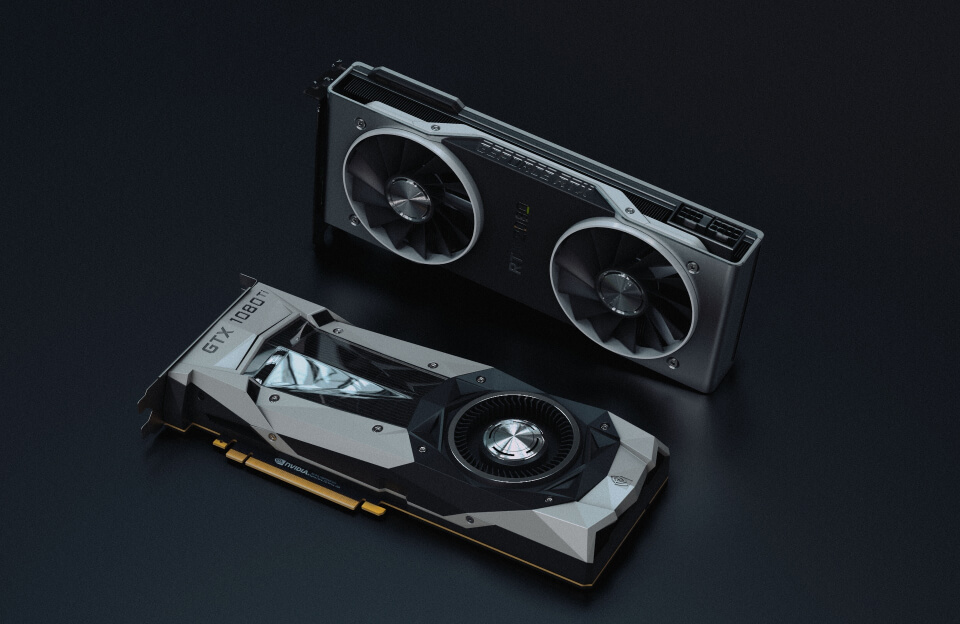
The graphics card is the heart of high‑end gaming. Modern titles such as Cyberpunk 2077 and Microsoft Flight Simulator rely heavily on GPU horsepower, especially when ray tracing or DLSS is enabled. When choosing a GPU, consider the following factors:
- VRAM size – 8 GB is the absolute minimum for 1440p; 12 GB or more is advisable for 4K.
- Architecture – Look for cards built on recent nodes like NVIDIA’s Ada Lovelace or AMD’s RDNA 3.
- Power draw – Ensure your PSU can sustain the card’s TDP plus headroom.
- Future driver support – Established manufacturers often provide longer‑term optimizations.
When ray tracing is enabled, performance can drop dramatically on older GPUs. Technologies like NVIDIA’s DLSS 3 or AMD’s FidelityFX Super Resolution (FSR) upscale lower‑resolution frames, restoring performance without a visual penalty. Selecting a card that supports these upscaling methods future‑proofs your rig for upcoming titles.
For authoritative technical details, consult the Graphics Processing Unit Wikipedia page, which outlines generational improvements and performance benchmarks.
Gaming PC Upgrade Planning: Balance CPU and Memory
A powerful GPU can be throttled by an under‑performing CPU, a phenomenon known as a CPU bottleneck. Pairing a high‑end GPU with a mid‑tier processor may limit frame rates, especially in CPU‑intensive games like Battlefield 2042. When upgrading, aim for a CPU that offers at least a 10‑15 % performance margin over the GPU.
Current high‑end CPUs include AMD’s Ryzen 9 7950X and Intel’s Core i9‑13900K. Both support DDR5 memory, which provides higher bandwidth compared to DDR4. If you’re on a DDR4 platform, assess whether a motherboard that supports DDR5 is within budget; otherwise, upgrade to at least 32 GB of fast DDR4‑3200 RAM to avoid memory bottlenecks.
Modern CPUs also benefit from higher clock speeds when paired with high‑speed RAM. If you opt for DDR5, look for kits rated 5600 MT/s or higher to fully exploit the CPU’s memory controller. Ensure the motherboard BIOS is updated to the latest version to guarantee stable operation at these speeds.
When overclocking, increase the CPU multiplier in small increments and monitor temperatures with reliable software. Maintain a balance between performance gains and thermal headroom to avoid throttling.
For a deeper dive into why a CPU can limit performance, see the CPU bottleneck article.
Power Supply and Cooling Considerations
A stable power supply is non‑negotiable. High‑end GPUs can demand 300 W or more, while top‑tier CPUs may add another 150 W. A quality 80 Plus Gold PSU rated for 750 W typically offers sufficient headroom for most single‑GPU builds. For multi‑GPU or extreme overclocking setups, consider 850 W or higher.
Modular PSUs reduce cable clutter, improving airflow within the case. Look for certifications like 80 Plus Gold or Platinum, which guarantee efficiency above 87 % at typical loads.
Effective cooling protects components and maintains boost clocks. Evaluate case airflow, install additional fans, or opt for an AIO liquid cooler for the CPU. The Tom’s Hardware website provides thorough reviews of cooling solutions and PSU efficiency ratings.
Future‑Proofing and Upgrade Path
Technology evolves quickly, but strategic planning can extend the relevance of your rig. Here are three tips to future‑proof your gaming PC:
- Choose a motherboard with PCIe 5.0 slots and ample M.2 NVMe slots for forthcoming GPU and storage upgrades.
- Invest in a case with modular drive bays to accommodate larger GPUs or additional radiators.
- Keep an eye on emerging standards such as HDMI 2.1 and DisplayPort 2.0 for next‑generation monitors.
Choosing a monitor with Adaptive Sync (FreeSync or G‑Sync) synchronizes refresh rates with the GPU, eliminating screen tearing and providing smoother gameplay. Ensure the GPU you select is compatible with the monitor’s sync technology.
When disposing of old components, follow the EPA e‑waste guidelines to recycle responsibly.
Budget Allocation Checklist
Below is a practical checklist to allocate your budget based on performance priorities:
- GPU – 40‑50 %: Allocate the largest portion to the graphics card.
- CPU – 20‑25 %: Ensure the processor can keep pace with the GPU.
- RAM – 10‑15 %: Opt for high‑speed DDR5 or sufficient DDR4 capacity.
- PSU & Cooling – 10 %: Invest in reliable power and adequate cooling.
- Storage – 5‑10 %: NVMe SSDs dramatically reduce load times.
To stretch your budget further, consider buying slightly older flagship models that have dropped in price but still deliver excellent performance. Refurbished units from reputable sellers often come with warranties and can provide significant savings.
Conclusion
Effective Gaming PC Upgrade Planning transforms a dated rig into a machine capable of conquering the most demanding titles at ultra settings. By assessing your current hardware, defining clear performance goals, prioritizing the GPU, balancing the CPU and memory, and ensuring robust power and cooling, you create a harmonious system that maximizes both performance and value.
Ready to level up your gaming experience? Start your upgrade journey today by selecting the components that match your performance goals and budget. Visit our PC builder tool, compare prices, and let us help you assemble a future‑proof gaming powerhouse.
Frequently Asked Questions
Q1. How can I determine which component needs upgrading first?
Start by benchmarking your current system and identifying the lowest-scoring part relative to your target resolution and frame rate. For most gamers, the GPU is the first bottleneck, but CPU‑intensive titles may point to a processor upgrade. Comparing scores against the game’s recommended specs helps prioritize.
Q2. Is it worth buying a slightly older flagship GPU to save money?
Yes. Previous‑generation flagship cards often drop in price after a new release but still deliver excellent performance, especially when paired with upscaling technologies like DLSS or FSR. They can meet high‑end targets at a lower cost, extending your budget without sacrificing much.
Q3. What RAM speed should I aim for with a new DDR5‑compatible motherboard?
Modern DDR5 kits start around 5600 MT/s, and most high‑end CPUs achieve their best performance with 6000 MT/s or higher. If your budget is limited, 5600 MT/s is a solid baseline, but investing in 6000 MT/s+ kits provides extra future‑proofing for memory‑intensive games.
Q4. How do I calculate the required wattage for my power supply?
Use an online PSU calculator or add the TDP of each major component (GPU, CPU, drives, fans) and add a 20‑30% safety margin. A typical 1440p high‑end build with a 300 W GPU and a 150 W CPU usually needs a 750 W 80 Plus Gold unit. More demanding multi‑GPU or heavy overclocking setups may require 850 W or more.
Q5. Can I upgrade my cooling solution without changing the case?
Often you can. Many midsize towers support 240 mm or 280 mm AIO radiators and additional case fans. Check the clearance specifications for radiator length and fan placement. If space is limited, high‑performance air coolers with large heatsinks can also keep temperatures in check.