When you’re chasing buttery‑smooth gameplay on ultra‑high settings, a solid Gaming PC Upgrade Guide is essential. The right combination of CPU, GPU, memory, storage, cooling, and power supply can transform a mid‑range rig into a high‑end powerhouse capable of 4K, 144 Hz, or even 240 Hz displays. This guide walks you through each critical component, ensuring you make informed decisions that deliver the best performance for your budget.
Gaming PC Upgrade Guide: Selecting the Right CPU
The central processing unit (CPU) is the brain of your gaming machine. For high‑settings gaming, you’ll want a processor that can keep up with modern titles and future releases. Current leaders include the Intel Core i9‑13900K and the AMD Ryzen 9 7950X. Both offer 16–24 cores and high boost clocks, which are crucial for CPU‑bound games like Microsoft Flight Simulator or Microsoft Flight Simulator 2020. When choosing, consider:
- Core count and thread support
- Base and boost clock speeds
- Integrated graphics (if you plan to use a single GPU later)
- Compatibility with your motherboard’s chipset
- Thermal design power (TDP) and cooling requirements
Gaming PC Upgrade Guide: Choosing a High‑Performance GPU
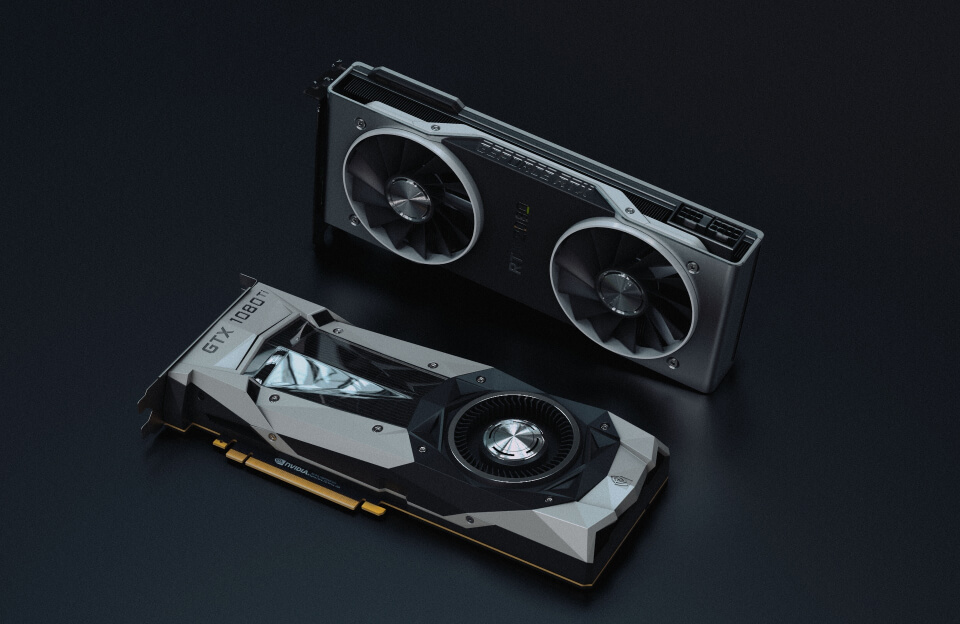
The graphics card is the most visible upgrade for high‑settings gaming. A powerful GPU can unlock higher frame rates, better visual fidelity, and support for ray tracing. The NVIDIA GeForce RTX 4090 and the AMD Radeon RX 7900 XTX are top choices for 4K and 144 Hz displays. When evaluating GPUs, pay attention to:
- Memory size and type (e.g., 24 GB GDDR6X)
- Memory bandwidth and bus width
- Ray‑tracing cores and DLSS/FSR support
- Power consumption and connector requirements
- Cooling solution (dual‑fan, triple‑fan, or liquid)
Gaming PC Upgrade Guide: Maximizing Memory and Storage
RAM and storage are often overlooked but can dramatically affect load times and multitasking. For high‑settings gaming, 16 GB is the minimum, but 32 GB is recommended for future‑proofing and running background applications like streaming software. Opt for DDR5 modules with speeds of 6000 MHz or higher for the best performance. Storage should combine speed and capacity: a 1 TB NVMe SSD for your operating system and favorite titles, supplemented by a 2–4 TB SATA SSD or HDD for additional games and media. The Best SSD for Gaming list highlights the fastest options available.
Gaming PC Upgrade Guide: Cooling and Power Considerations
High‑performance components generate significant heat and draw substantial power. A robust cooling solution—whether air or liquid—keeps temperatures low, ensuring consistent performance and longevity. The Best Coolers for Gaming PC guide recommends all‑in‑one liquid coolers for CPUs like the i9‑13900K or Ryzen 9 7950X, and high‑efficiency air coolers for budget builds. Power supplies should provide at least 80 + Gold efficiency and enough wattage to support your GPU and CPU under load. For a 4090‑level build, a 850–1000 W PSU is typical.
Conclusion: Your Path to Peak Performance
By following this Gaming PC Upgrade Guide, you’ll assemble a system that delivers stunning visuals, smooth frame rates, and the flexibility to tackle tomorrow’s games. Remember to match each component’s capabilities, keep an eye on thermal limits, and invest in quality power delivery. Whether you’re upgrading an existing rig or building from scratch, the right choices will keep you ahead of the curve in high‑settings gaming.
Ready to start your Gaming PC Upgrade Guide? Upgrade now and experience gaming like never before!
Frequently Asked Questions
Q1. What is the most important component to upgrade first for better gaming performance?
It depends on your current bottleneck. If your games are CPU‑bound, a newer processor will give the biggest lift. If you’re limited by frame rates, a high‑end GPU is the priority. Often, upgrading both in tandem yields the best overall experience.
Q2. How much RAM is recommended for future‑proofing?
For most gamers, 32 GB of DDR5 is the sweet spot. It covers modern titles, streaming, and multitasking without hitting memory limits. If you plan to run heavy workloads or virtual machines, 64 GB may be worth considering.
Q3. Should I use air or liquid cooling for high‑end CPUs?
Air coolers are reliable, quieter, and easier to maintain, making them great for budget builds. Liquid coolers offer lower temperatures and higher overclocking headroom, ideal for enthusiast rigs. Choose based on noise tolerance, space, and budget.
Q4. What PSU wattage is needed for an RTX 4090 build?
The RTX 4090 can draw up to 450 W under load, so a 850–1000 W PSU with 80 + Gold efficiency is recommended. This ensures headroom for the CPU, storage, and peripherals. Opt for a modular design for cleaner cable management.
Q5. Can I use integrated graphics if I plan to add a GPU later?
Yes, many CPUs come with integrated GPUs that can serve as a backup or for light tasks. However, for high‑settings gaming, a dedicated GPU is essential. Integrated graphics are best for troubleshooting or as a temporary solution.