When you’re chasing the next open‑world adventure, the difference between a smooth, immersive experience and a stuttering, lag‑filled nightmare often comes down to how well your PC is tuned for that genre. Open‑world titles demand high frame rates, rapid loading times, and the ability to render vast, detailed environments without breaking a sweat. Upgrading a gaming PC for open‑world performance isn’t just about buying the newest GPU; it’s a holistic approach that balances CPU, memory, storage, cooling, and power. In this guide, we’ll walk through the key components and strategies that will keep your virtual worlds running at their best.
CPU: The Heart of Open-World Performance
Modern open‑world games rely heavily on multi‑core processing to handle AI, physics, and dynamic lighting. A powerful CPU ensures that the game logic keeps pace with the GPU’s rendering workload. When selecting a processor, look for:
- High core count (8 cores or more) and strong single‑thread performance.
- Support for PCIe 4.0 or newer to maximize bandwidth for SSDs and GPUs.
- Efficient power consumption to keep temperatures manageable.
For example, the AMD Ryzen 9 7950X offers 16 cores and 32 threads, delivering excellent performance in titles like Elden Ring and Red Dead Redemption 2. Intel’s Core i9‑13900K is another top choice, especially if you plan to overclock for an extra performance boost. Both CPUs are supported by the latest motherboards that provide robust VRM designs and ample expansion slots.
GPU: Rendering Vast Landscapes
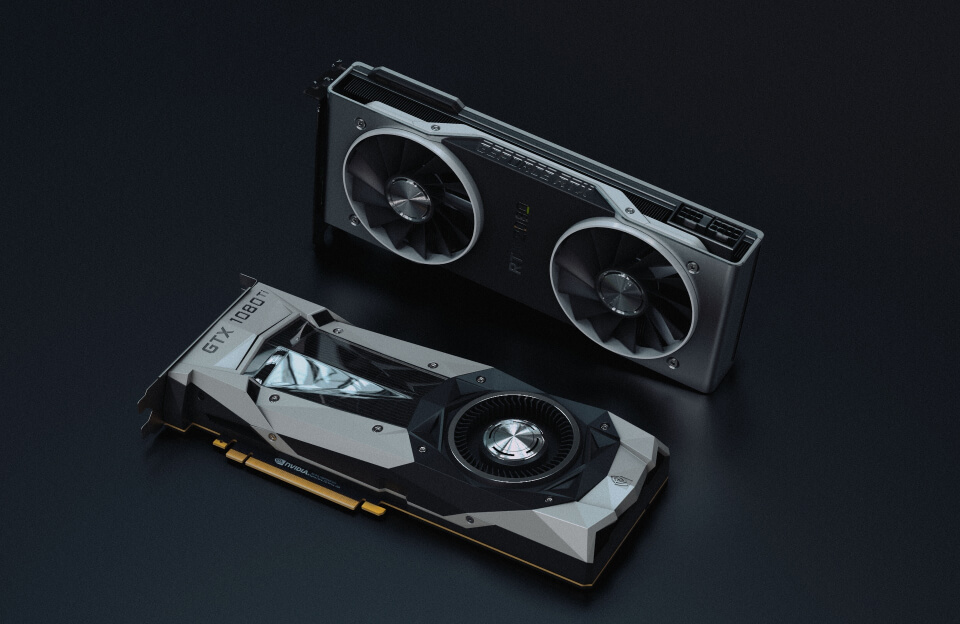
The graphics card is the most visible component in open‑world performance. It handles the rendering of complex terrain, foliage, and real‑time lighting. When upgrading your GPU, consider:
- Memory size (8 GB or more) to accommodate high‑resolution textures.
- Ray‑tracing support if you want realistic reflections and shadows.
- DLSS or FSR technology to upscale lower resolutions for higher frame rates.
Current leaders include the NVIDIA GeForce RTX 4080 and the AMD Radeon RX 7900 XTX. Both cards deliver 4K performance in most open‑world titles, but the RTX 4080’s DLSS 3 can provide a significant frame‑rate lift in demanding scenes. For a more budget‑friendly option, the RTX 3060 Ti or RX 6800 XT still offer solid performance at 1440p.
RAM & Storage: Keeping Worlds Fluid
Open‑world games often preload large amounts of data to reduce loading times. Sufficient RAM ensures that the game can keep these assets in memory, while fast storage keeps the data pipeline flowing. Recommendations:
- 16 GB of DDR5 RAM at 6000 MHz or higher for future‑proofing.
- NVMe SSDs with read/write speeds above 3500 MB/s to minimize load times.
- Consider a secondary SSD or HDD for additional storage if you plan to keep a large library of games.
Installing a 1 TB NVMe drive as your primary OS and game drive, paired with a 2 TB secondary SSD for additional titles, strikes a good balance between speed and capacity.
Cooling & Power: Sustaining Long Sessions
Extended play sessions can push components to their limits. Proper cooling and a reliable power supply are essential to maintain performance and longevity. Key points:
- Choose a high‑quality air cooler or AIO liquid cooler that can handle the CPU’s TDP.
- Ensure the case has good airflow with at least two intake and two exhaust fans.
- Opt for a PSU with 80+ Gold certification and a wattage rating that exceeds your total system draw by 20‑30 %.
For example, the Corsair iCUE H150i Elite Capellix provides excellent cooling for high‑end CPUs, while the Seasonic Focus PX‑750 offers clean, efficient power for a GPU‑heavy build.
Upgrade Checklist
- Assess your current CPU and GPU performance in open‑world titles.
- Determine your budget and prioritize the component that will deliver the biggest performance lift.
- Purchase a compatible motherboard with the latest chipset and sufficient PCIe lanes.
- Install the new CPU, cooler, and RAM, then update BIOS and drivers.
- Upgrade the GPU, ensuring the PSU can handle the new power draw.
- Replace or add NVMe SSDs for faster load times.
- Verify cooling airflow and adjust fan curves for optimal temperatures.
- Run benchmark tests and compare frame rates before and after the upgrade.
Conclusion: Elevate Your Open‑World Experience
Upgrading a gaming PC for open‑world performance is a strategic investment that pays off in smoother gameplay, faster loading, and a more immersive experience. By focusing on a balanced CPU, GPU, memory, storage, and cooling solution, you’ll ensure that every sprawling landscape, bustling city, and hidden secret feels as real as possible. Don’t let outdated hardware hold you back from exploring the next epic adventure.
Ready to level up? Start by evaluating your current setup, then choose the components that align with your performance goals and budget. Visit Graphics Processing Unit for more technical details, check out CPU specifications, and explore the latest GPU options on NVIDIA GeForce. For in‑depth reviews and buying guides, TechSpot and CNET provide reliable, up‑to‑date information. Upgrade today and unlock the full potential of your open‑world adventures.
Frequently Asked Questions
Q1. What is the most important component for open‑world performance?
The CPU is critical because open‑world games rely heavily on multi‑core processing for AI, physics, and dynamic lighting. A powerful processor keeps game logic in sync with the GPU, preventing bottlenecks. While a strong GPU is also essential, a weak CPU can throttle overall performance.
Q2. How much RAM do I need for modern open‑world titles?
16 GB of DDR5 RAM at 6000 MHz or higher is the minimum recommendation for most current games. This allows the system to preload large assets and maintain smooth frame rates. If you plan to stream or run multiple applications simultaneously, consider 32 GB for future‑proofing.
Q3. Should I prioritize a high‑end GPU or a better cooling solution?
Both are important, but a high‑end GPU often delivers the biggest visual improvement. However, without adequate cooling, the GPU and CPU can throttle under load, negating performance gains. Aim for a balanced build where cooling supports the chosen GPU’s power draw.
Q4. What storage type gives the fastest load times in open‑world games?
NVMe SSDs with read/write speeds above 3500 MB/s provide the quickest load times. A 1 TB NVMe drive as the primary OS and game drive, paired with a secondary SSD for additional titles, offers a good mix of speed and capacity.
Q5. How can I ensure my PSU can handle a new GPU upgrade?
Check the GPU’s TDP and add 20‑30 % headroom for the entire system. An 80+ Gold certified PSU with a wattage rating that exceeds your total draw is recommended. For example, a 750 W PSU is suitable for most RTX 4080 builds.