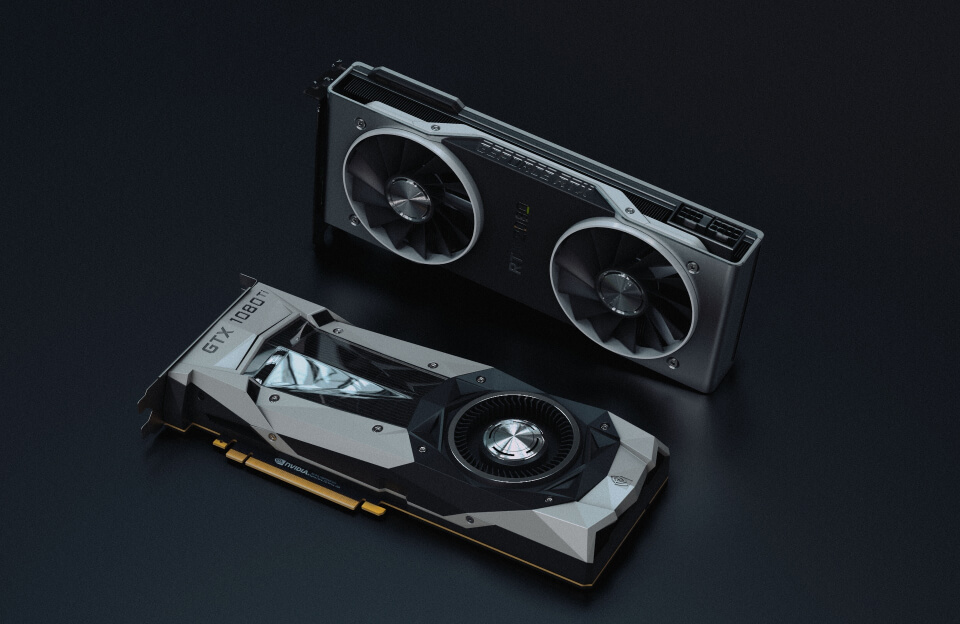
Upgrading a Gaming PC can dramatically improve frame consistency, turning a jittery experience into a smooth, immersive adventure. Whether you’re chasing 144 Hz on a high‑refresh monitor or simply want to reduce stutter in your favorite titles, the right hardware choices and thoughtful configuration can make all the difference. In this guide, we’ll walk through the key components, practical steps, and best practices for upgrading a gaming PC to achieve consistent, high‑quality frames.
Upgrading a Gaming PC: Choosing the Right GPU
The graphics card is the heart of any gaming rig. Modern titles demand more VRAM and higher clock speeds, so selecting a GPU that matches your resolution and refresh rate is essential. For 1080p gaming, a mid‑range card such as the NVIDIA GeForce RTX 3060 or AMD Radeon RX 6600 XT offers excellent performance. For 1440p or 4K, consider the RTX 4070 Ti or RX 7900 XTX, which provide the necessary throughput to maintain stable frame rates.
When evaluating GPUs, pay attention to the following metrics:
- VRAM size – 6 GB is the minimum for 1080p, while 8 GB or more is recommended for 1440p.
- Memory bandwidth – Higher bandwidth reduces bottlenecks during texture‑heavy scenes.
- Core clock and boost clock – These determine how quickly the GPU can process frames.
- Thermal design power (TDP) – A higher TDP may require better cooling to avoid thermal throttling.
For detailed specifications, consult the official product pages: NVIDIA GeForce RTX 3060 and AMD Radeon RX 6600 XT.
Upgrading a Gaming PC: Optimizing the CPU and Memory
A powerful GPU can be hampered by an underpowered CPU or insufficient RAM. Modern games often rely on multi‑core performance, so a processor with at least 6 cores and 12 threads is advisable. The AMD Ryzen 7 5800X or Intel Core i7‑13700K provide excellent single‑thread and multi‑thread performance, reducing frame drops caused by CPU bottlenecks.
Memory plays a critical role in frame consistency. Aim for 16 GB of DDR4 or DDR5 RAM at 3200 MHz or higher. Faster memory reduces latency and improves cache efficiency, which can translate to smoother gameplay. If you’re building a future‑proof system, consider 32 GB for demanding titles or streaming workloads.
To learn more about CPU architecture and its impact on gaming, see the CPU Wikipedia page and the NVIDIA RTX technology overview.
Upgrading a Gaming PC: Enhancing Cooling and Power Delivery
Consistent frame rates depend on stable temperatures. Overheating can trigger thermal throttling, causing the GPU or CPU to down‑clock and produce stutter. Invest in a high‑quality CPU cooler—air or liquid—and ensure your case has adequate airflow. A dual‑fan intake and dual‑fan exhaust setup is a reliable baseline.
Power delivery is equally important. A 650 W or higher PSU from a reputable brand (80 + Gold or better) guarantees sufficient headroom for peak loads. Check the power connectors: modern GPUs often require one or two 8‑pin PCIe connectors, while CPUs may need a 12‑pin or 8‑pin EPS connector.
For guidance on selecting a PSU, refer to the NVIDIA PSU recommendation guide and the University of Engineering & Technology thermal management study.
Upgrading a Gaming PC: Fine‑Tuning Software and Drivers
Hardware upgrades are only part of the equation. Keeping drivers up to date ensures that the GPU can communicate efficiently with the operating system and games. Use the official driver download pages for NVIDIA or AMD, and enable automatic driver updates if available.
In addition, tweak in‑game settings to balance visual fidelity and frame consistency. Lowering shadow quality, disabling motion blur, and enabling V‑Sync or G‑Sync can reduce micro‑stutters. For 144 Hz monitors, consider using a frame‑rate limiter to cap frames just below the refresh rate, preventing tearing while maintaining smoothness.
To understand how V‑Sync and adaptive sync technologies work, read the Wikipedia page on Vertical Synchronization and the NVIDIA G‑Sync guide.
Upgrading a Gaming PC: A Step‑by‑Step Checklist
Below is a concise checklist to guide you through the upgrade process:
- Assess your current system’s bottlenecks (CPU, GPU, RAM, storage).
- Choose a GPU that matches your resolution and refresh rate.
- Select a compatible CPU and motherboard with sufficient PCIe lanes.
- Upgrade RAM to 16 GB or more, ensuring matching speeds.
- Install a high‑quality cooler and improve case airflow.
- Replace or upgrade the PSU to meet power demands.
- Update all drivers and firmware.
- Configure in‑game settings for optimal frame consistency.
- Monitor temperatures and frame rates using tools like MSI Afterburner.
- Iterate on settings until you achieve smooth gameplay.
Upgrading a Gaming PC: Final Thoughts and Call to Action
Upgrading a Gaming PC for better frame consistency is a strategic blend of hardware selection, thermal management, and software optimization. By focusing on the GPU, CPU, memory, cooling, and driver updates, you can transform a laggy experience into a fluid, high‑performance adventure. Remember to keep an eye on future releases—new GPUs and CPUs often bring significant performance gains that can further enhance frame stability.
Ready to level up your gaming rig? Start by evaluating your current setup, then follow the checklist above to make informed upgrades. For more detailed guides and community support, visit TechRadar and Tom’s Hardware. Happy gaming, and may your frames stay consistent!
Frequently Asked Questions
Q1. What is the most important component to upgrade for frame consistency?
The GPU is usually the biggest factor, but a balanced CPU and enough RAM are also crucial. A powerful card can be throttled by a weak processor or insufficient memory, leading to stutter. Choosing a GPU that matches your resolution and refresh rate is the first step.
Q2. How much VRAM do I need for 1080p gaming?
For most modern titles, 6 GB of VRAM is the minimum for 1080p. If you plan to play graphically demanding games or use high‑resolution textures, 8 GB or more is recommended to avoid texture pop‑in and stutter.
Q3. Should I invest in a liquid cooler or a high‑end air cooler?
Both can keep temperatures low, but a quality air cooler is often sufficient for most builds and is easier to maintain. Liquid coolers are beneficial if you plan to overclock heavily or have a cramped case.
Q4. How do I prevent thermal throttling on my GPU?
Ensure proper airflow with at least two intake and two exhaust fans, use a high‑quality thermal paste, and keep the GPU fan curve balanced. Monitoring tools like MSI Afterburner can help you spot temperature spikes before they cause throttling.
Q5. What is the best way to keep drivers up to date?
Use the official NVIDIA or AMD driver download pages and enable automatic updates if available. Regularly check for firmware updates for your motherboard and SSD, as these can also improve stability.