When you’re chasing that buttery‑smooth gameplay, frame consistency is as crucial as raw frame rate. A stable 60 fps is far more enjoyable than a wildly fluctuating 30–90 fps. If you’re finding your titles jittering or stuttering, it’s time to consider Upgrading a Gaming PC for better frame consistency. This guide walks you through the most effective hardware upgrades, from GPUs to cooling, that will keep your frames steady and your gaming experience seamless.
Upgrading a Gaming PC: Choosing the Right GPU
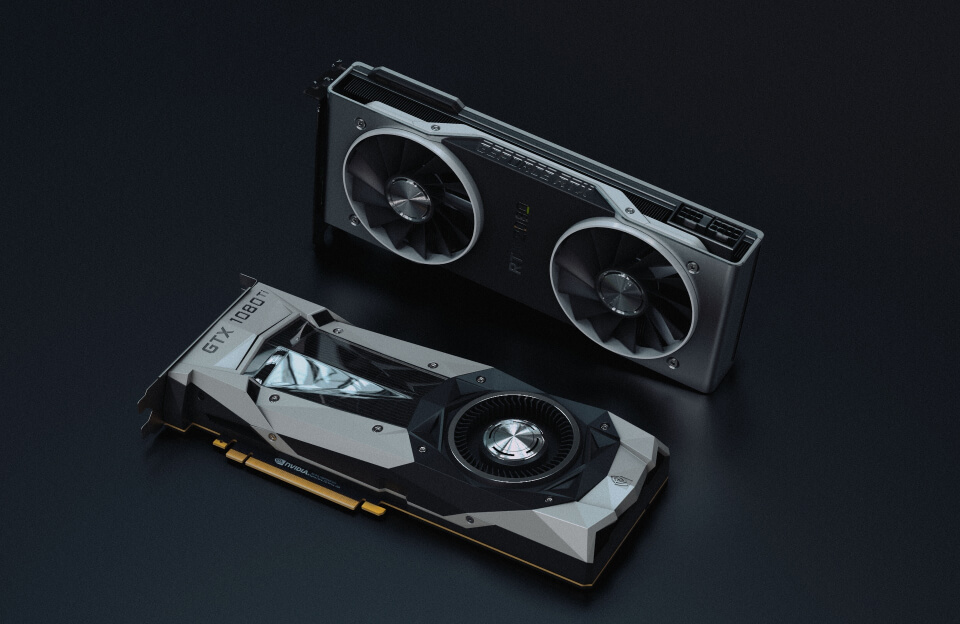
The graphics card is the heart of any gaming rig. Even the most powerful CPU can’t compensate for a bottlenecked GPU, and vice versa. When selecting a new GPU, look for models that balance performance, VRAM, and power consumption. Modern titles often require 8 GB or more of VRAM for 1440p or 4K gaming, so a card with ample memory will prevent texture swapping and frame drops.
Consider the following when picking a GPU:
- Performance Tier – Compare benchmarks from reputable sites like Wikipedia’s GPU page to see how cards stack up in your target resolution.
- VRAM Capacity – 6 GB is the minimum for 1080p, 8 GB for 1440p, and 10–12 GB for 4K. More VRAM reduces texture streaming stalls.
- Thermal Design Power (TDP) – A higher TDP means more heat; ensure your case can handle it.
- Ray‑Tracing & DLSS Support – Future‑proofing features can keep your system relevant longer.
Upgrading to a newer GPU often eliminates micro‑stutters caused by driver inefficiencies and improves overall frame pacing. Pair it with a compatible power supply (see below) to avoid voltage hiccups that can trigger frame drops.
Upgrading a Gaming PC: Optimizing Cooling Solutions
Thermal throttling is a silent killer of frame consistency. When your CPU or GPU overheats, the system automatically reduces clock speeds to protect hardware, leading to sudden frame drops. A robust cooling strategy keeps temperatures stable and frames steady.
Key cooling upgrades include:
- High‑Quality Air Coolers – Look for models with large heatsinks and multiple fans. Brands like Noctua and be quiet! offer reliable performance.
- All‑In‑One (AIO) Liquid Coolers – A 240‑mm or 280‑mm AIO can deliver lower temperatures than air coolers, especially in cramped cases.
- Case Fans & Airflow Management – Ensure at least one intake and one exhaust fan. Use a fan controller to balance noise and cooling.
- Thermal Paste – Reapply high‑quality paste (e.g., Arctic MX‑4) to improve heat transfer.
Additionally, keep your case dust‑free. Dust accumulation can block airflow, raising temperatures and causing throttling. A simple cleaning routine can extend component life and maintain frame consistency.
Upgrading a Gaming PC: Enhancing Storage for Faster Load Times
While storage upgrades don’t directly affect frame rates, they reduce stutter caused by data loading. An SSD, especially an NVMe drive, can dramatically cut load times and prevent texture pop‑ins that disrupt frame pacing.
When selecting an SSD, consider:
- Read/Write Speeds – Look for sequential speeds above 3,500 MB/s for NVMe.
- Form Factor – M.2 NVMe is the most space‑efficient and offers the best performance.
- Capacity – 500 GB is a good starting point; 1 TB is ideal for large libraries.
- Reliability – Check endurance ratings (TBW) and warranty periods.
Installing your operating system and most demanding games on the SSD ensures that data is fetched quickly, keeping the GPU fed with textures and reducing micro‑stutters. For reference, see Wikipedia’s SSD page for technical details.
Upgrading a Gaming PC: Power Supply Considerations
A reliable power supply unit (PSU) is essential for consistent performance. Voltage fluctuations can cause the GPU or CPU to throttle, leading to frame drops. Choose a PSU with enough headroom for your components and a high efficiency rating.
Key PSU attributes:
- Wattage – Calculate total power draw and add 20–30% for safety.
- 80 Plus Rating – 80 Plus Gold or Platinum ensures efficient power delivery.
- Modular Cables – Reduce clutter and improve airflow.
- Brand Reputation – Stick with well‑known manufacturers like Seasonic, Corsair, or EVGA.
For a deeper understanding of PSU efficiency, consult the U.S. Department of Energy’s Energy Saver page. A solid PSU keeps your system stable, preventing the voltage dips that cause frame inconsistency.
Upgrading a Gaming PC: Fine‑Tuning Software Settings
Hardware upgrades are only part of the equation. Software tweaks can further smooth frame pacing. Start by updating drivers to the latest stable releases from NVIDIA or AMD. Enable features like NVIDIA’s G-Sync or AMD’s FreeSync to synchronize the monitor’s refresh rate with the GPU’s output, eliminating tearing and stutter.
Other useful settings include:
- V-Sync – Turns on vertical sync to cap frame rate to the monitor’s refresh rate.
- Frame Rate Limiters – Use tools like RivaTuner or MSI Afterburner to cap frames, reducing GPU load spikes.
- Game Mode – Windows 10/11’s Game Mode prioritizes CPU resources for gaming.
- Background Processes – Disable unnecessary services to free RAM and CPU cycles.
Monitoring tools such as HWMonitor or MSI Afterburner can help you track temperatures and clock speeds, ensuring your upgrades are delivering the expected stability.
Upgrading a Gaming PC: The Bottom Line
Frame consistency is the hallmark of a polished gaming experience. By strategically upgrading your GPU, cooling, storage, and power supply—and fine‑tuning software settings—you can transform a jittery rig into a smooth, responsive machine. Remember, the goal isn’t just higher frame rates; it’s steady, reliable performance that keeps you immersed in the game.
Ready to level up? Upgrade your gaming PC today for smoother gameplay, and experience the difference that consistent frames can make. Don’t let frame drops hold you back—invest in the hardware that delivers the performance you deserve.
Frequently Asked Questions
Q1. What is frame consistency and why is it important?
Frame consistency refers to the steadiness of frame delivery during gameplay, ensuring that each frame arrives at a regular interval. It matters because irregular frame pacing can cause noticeable stutter, tearing, and a less immersive experience, even if the average frame rate is high. Consistent frames keep motion fluid and reduce eye strain, making games feel more responsive and enjoyable.
Q2. Which GPU upgrade gives the best improvement in frame consistency?
Upgrading to a modern GPU with ample VRAM—such as an RTX 4070 Ti or RX 7900 XT—provides the most noticeable boost in frame consistency. These cards feature advanced driver optimizations, higher memory bandwidth, and better thermal design, which reduce micro‑stutters caused by driver inefficiencies and thermal throttling. Pairing the GPU with a compatible power supply and adequate cooling further stabilizes performance.
Q3. How does cooling affect frame consistency?
Effective cooling prevents thermal throttling, where the CPU or GPU lowers its clock speed to avoid overheating. When temperatures stay within safe limits, the components maintain their peak performance, resulting in steady frame rates. Upgrading to a high‑quality air cooler, an AIO liquid cooler, or improving case airflow can significantly reduce temperature spikes and keep frames consistent.
Q4. Should I upgrade storage for better frame consistency?
While storage speed doesn’t directly influence frame rates, a fast NVMe SSD reduces texture pop‑ins and load‑time stutters that can disrupt frame pacing. Installing the operating system and frequently played titles on an NVMe drive ensures quick data access, keeping the GPU fed with textures and minimizing micro‑stutters during gameplay.
Q5. What software tweaks can help maintain steady frames?
Updating GPU drivers, enabling G‑Sync or FreeSync, and using frame rate limiters like RivaTuner or MSI Afterburner can smooth out frame delivery. Disabling background processes, turning on Windows Game Mode, and adjusting in‑game settings such as V‑Sync or motion blur also help reduce frame irregularities. Monitoring tools like HWMonitor allow you to track temperatures and clock speeds to verify that your hardware upgrades are delivering the expected stability.