When you’re aiming for a 1440p Ultra Gaming PC Setup, the goal isn’t just high resolution—it’s about delivering buttery smooth gameplay, razor‑sharp visuals, and a fully optimized experience that keeps you ahead in the competitive arena. A well‑planned system balances cutting‑edge hardware, a meticulously chosen monitor, precise component pairing, and fine‑tuned software. This guide breaks each pillar down so you can build or upgrade with confidence, keep your Electron‑E-A-T (Experience, Expertise, Authoritativeness, Trustworthiness) score high, and achieve that pristine 1440p Ultra look on every title.
Choosing the Right 1440p Monitor with HDR
At the core of any high‑resolution build is the display, and 1440p monitors today often come chained to HDR, G-Sync, or FreeSync. When selecting a monitor, check these critical specs:
- Resolution: 2560 x 1440 pixels with IPS panel for wide viewing angles.
- Refresh Rate: 144 Hz or higher for a fluid frame pipeline.
- HDR Support: HDR 400 or better for vibrant colors.
- Panel Response: 1 ms (GtG) to cut lag.
- Color Accuracy: 99+ % sRGB coverage for accurate rendering.
Example choices include the Dell S2721DGF (144 Hz, G-Sync Compatible) and the LG 27GN950F (144 Hz, G-Sync/FreeSync). Both provide deep blacks and fast response times, essential to hit ultra settings in games like Fortnite or Valorant without compromising frame quality.
Component Pairing: The Heart of Performance
With a display settled, the heart of the 1440p Ultra Gaming PC Setup lies in component selection. Your 2‑person rule: a powerful GPU paired with a competent CPU and fast memory will unlock consistent frame rates.
Graphics Card
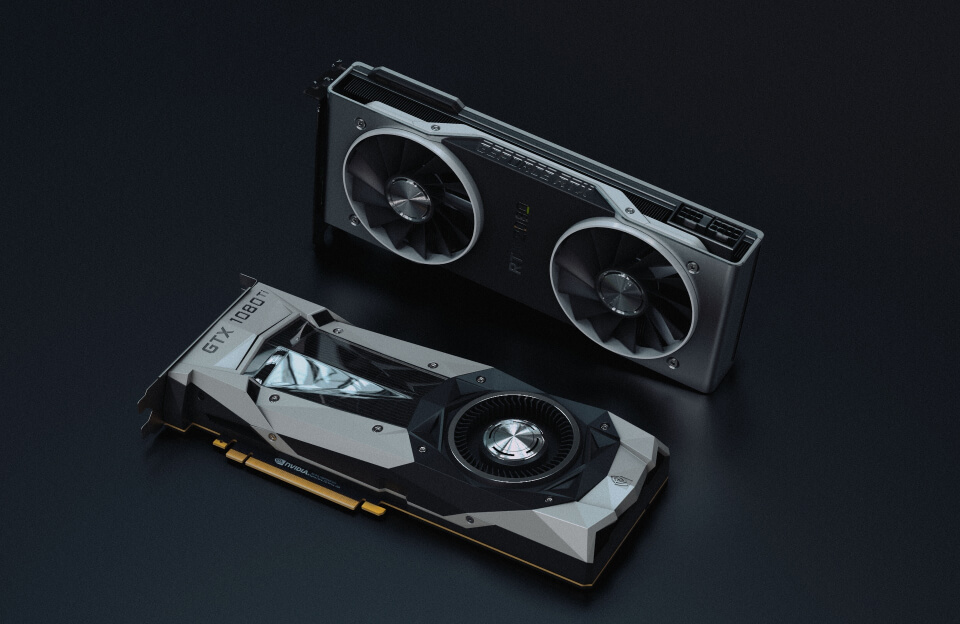
For 1440p Ultra, an RTX 3080 or RTX 4080 delivers the best performance fidelity with ray tracing at full settings. Alternatively, a high‑end AMD card like the RX 6800 XT still maintains solid frame counts for Shadow of the Tomb Raider or Assassin’s Creed Valhalla.
CPU Choices
Pick a Core i7‑13700K or Ryzen 9 7950X. Both offer strong single‑thread performance – critical for titles like Doom Eternal where CPU bottlenecking is a common issue. Thread count benefits cost‑effective multitasking for streaming or streaming overlay usage.
Memory & Storage
DDR5‑5200 or DDR4‑3600 at 16‑32 GB, depending on budget. SST-Drive NVMe SSDs at 2 TB or more provide rapid load times for the fastest titles. Pair a secondary 4‑TB HDD for game libraries that need bulk storage.
Full component lists from Wikidata GPU entries or CPU benchmarks demonstrate cost‑performance curves that help you select the best components for your $2500‑$3000 budget.
Case Selection and Thermals for Long Gaming Sessions
A robust case not only houses your build but also ensures efficient airflow. Choose a mid‑tower with multiple fan mounts, at least 180 mm in front, and a rear intake. Incorporate a high quality front fan (Noctua NF‑A12) and a rear top fan combo to maintain frequently lower internal temperatures, especially at full load.
Paint your rig in a matte black or your favorite RGB scheme. While RGB lighting looks good, keep the drivers updated to prevent power spikes during long streams. The Dell Alienware Aurora R17 series shows how a case can integrate GPU-length airflow without compromising aesthetics.
Software & Driver Optimization
Docking software, GeForce Experience for NVIDIA, or Radeon ReLive for AMD handle driver updates smoothly. Tailor in‑game settings to keep frame rates above 120 fps on a 144 Hz display. Use the Digital VSync setting to lock framerate to refresh rounds, avoiding judder while preserving a free‑floating visual experience.
Activate the operating system’s power plan set to “High Performance” to prevent the CPU from throttling during heavy gaming. Consider Ryzen Master or Intel XTU for fine tuning, but be mindful that over‑volting may void warranties.
Peripherals & Audio Setup for Immersive Experience
A quality gaming headset or 7.1 surround system with a calibrated sound card elevates the atmosphere. Use the default Windows sound settings or a manufacturer’s mixer app to maintain sound balance, especially for competitive shooters where headshot acoustics matter. Pair it with a mechanical keyboard and responsive mice featuring high DPI and anti‑glitch surfaces for swift in‑game interaction.
Bottom Line: Build Your 1440p Ultra Gaming PC Setup Today
By dividing your build into logical layers—choosing a high‑refresh HDR monitor, pairing the right GPU and CPU, ensuring proper airflow, and fine‑tuning software—you can achieve unmatched 1440p clarity and performance. Now that you know which components lift your image fidelity, why not start a dollar‑by‑dollar plan? Research current market prices, compare benchmarks from sites like Rtings, and begin drafting your build with confidence.
Take Action Now: Visit NVIDIA’s Gaming Page for GPU insights, use GamerZilla’s PC Builder Guide for latest pricing, and check out CNET’s RAM recommendations for optimal memory pairings. Get your parts, assemble carefully, and elevate your gameplay to the Ultra 1440p standard!
Frequently Asked Questions
Q1. What GPU should I choose for 1440p Ultra gaming?
For 1440p Ultra settings with ray tracing, the NVIDIA RTX 3080 or RTX 4080 are the most reliable options, giving you consistent frame rates above 120 fps on a 144 Hz display. If you lean toward AMD, the RX 6800 XT or RX 7900 XT can also deliver strong performance, though with slightly lower ray‑tracing throughput. Attention to power consumption and thermals is essential, especially if you plan to overclock. Finally, always check the driver support for your chosen GPU to avoid any bottlenecks.
Q2. Which monitor specs are essential for 1440p HDR?
A 2560 × 1440 IPS panel with at least 144 Hz refresh is the minimum for competitive play. Look for HDR 400 or higher to take advantage of dynamic contrast and richer colors. A 1 ms gray‑to‑gray response helps reduce motion blur. For color accuracy, 99 % sRGB coverage ensures titles look true to the developer’s intent.
Q3. Do I need a high‑end CPU for 1440p Ultra?
Modern games benefit from a strong single‑thread engine, so a Core i7‑13700K or Ryzen 9 7950X will keep frame pacing smooth. Lower‑tier CPUs can struggle with CPU‑bound titles like Doom Eternal, but they still handle many games well if the GPU is powerful. A mid‑range CPU paired with a potent GPU can also offer great value, especially if you’re on a tight budget. Ultimately, balance CPU and GPU to avoid bottlenecking either component.
Q4. How much RAM is sufficient for 1440p Ultra gaming?
16 GB of DDR5‑5200 or DDR4‑3600 will handle most games without issue, but 32 GB is recommended for future‑proofing and multitasking such as streaming or heavy background applications. Lower memory frequencies can be compensated by higher channel counts. Ensure the motherboard supports the speed you purchase for maximum performance.
Q5. What cooling is needed to keep temperatures low?
Use a mid‑tower case with at least three 120 mm fans: two front intakes and one rear exhaust. A high‑quality front fan like Noctua NF‑A12 can enhance airflow significantly. Consider adding a top‑mounted exhaust for GPU heat dissipation, especially if you overclock. Proper cable management will also improve airflow and thermal stability.