Long gaming sessions demand a PC that can keep up with high frame rates, stable temperatures, and reliable performance. If you’re looking to upgrade a gaming PC for long gaming sessions, you’ll need a strategic plan that balances performance, cooling, and budget. This guide walks you through the essential steps, from assessing your current build to fine‑tuning software, ensuring your rig stays cool and responsive for hours on end.
Assess Your Current Setup
Before you start buying new parts, take a detailed inventory of what you already have. Check the CPU, GPU, RAM, storage, motherboard, power supply, and cooling system. Use tools like CPU-Z or GPU-Z to gather specifications. Identify bottlenecks: is your CPU throttling under load? Is the GPU underutilized? Are temperatures creeping above 80 °C during extended play? These insights will guide your upgrade priorities.
Prioritize Cooling and Thermal Management
Heat is the enemy of sustained gaming performance. Even a powerful GPU can throttle if it overheats. Start with a high‑quality thermal paste—see Wikipedia’s thermal paste page for details on application. Upgrade to a larger or more efficient CPU cooler; liquid cooling or a high‑air cooler with a 140 mm or 240 mm radiator can reduce temperatures by 10–15 °C. For the GPU, consider a custom or aftermarket cooler, or add a second case fan to improve airflow. Don’t forget cable management: tidy cables allow air to flow freely, lowering overall case temperature.
Upgrade Key Components for Performance
Once cooling is addressed, focus on the core components that drive gaming performance. Below is a prioritized list of upgrades that deliver the most bang for your buck during long sessions:
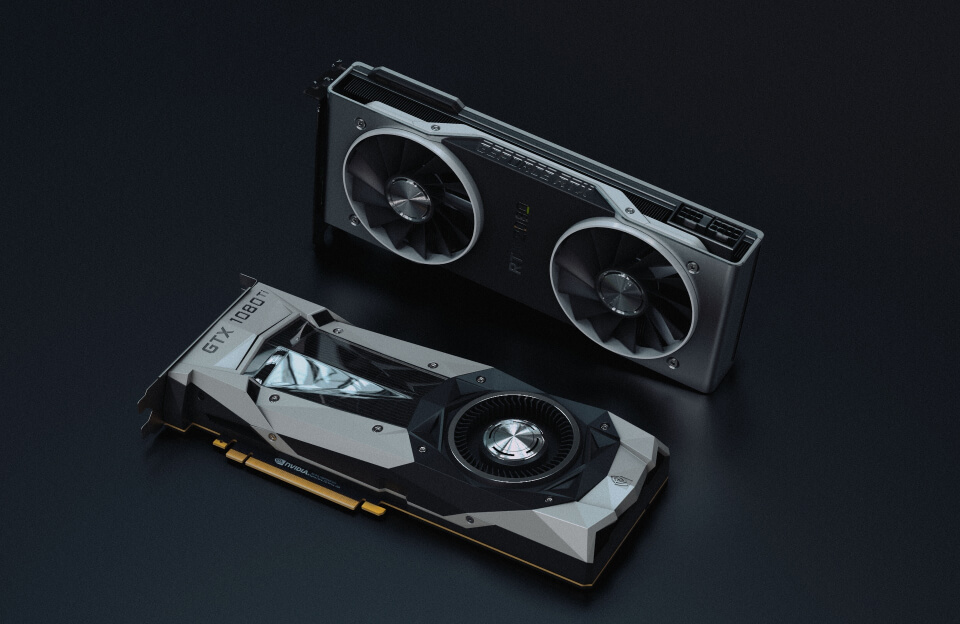
- Graphics Card (GPU) – A modern GPU such as the NVIDIA GeForce RTX 3060 or AMD Radeon RX 6600 XT offers 1080p/1440p performance with ray tracing support.
- processor (CPU) – A recent Intel Core i5‑13600K or AMD Ryzen 5 7600X provides ample cores for multitasking and streaming.
- Memory (RAM) – Upgrade to 16 GB or 32 GB of DDR4/DDR5 at 3200 MHz or higher to avoid stutter during memory‑intensive titles.
- Storage (SSD) – Replace an HDD with a 1 TB NVMe SSD; read/write speeds of 3500 MB/s reduce load times dramatically.
- Motherboard – Ensure it supports PCIe 4.0 or 5.0 for future GPU upgrades and has robust VRM cooling.
When selecting a GPU, consult Wikipedia’s GPU article for architecture differences. For CPUs, the CPU page explains core counts and IPC improvements that affect gaming.
Optimize Power Supply and Cable Management
A reliable power supply unit (PSU) is critical for long sessions. Choose a PSU with at least 80+ Gold certification and a wattage rating that exceeds your new GPU’s TDP by 20–30 %. For example, a 650 W PSU is sufficient for an RTX 3060 and a mid‑range CPU. Verify that the PSU has modular cables; this reduces clutter and improves airflow. Use a cable tie kit to bundle cables neatly, preventing obstruction of fans and heat sinks.
Fine‑Tune Software and Settings
Hardware upgrades are only part of the equation. Optimize your operating system and game settings to maintain stability:
- Update Drivers – Install the latest GPU drivers from NVIDIA or AMD. Use the GeForce Experience or AMD Radeon Software to keep drivers current.
- Adjust Power Plan – Set Windows Power Options to “High Performance” to prevent CPU throttling.
- Enable V‑Sync or G‑Sync – These technologies synchronize frame output with your monitor’s refresh rate, reducing tearing and stutter.
- Monitor Temperatures – Use tools like HWMonitor or MSI Afterburner to keep an eye on CPU/GPU temps. Set fan curves to ramp up at 70 °C.
- Disable Background Apps – Close unnecessary programs that consume CPU or RAM during gameplay.
For extended sessions, consider installing a lightweight Linux distribution or using a dual‑boot setup if you prefer open‑source tools for monitoring and tweaking.
Conclusion: Build a Reliable Gaming Experience
Upgrading a gaming PC for long gaming sessions is a blend of thoughtful hardware selection, meticulous cooling, and software optimization. By assessing your current build, prioritizing thermal management, investing in key components, ensuring a robust power supply, and fine‑tuning settings, you’ll create a system that stays cool, performs consistently, and delivers immersive gameplay for hours on end.
Ready to take your gaming to the next level? Start planning your upgrade today and enjoy uninterrupted, high‑performance sessions tomorrow.
Frequently Asked Questions
Q1. What are the most critical components to upgrade for long gaming sessions?
For sustained play, the GPU, CPU, RAM, SSD, and cooling system are the key components. A powerful GPU keeps frame rates high, while a modern CPU prevents bottlenecks during multitasking. Adequate RAM (16–32 GB) avoids stutter, and an NVMe SSD reduces load times. Finally, a robust cooling solution keeps temperatures in check, preventing thermal throttling.
Q2. How does cooling affect performance during extended play?
Heat is the enemy of sustained performance. When temperatures rise above 80 °C, GPUs and CPUs throttle to protect themselves, dropping frame rates. Proper airflow, high‑quality thermal paste, and efficient fans or liquid cooling maintain lower temperatures, ensuring consistent performance and reducing the risk of hardware failure.
Q3. Should I choose a liquid cooler or a high‑air cooler for my build?
Both options have merits. Liquid coolers typically offer lower temperatures and quieter operation but require more maintenance and can be more expensive. High‑air coolers are easier to install, cheaper, and still effective if you choose a 140 mm or 240 mm radiator with good fan airflow. The choice depends on your case size, noise tolerance, and budget.
Q4. What PSU wattage is recommended for an RTX 3060 and a mid‑range CPU?
A 650 W PSU with 80+ Gold certification is sufficient for an RTX 3060 paired with an Intel Core i5‑13600K or AMD Ryzen 5 7600X. This provides a 20–30 % headroom for peak power draw and future upgrades. Always choose a modular PSU to keep cables tidy and improve airflow.
Q5. How can software settings improve stability during long sessions?
Keep drivers up to date, set Windows to “High Performance” power mode, and enable V‑Sync or G‑Sync to reduce tearing. Monitor temperatures with tools like HWMonitor and set fan curves to ramp up at 70 °C. Closing background applications frees CPU and RAM, ensuring the game runs smoothly for hours.