When you’re ready to Upgrade a Gaming PC, the most common concern is overheating. Modern GPUs and CPUs generate significant heat, and without proper cooling, performance can throttle, components can fail, and your gaming experience suffers. This guide walks you through a systematic approach to upgrading while keeping temperatures in check. From planning to execution, we’ll cover everything you need to know to stay cool under pressure.
Upgrade a Gaming PC: Plan Your Components
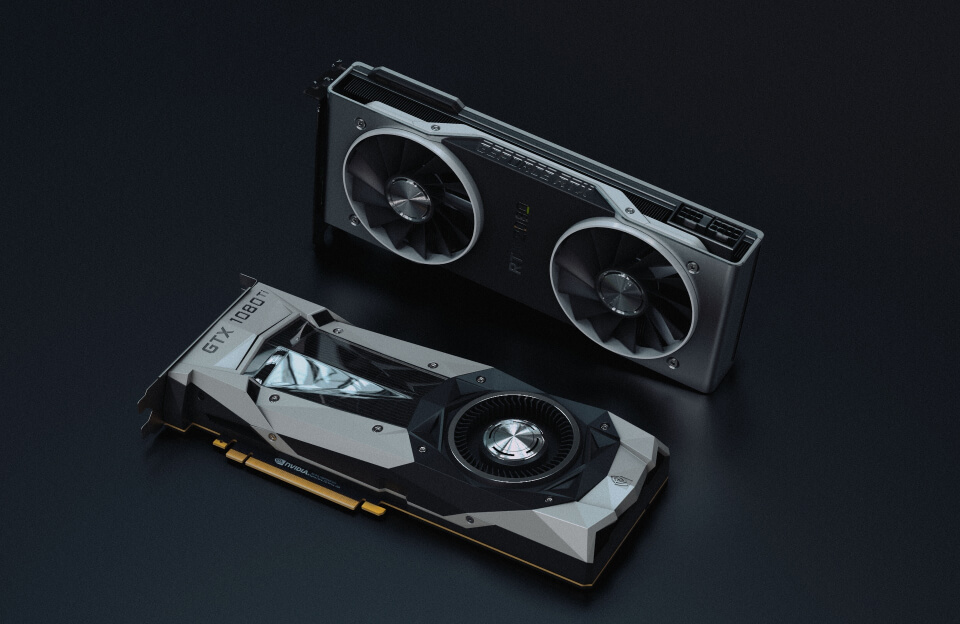
Before you touch a single screw, map out the parts you’ll replace or add. A clear plan prevents costly mistakes and ensures compatibility. Start by identifying the bottleneck: is your current GPU underperforming, or is your CPU holding you back? Use benchmarks from CPU and GPU performance charts to decide which component will give you the biggest lift. Once you’ve chosen the upgrade, check the power supply unit (PSU) rating. A new GPU may require a higher wattage; a 650W PSU might be insufficient for a high‑end card. Also, verify that your case has enough space and that the new parts fit within the chassis dimensions.
Upgrade a Gaming PC: Optimize Airflow Early
Airflow is the backbone of any cooling strategy. Begin by cleaning your case: dust accumulates on fans, heatsinks, and vents, reducing airflow by up to 30%. Use a can of compressed air or a soft brush to remove debris. Next, evaluate your fan layout. A typical 120mm or 140mm fan can move 60–80 CFM (cubic feet per minute). Position intake fans at the front or bottom of the case and exhaust fans at the rear or top. This front‑to‑back airflow pattern pushes hot air out efficiently. If your case supports it, add a dedicated GPU fan or a 360‑mm radiator for liquid cooling.
Upgrade a Gaming PC: Apply Quality Thermal Paste
Thermal paste bridges the microscopic gaps between the CPU/GPU die and the heatsink. Poor application can lead to hotspots and overheating. Use a pea‑size drop of high‑quality paste like Arctic Silver 5 or Noctua NT‑5. Spread it evenly with a plastic card or your finger, ensuring full coverage without excess. For reference, the thermal paste page explains the science behind heat transfer. After installing the heatsink, reapply paste if you disassemble the CPU cooler. A well‑applied paste can lower temperatures by 5–10 °C.
Upgrade a Gaming PC: Choose the Right Cooling Solution
There are two main cooling paths: air and liquid. Air cooling is simpler and cheaper, but high‑end GPUs often benefit from a 240‑mm or 360‑mm radiator. Liquid cooling systems, whether closed‑loop (AIO) or custom loops, can keep temperatures 10–15 °C lower than comparable air coolers. When selecting a cooler, check the manufacturer’s compatibility list for your motherboard socket and case size. Don’t forget to install a high‑efficiency fan controller or a motherboard fan header that supports PWM (Pulse Width Modulation) for dynamic speed control.
Upgrade a Gaming PC: Verify Power and Thermal Limits
After installing new components, monitor temperatures with software like HWMonitor or MSI Afterburner. Keep CPU temperatures below 80 °C under load and GPU temperatures under 85 °C for most modern cards. If you notice spikes, double‑check fan orientation, cable management, and thermal paste application. Use a thermal pad on the GPU’s VRAM if the manufacturer recommends it. Finally, run a stress test such as Prime95 for the CPU and 3DMark for the GPU to ensure stability over extended periods.
Checklist for a Heat‑Safe Upgrade
- Verify component compatibility (socket, size, power).
- Clean dust from fans, heatsinks, and vents.
- Arrange intake and exhaust fans for front‑to‑back airflow.
- Apply thermal paste correctly on CPU and GPU.
- Install a high‑quality cooler (air or liquid).
- Monitor temperatures during stress tests.
- Adjust fan curves for optimal performance.
- Secure cables to avoid obstruction of airflow.
- Check PSU wattage and cable quality.
- Keep the case well ventilated and avoid stacking large objects on top.
Upgrade a Gaming PC: Final Thoughts and Call to Action
Upgrading a gaming PC doesn’t have to be a hot mess. By planning your components, optimizing airflow, applying quality thermal paste, and choosing the right cooling solution, you can enjoy higher frame rates and longer component life. Remember, the key to a successful upgrade is not just the new hardware but how well you manage heat. Keep your system cool, and your games will run smoother.
Ready to Upgrade a Gaming PC? Start Today and Keep Your System Cool!
Frequently Asked Questions
Q1. What is the first step before upgrading a gaming PC?
Before you touch a single screw, map out the parts you’ll replace or add. A clear plan prevents costly mistakes and ensures compatibility. Identify the bottleneck, check benchmarks, and verify PSU and case space. This groundwork saves time and money during the upgrade.
Q2. How can I ensure proper airflow in my case?
Start by cleaning dust from fans, heatsinks, and vents. Arrange intake fans at the front or bottom and exhaust fans at the rear or top for a front‑to‑back flow. Add extra fans or a dedicated GPU fan if your case supports it. Proper cable management keeps air moving freely.
Q3. What thermal paste should I use for my CPU and GPU?
Use a high‑quality paste like Arctic Silver 5 or Noctua NT‑5. Apply a pea‑size drop and spread evenly with a plastic card or finger. Avoid excess paste, which can reduce heat transfer. Reapply if you disassemble the cooler.
Q4. When should I monitor temperatures after installing new components?
Immediately after installation, use HWMonitor or MSI Afterburner to check idle and load temperatures. Keep CPU below 80 °C and GPU below 85 °C under load. If spikes occur, double‑check fan orientation and thermal paste. Stress tests like Prime95 and 3DMark confirm stability.
Q5. What are the benefits of liquid cooling over air cooling?
Liquid cooling can lower temperatures by 10–15 °C compared to air coolers. It also reduces noise because fans can run slower. A 240‑mm or 360‑mm radiator fits many cases and offers better heat dissipation. However, it’s more expensive and requires careful installation.