Building a custom gaming PC is more than just stacking the latest graphics card and a powerful processor. It’s an exercise in balancing performance, durability, and—crucially—the perceived value of each component. By carefully considering price, performance, and longevity, gamers can create rigs that not only deliver stunning visuals now but also remain relevant as new titles and technologies emerge. This guide explains how to evaluate component value so every dollar invested in your build works as hard as you do.
What Makes a Component Valuable?
Component value is determined by three pillars: performance per watt, upgrade potential, and brand reliability. The first pillar evaluates how efficiently a part converts power into performance, a critical metric for long sessions and energy savings. Upgrade potential measures how often a component can be swapped for newer, faster models in the future without a complete overhaul. Brand reliability reflects the track record of consistent manufacturing quality and excellent customer support, often the difference between a smooth build and a frustrating experience.
Choosing a CPU: Speed, Cores, and Price
When selecting a CPU, the main trade‑off is between clock speed and core count. Most modern games benefit from high single‑thread performance—hence the popularity of AMD’s Ryzen 7 and Intel’s Core i5/7 lines. However, titles like simulation and strategy titles can leverage multiple cores, making a 12‑core processor a compelling option if your budget permits. Sources such as Wikipedia summarise benchmark data that helps align your gaming needs with processor capabilities.
- Assess average CPU usage in target games.
- Factor in future‑proofing: newer titles often gain better multi‑core support.
- Compare price‑to‑performance ratios; some entry‑level CPUs perform nearly as well as higher‑tier models at a fraction of the cost.
CPU value also depends on its socket and motherboard compatibility. Investing in a chipset that supports future socket upgrades can extend your build’s lifespan. Many enthusiasts choose an Intel B760 or AMD X570 motherboard to ensure compatibility with upcoming CPU offerings.
GPU: The Core of Visual Glory
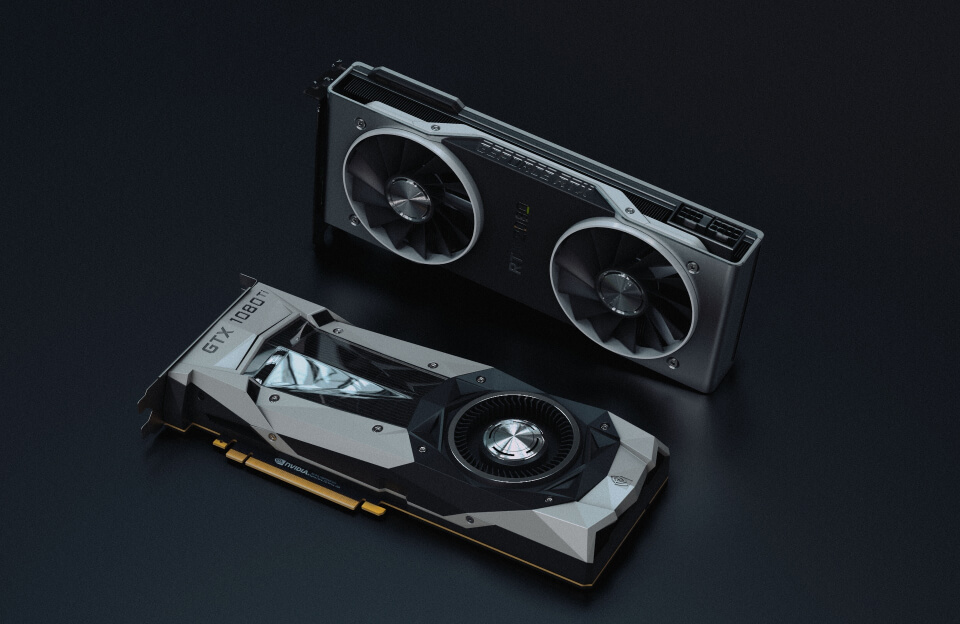
The graphics card remains the star of any gaming rig, and its value is largely measured by frame‑rate output, VRAM capacity, and ray‑tracing support. Gaming benchmarks from NVIDIA’s Guide illustrate how GPUs of comparable tier differ in performance when paired with CPUs of various speeds. A 24‑GB model may appear premium, but for many 1080p gamers, 8‑GB deliver the same frame rates with lower upfront cost.
Balancing VRAM and Resolution
Memory has become a prominent differentiator across GPUs. At 1440p, a minimum of 6 GB is recommended; at 4K, 8–10 GB is optimal. When evaluating chip value, consider the game library you’ll play. If most titles use textures at 8 GB, a 4 GB card may not be future‑proof. Benchmark data from TechRadar shows diminishing returns beyond 8 GB for current titles.
Memory (RAM): Speed and Capacity
RAM influences how smooth a multitasking or streaming session feels. Gaming at 16 GB is standard for 1080p, but 24 GB or more can enhance performance in titles that use extensive in‑memory assets or when overlaying video capture applications. Dual‑channel kits double throughput compared to single‑channel, and memory speed (e.g., 3200 MHz vs. 3000 MHz) can shave millisecond margins. The U.S. Army’s research on latency indicates that a 5 % performance improvement can be achieved with each megas of RAM beyond the baseline for demanding workloads.
- Choose DDR5 for higher future compatibility and better bandwidth.
- Match RAM clocks to motherboard’s supported frequencies.
- Ensure equal capacity sticks for optimal dual‑channel performance.
The Power Supply: More Than Just Wattage
Selecting a PSU goes beyond meeting the power draw of your CPU and GPU. The efficiency rating—80 Plus Gold, Platinum, or Titanium—determines how much electricity is wasted as heat. A higher efficiency PSU can save on electricity bills over time and generate less noise due to lower fan speeds. Certification bodies such as the 80 Plus Program provide reliable benchmarks for PSU performance.
Storage: Speed, Size, and the SSD Revolution
Storage speed can influence game loading times, operating system responsiveness, and even texture streaming. NVMe M.2 drives offer sequential speeds surpassing 5000 MB/s, far ahead of SATA SSDs. When budgeting, weigh the price per gigabyte against your typical game size—many AAA releases average 50 GB, so a 1 TB NVMe is practical. Hybrid setups—combining a fast NVMe for the OS and main titles with a larger SATA SSD or HDD for libraries—offer great value.
Cooling Solutions: Quiet Performance
Overheating can throttle performance, so selecting an appropriate cooling strategy is vital. Air coolers are cost‑effective and reliable, while liquid coolers provide lower temperatures and quieter operation—though at the expense of higher price and maintenance risk. Thermally efficient cases with good airflow and dust‑filter options extend component lifespan. Reviews from Tom’s Hardware compare cooling efficiencies across case designs, aiding value decision‑making.
Motherboard: The Backbone of Connectivity
A motherboard determines how many ports, expansion slots, and future‑upgrade paths you’ll have. For budget builds, an ATX board with a solid VRM and at least one M.2 slot is sufficient. For enthusiasts, a full‑size motherboard with multiple PCI Express lanes and an overclocking feature set can add value by enabling high‑speed GPUs and NVMe drives simultaneously. Ensure BIOS support for the chosen processor before purchase.
Case Selection: Space, Aesthetics, and Price
The case should accommodate the GPU length, cooling solution, and cabling. A mid‑tower typically offers a good balance between spaciousness and ease of assembly. Features like tempered glass panels, RGB lighting, and easy cable management tools are optional but can add perceived value if aesthetic matters to you. Check the case manual for GPU clearance and RAM clearance data to avoid compatibility surprises.
Peripheral Considerations: Monitor, Keyboard, and Speakers
Peripherals often form a hidden part of the total value equation. A 1440p or 4K monitor with a high refresh rate (144 Hz or more) will fully exploit a high‑end GPU. Keyboards with mechanical switches add tactile feedback, while quality headsets can reduce the need for external speakers. Many retailers bundle deals which provide cost savings when peripherals are purchased alongside core components.
How to Compute Total Cost of Ownership (TCO)
Beyond the initial purchase price, the TCO encompasses power consumption, component lifespan, and eventual upgrade costs. Energy Star calculators can estimate monthly electricity expense based on PSU efficiency and average load. A higher‑efficiency PSU may cost more upfront but saves about 10–15 % on power bills over five years. Long‑term testing shows that GPUs rated for gaming workloads typically outlive 80 + rated PCs by at least two years.
Final Checklist: Make Your Build Value‑Maximized
Before setting your final list of components, run through this value‑focused checklist:
- Define your primary gaming resolution and refresh‑rate targets.
- Prioritise parts with strong performance‑per‑dollar ratios.
- Confirm socket, chipset, and power requirements to avoid future bottlenecks.
- Plan for future upgrades: choose motherboards and power supplies that support next‑gen CPUs and GPUs.
- Consider the environmental cost: efficient power supplies and lower energy draw reduce your carbon footprint.
Conclusion: Build with Confidence, Play with Passion
Understanding component value transforms a computer from a hobby to a strategic investment. By evaluating each part through performance, upgrade potential, and reliability lenses, you ensure every dollar serves the purpose of a more immersive, durable gaming experience. Apply these guidelines to your next build, and you’ll see that a well‑balanced system can deliver high performance while staying budget‑friendly.
If this guide helped you see the bigger picture, explore our product recommendations and build guides to get started today.