Embarking on a PC upgrade can feel like stepping into a maze of technical jargon, but a well‑planned Gaming PC Upgrade Checklist turns the journey into an exciting, manageable project. Whether you’re upgrading a single component or starting from scratch, following a systematic approach ensures you pick the right parts, avoid costly mistakes, and end up with a machine that keeps you future‑proof for years of gaming.
1. Define Your Budget and Goals
The first, and most crucial, step is clarifying how many dollars you’re willing to spend and what you want out of the build. Are you chasing 144‑Hz high‑refresh‑rate action, or do you need a system that comfortably runs demanding AAA titles at 1080 p? Drafting a concrete budget range that includes a buffer for peripherals, cables, and potential price spikes will prevent last‑minute compromises. Use budgeting tools like the PCPartPicker Build Guide to estimate costs based on current component prices and availability.
2. Start with the Core: CPU, Motherboard, and RAM
Your processor is the brain of the system, dictating how efficiently it processes complex game logic, physics, and AI. A modern mid‑range option like the Intel Core i5‑13400F balances price and performance for most 1080p and 1440p titles. Pair it with a compatible LGA 1700 motherboard that supports DDR4 memory; this combination remains scalable as new game releases demand more memory bandwidth. Aim for at least 16 GB of DDR4 RAM at 3200 MHz to future‑proof the rig; if you plan on streaming or multitasking, 32 GB is a sensible upgrade.
Choosing RAM is easier once you have the motherboard pinned down. Look for modules with certified DDR4 timings and a low latency specification (e.g., CL16). Higher frequency sticks (3600 MHz) offer marginal gains, but the price premium often outweighs the benefit for gaming alone. Keep an eye on BIOS updates—many new boards receive tweaks that improve memory compatibility and overclocking headroom.
3. Powering the Play: GPU, Power Supply, and Cooling
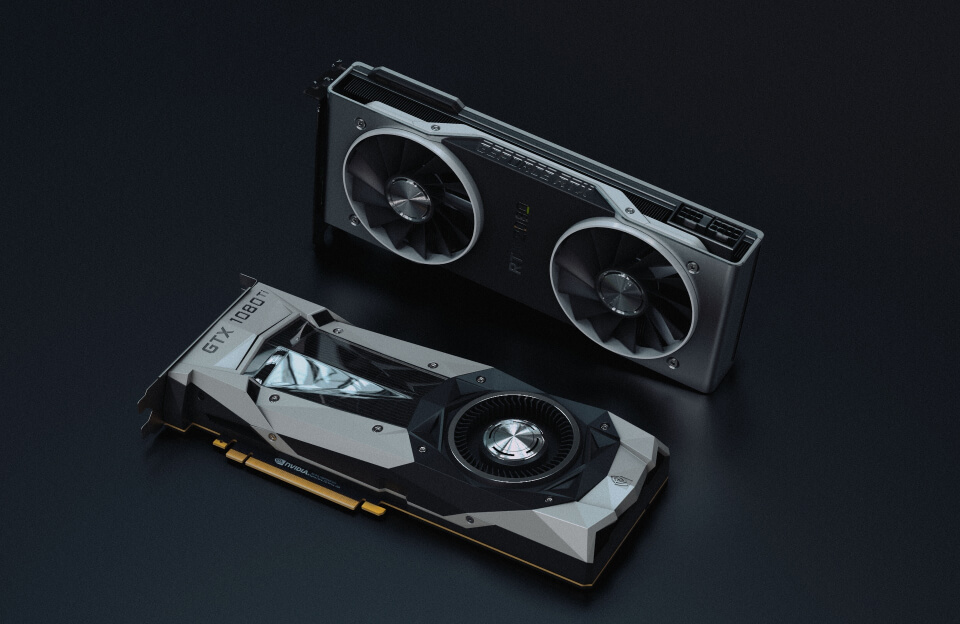
The graphics card is the most visible performance driver in a gaming machine, offering the raw horsepower needed to render detailed worlds. A card like the NVIDIA GeForce RTX 3060 delivers 1080p and 1440p gaming at high frame rates while comfortably fitting into a standard mid‑range case. For next‑generation titles or higher resolutions, consider the RTX 4060 or AMD’s RX 6700 XT, balancing price with capabilities.
When buying a GPU, inspect the manufacturer’s specifications for required power connectors. NVIDIA’s 30‑series cards often demand one or two 8‑pin PCIe connectors, so choose a PSU that includes sufficient wattage and connectors. For a typical upgrade that tops out at 650 W, a reliable unit like the 650 W modular PSU from a reputable brand ensures headroom for overclocking and future additions. Pair it with a passive or active cooling solution to maintain optimal thermal performance.
- GPU: RTX 3060 – 1080p/1440p high‑frame rate
- CPU: Intel Core i5‑13400F – balanced core count for modern games
- RAM: 16 GB DDR4 3200 MHz – expandable to 32 GB
- PSU: 650 W modular – adequate for current GPU and future upgrades
- Case: Mid‑tower with good airflow – supports ATX motherboards
- Storage: 1 TB NVMe SSD – rapid load times and ample capacity
4. Storage: SSD, HDD, and Operating System
Fast storage directly impacts load times, texture streaming, and system responsiveness. An NVMe SSD such as the Samsung 970 evo offers read/write speeds exceeding 3 GB /s, making it the ideal choice for the OS, launcher, and frequently played titles. Pairing a larger SATA SSD or 1‑TB HDD for bulk storage helps keep the primary drive uncluttered, ensuring that the high‑speed interface continues to deliver its best performance.
When selecting a drive, verify the interface type and form factor. NVMe drives typically come in the M.2 2280 format, which fits snugly on the motherboard’s M.2 slot. Confirm the number of M.2 slots on your chosen board; older models may have only one slot, whereas newer boards often feature multiple, allowing future expansion.
| Component | Recommendation | Reason |
|---|---|---|
| OS Storage | NVMe SSD 500 GB–1 TB | Fast boot and game load times |
| Additional Storage | SATA SSD 1 TB | Cost‑effective bulk storage |
| Backup | External HDD or cloud service | Data protection for saved games |
5. Monitor, Peripherals, and Software
A compatible monitor complements the hardware upgrade. Look for a panel with a refresh rate matching or exceeding your GPU’s output—ideally 144 Hz for competitive shooters, 240 Hz for esports. The resolution should correlate with your GPU choice; an RTX 3060 can comfortably drive a 2560 × 1440 144‑Hz display. Additionally, consider a matte panel to reduce glare and a low input lag for smoother gameplay.
Peripherals—keyboard, mouse, headset—can drastically affect immersion. Mechanical keyboards, such as the Logitech G Pro, provide tactile feedback, while mice with adjustable DPI offer precision. Headsets with surround sound like the HyperX Cloud II deliver positional audio cues, giving you an edge in fast‑paced titles.
Software-wise, keep your drivers and operating system up‑to‑date. NVIDIA’s GeForce Experience utility aids in driver management, while Windows Update ensures security patches are applied. Consider a game optimization tool like Razer Game Booster for legacy titles to squeeze extra performance out of older hardware.
6. Build and Test: The Final Checklist
Once you’ve acquired the parts, follow these steps to assemble and validate your system:
- Verify all components fit within the case and that the motherboard is seated correctly.
- Connect the PSU to the motherboard, GPU, and drives.
- Power on the system and enter the BIOS to confirm clock speeds and memory timings.
- Install the operating system via a USB boot drive.
- Install motherboard and GPU drivers from the official manufacturers’ websites.
- Run a stress test such as 3DMark Time Spy to benchmark GPU performance.
- Ensure temperatures stay within safe limits using a tool like HWMonitor.
- Install and configure your favorite games, checking for frame rate caps and any visual bugs.
- Fine‑tune GPU scaling settings in the control panel for optimal visual quality.
- Create a backup of your system image for future recovery or upgrade roll‑backs.
Each step should be performed carefully, documenting serial numbers and configuration settings. Tracking changes helps you identify any issues that arise after a new component is added, ensuring a smooth troubleshooting process.
Conclusion: Build With Confidence, Play With Power
Armed with this Gaming PC Upgrade Checklist for Beginners, you’re poised to transform an aging machine or an entry‑level rig into a high‑performance gaming powerhouse. By setting a realistic budget, selecting compatible and future‑ready components, and following a methodical build process, you can avoid common pitfalls like bottlenecks, overheating, and incompatibility.
Ready to elevate your gaming experience? Grab the parts you’ve listed, start assembling, and enjoy the thrill of watching your new system come to life. Happy building, and may your frame rates stay high!