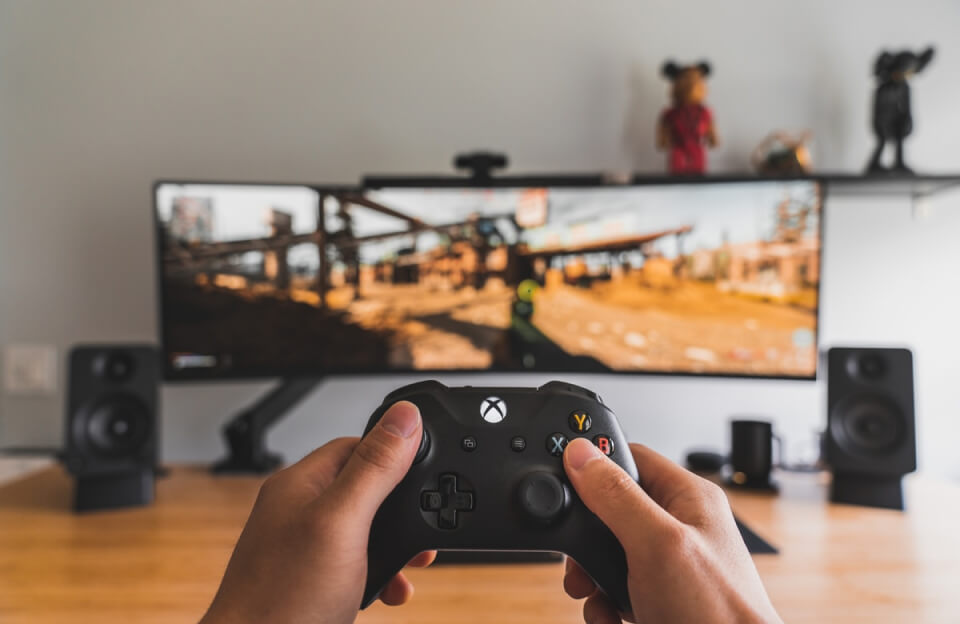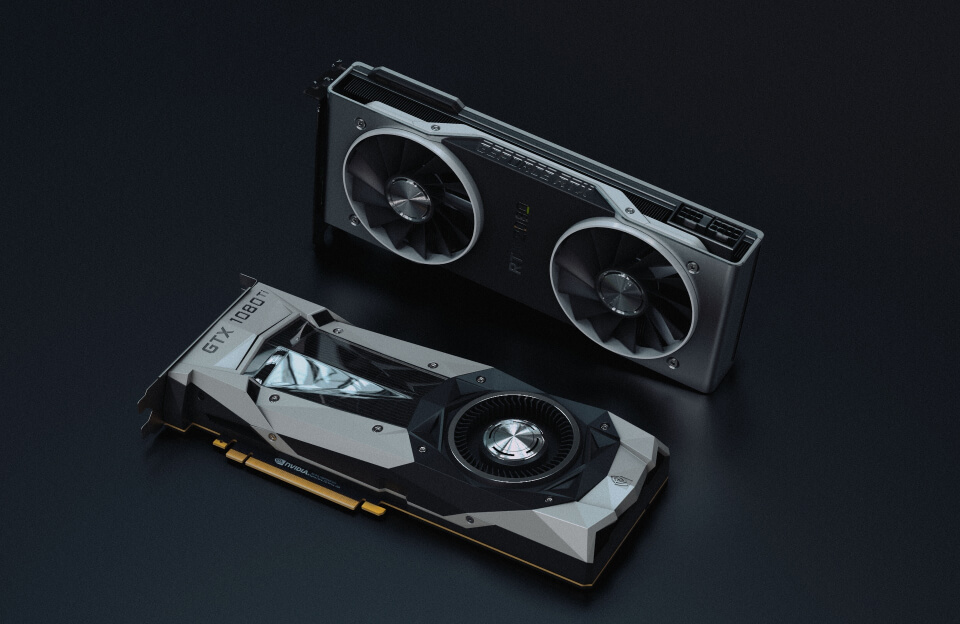
Every gamer knows that a smooth, high‑frame‑rate experience is the difference between victory and frustration. If you’re looking to squeeze every possible frame out of your rig, this guide to Gaming PC FPS Boost offers proven techniques that work without resorting to risky hardware hacks. From tweaking graphics settings to ensuring your drivers are pristine, we’ll walk you through actionable steps that any enthusiast can implement today. By the end, you’ll understand how to identify bottlenecks, prioritize upgrades, and keep your system running at peak performance.
Optimize Graphics Settings for Maximum Frame Rate
Most modern games ship with visual presets that favor eye‑candy over raw speed. The first place to look for an instant FPS boost is the in‑game graphics menu. Lowering or disabling resource‑heavy options such as ambient occlusion, depth of field, and motion blur can yield a 10‑30% increase in frame rate, especially on mid‑range GPUs. Pay special attention to resolution scaling; many titles allow you to render at a lower internal resolution while keeping the UI at native size. This technique preserves sharpness where it matters most while easing the load on the GPU.
Update Drivers and Firmware Regularly
Graphics drivers are the software bridge between your operating system and the GPU. Manufacturers like NVIDIA and AMD release performance patches almost weekly, often targeting specific game titles. Keeping your driver up to date can unlock hidden optimizations that translate directly into higher FPS. Additionally, BIOS and firmware updates for your motherboard and SSD can improve data throughput and stability, further supporting a smoother gaming experience. For trustworthy sources, visit the official support pages or reputable technology news sites.
Manage CPU and GPU Bottlenecks
Even the most powerful graphics card can be throttled by a sluggish CPU. Use a monitoring tool such as MSI Afterburner to check real‑time utilization. If the CPU consistently hits 90‑100 % while the GPU lags at 50‑60 %, you’re experiencing a CPU bottleneck. In this case, consider closing background applications, disabling unnecessary Windows services, or even overclocking your processor if your cooling solution permits. Conversely, if the GPU is maxed out, lower settings that stress the shader units, like anti‑aliasing and texture quality.
Upgrade Storage and Memory for Faster Load Times
While storage speed does not directly affect FPS, it influences perceived performance by reducing texture pop‑in and level‑load stutter. Switching from a traditional HDD to an NVMe SSD can cut load times by half and free up system RAM for in‑game assets. Additionally, ensuring you have at least 16 GB of DDR4/DDR5 RAM—not just for multitasking but for games that dynamically stream data—helps maintain consistent frame delivery. For a deeper dive into memory architecture, see the Random‑access memory article.
Fine‑Tune Windows Settings for Gaming
Windows offers several hidden settings that can free up cycles for your game. Disabling the Windows Game Bar and Game Mode may sound counterintuitive, but on some systems they introduce extra overhead. Setting your power plan to “High Performance” prevents the CPU from down‑clocking during intensive moments. Also, ensure that your display scaling is set to 100 % to avoid unnecessary GPU work on UI elements. For power‑saving enthusiasts, the Energy Efficient Computing guide from the U.S. Department of Energy offers additional insights.
Below is a quick‑reference checklist you can keep handy while tweaking your system:
- Set game graphics to medium or low, focusing on shadow quality and texture resolution.
- Update GPU drivers from the official NVIDIA/AMD website weekly.
- Monitor CPU/GPU usage; address any bottleneck with overclocking or setting adjustments.
- Upgrade to an NVMe SSD and ensure at least 16 GB of RAM.
- Switch Windows power plan to High Performance and disable background game overlays.
Implementing these steps systematically will give you a noticeable FPS uplift across most modern titles. Remember that each game reacts differently; you may need to fine‑tune settings on a per‑title basis to achieve the ideal balance between visual fidelity and smooth performance.
Advanced Techniques for Serious Enthusiasts
If you’ve mastered the basics and still crave extra frames, consider more advanced methods. Overclocking the GPU using tools like MSI Afterburner can add 5‑15 % more performance, provided your cooling is adequate. Enabling DLSS (Deep Learning Super Sampling) on compatible NVIDIA cards lets you render at a lower resolution while the AI upscales the image, delivering higher FPS with minimal quality loss. For AMD users, FidelityFX Super Resolution offers a similar benefit. Additionally, installing a custom fan curve can keep temperatures low, preventing thermal throttling during marathon sessions.
For readers who appreciate data‑driven decisions, research from institutions such as Cornell Computer Science highlights the impact of cache hierarchy on game performance, while the Frames per second entry outlines how human perception correlates with different FPS thresholds.
Keep an eye on upcoming driver releases that target specific game titles—NVIDIA’s “Game Ready Drivers” suite often includes performance patches for blockbuster releases. Pair these updates with regular system maintenance, such as cleaning dust from fans and ensuring thermal paste is refreshed every few years, to keep hardware operating at its designed specifications.
Conclusion: Boost Your FPS Today
Achieving a tangible Gaming PC FPS Boost is less about buying the most expensive components and more about smart optimization. By adjusting graphics settings, staying current with drivers, managing bottlenecks, upgrading storage and memory, and fine‑tuning Windows, you can extract several extra frames per second from your existing rig. If you’re ready to experience smoother gameplay, start with the checklist above, then experiment with advanced tweaks like overclocking and AI‑based upscaling. Take action now—apply these tips and feel the difference in your next gaming session!
Frequently Asked Questions
Q1. How can I quickly increase FPS without buying new hardware?
Start by lowering demanding graphics options such as ambient occlusion, motion blur, and anti‑aliasing. Reduce the resolution scale or play at a slightly lower native resolution. Update your GPU drivers and disable background overlays to free up processing power.
Q2. Should I enable Windows Game Mode for better performance?
Game Mode can help some systems, but on many PCs it adds a small overhead. Test your games with it turned on and off; if you notice a drop in FPS, keep it disabled and focus on a High‑Performance power plan instead.
Q3. When is a CPU bottleneck more likely than a GPU bottleneck?
If monitoring tools show the CPU consistently above 90 % while the GPU stays below 60 %, the CPU is limiting performance. This often occurs in strategy or simulation games that rely heavily on AI and physics calculations.
Q4. Does installing an NVMe SSD improve FPS?
While an SSD does not directly raise frame rates, it reduces texture pop‑in and load‑time stutter, giving a smoother overall experience. Faster storage also helps the CPU stream assets more efficiently, which indirectly supports steady FPS.
Q5. Is overclocking my GPU safe for a permanent FPS boost?
Overclocking can provide a 5‑15 % performance gain if your cooling is adequate and you increase clocks gradually. Monitor temperatures and stability; if the system overheats or crashes, revert to stock settings.