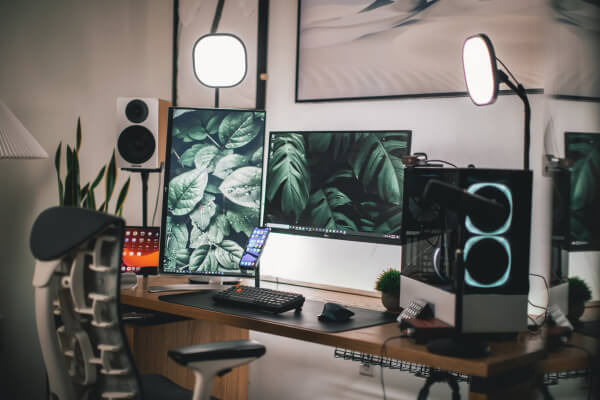
When you’re assembling a high‑performance rig, the most visible indicator of craftsmanship is often the way cables are organized. Good Gaming PC Cable Management does more than please the eye—it improves airflow, reduces component stress, and simplifies future upgrades. In this guide we’ll walk through proven techniques, tools, and design principles that keep your gaming rig looking sleek and performing reliably for years to come.
Plan Your Build Layout Before You Install Anything
Successful cable routing starts on paper (or a digital sketch). Identify the locations of the power supply, motherboard, graphics card, storage drives, and any peripheral bays. By visualising the shortest, most direct paths for each cable you can avoid cross‑talk, tangled bundles, and unnecessary length. This extra prep step also helps you gauge how many cable ties or Velcro straps you’ll need, and whether you’ll benefit from a modular PSU that lets you omit unused connectors.
Choose the Right Power Supply Unit
A modular or semi‑modular power supply unit is a cornerstone of clean cable management. Unlike fixed‑wire PSUs, modular units let you plug in only the cables your components require, eliminating excess length that would otherwise need to be tucked away. For high‑end builds, a fully modular unit paired with the appropriate wattage ensures that power delivery is efficient while keeping the interior cavernous enough for optimal PC airflow.
Route Cables for Maximum Airflow
Airflow is the lifeblood of any gaming PC. Poorly arranged cables can obstruct fans, create hot spots, and force the GPU or CPU to throttle under load. To preserve PC airflow, follow these principles:
- Run power cables behind the motherboard tray whenever possible; most modern cases provide dedicated routing holes and rubber grommets.
- Group data cables (SATA, NVMe adapters) together and keep them away from high‑temperature zones like the GPU exhaust.
- Use the case’s built‑in cable management channels, often located beneath the PSU shroud or along the side panels.
- Leave at least 10‑15 mm of clearance between cable bundles and major airflow pathways to avoid turbulence.
For deeper insight into heat dissipation, see the Thermal management article on Wikipedia.
Secure Cables with the Right Tools
The difference between a tidy build and a chaotic one often rests on the tools you use. Below are essential items for a professional finish:
- Reusable Velcro straps – Easy to adjust as you add or remove hardware.
- Adjustable cable ties – Perfect for permanent bundles where re‑use isn’t required.
- Split‑loom tubing – Provides a finished look while protecting cables from abrasion.
- Cable combs – Ideal for managing RGB lighting strips, ensuring each LED segment aligns perfectly.
Investing in quality tools reduces the risk of damaging connectors and ensures that each cable remains snug even after multiple transports.
Maintain Aesthetic Consistency with RGB and Modularity
Modern gaming rigs often showcase vibrant lighting, but unchecked cables can quickly become visual noise. To preserve a cohesive appearance:
- Choose cables with matching sleeving colors or opaque black sheaths that blend with the case interior.
- Route RGB strips through split‑loom tubes or behind the motherboard tray to hide excess length.
- Utilise modular drive cages that hide SATA cables inside the bay, leaving only the necessary connectors exposed.
Balancing aesthetics with function is a hallmark of expert wire routing. For a deeper dive into cable organization standards, consult the Computer cable management page on Wikipedia.
Regular Inspection and Future‑Proofing
Even the best‑planned build benefits from periodic checks. Dust accumulation can pull cables apart, and hardware upgrades may necessitate new routing paths. Schedule a quick visual inspection every six months: loosen any overly tight ties, replace frayed sleeves, and verify that airflow pathways remain clear. This habit extends component longevity and keeps performance metrics consistent.
For safety guidelines related to electrical components, the CDC’s occupational safety resources provide reliable reference: Electrical Safety.
Conclusion
Effective Gaming PC Cable Management is a blend of foresight, the right hardware, and disciplined execution. By planning your layout, selecting a modular PSU, routing for optimal airflow, using quality fastening tools, and maintaining aesthetic harmony, you’ll create a system that not only looks impressive but also runs cooler and quieter. Ready to transform your gaming rig? Start applying these tips today and experience the difference a clean interior makes. For personalized advice or premium cable‑management kits, contact us now and elevate your build to professional standards.
Frequently Asked Questions
Q1. How should I plan cable routes before I start building?
Begin with a sketch of your case layout, marking the PSU, motherboard, GPU, and drive locations. Identify the shortest path for each power and data cable and note any built‑in routing holes. This visual plan helps you avoid crossing cables and reduces the need for excessive ties later.
Q2. Why is a modular power supply important for cable management?
A modular PSU lets you connect only the cables you actually need, eliminating bulky, unused lengths that would otherwise clutter the interior. Fewer cables mean clearer airflow pathways and easier access when you upgrade components. It also simplifies cable routing, making the build look cleaner and more professional.
Q3. What techniques keep cables from obstructing airflow?
Route power cables behind the motherboard tray and use the case’s dedicated cable channels. Keep data cables bundled away from heat‑producing parts like the GPU exhaust. Maintaining at least 10‑15 mm clearance around major fans prevents turbulence and improves cooling efficiency.
Q4. Which tools should I use to secure cables effectively?
Reusable Velcro straps are great for adjustable bundles, while standard zip‑ties work for permanent fixes. Split‑loom tubing protects cables from wear and gives a polished look. Cable combs help align RGB strips so the lighting remains uniform.
Q5. How often should I inspect my cable management setup?
Perform a quick visual check every six months or after major upgrades. Look for loose ties, frayed sleeves, or dust buildup that could pull cables apart. Re‑tighten or replace any compromised components to maintain optimal airflow and prevent strain on connectors.