The demand for a smooth 4K Gaming PC Build has exploded as gamers chase ultra‑high‑definition visuals, ray tracing, and high refresh‑rate performance. Building a system that can consistently push 60 fps at 3840×2160 while handling VR‑ready workloads and demanding titles requires careful component selection, proper cooling, and a realistic budget. In this guide we break down every critical part, explain why each choice matters, and provide a ready‑to‑use parts list. By the end you’ll have a clear roadmap to assemble a machine that rivals pre‑built flagship rigs.
CPU – the Gaming Brain
The processor sets the ceiling for frame‑rate consistency, especially in CPU‑heavy games like Microsoft Flight Simulator or large open‑world titles. For a 4K Gaming PC Build, a modern 8‑core/16‑thread chip offers the best balance of price and performance. The AMD Ryzen 7 7800X3D leverages 3D V‑Cache technology to boost gaming workloads, while Intel’s Core i7‑13700K provides strong single‑core speeds and PCIe 5.0 support. Choose the platform that aligns with your preferred motherboard chipset and budget.
GPU – the Visual Powerhouse
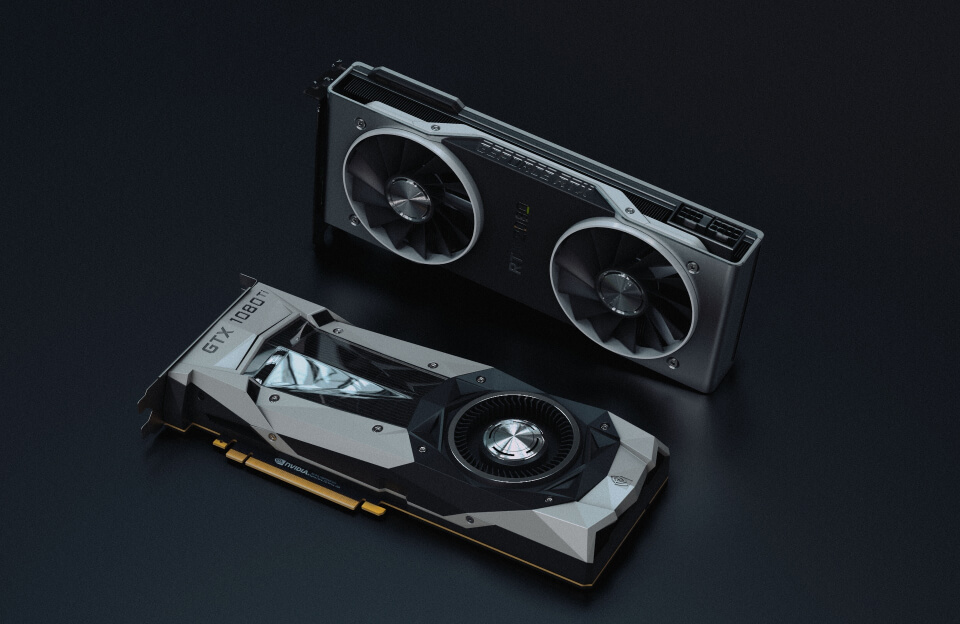
At 4K resolution the graphics card is the most decisive factor. To unlock ray tracing and maintain 60 fps, look for a GPU with at least 12 GB of VRAM and the latest architecture. The NVIDIA GeForce RTX 4080 delivers exceptional rasterization and DLSS 3 upscaling, while the AMD Radeon RX 7900 XTX offers competitive ray tracing performance at a slightly lower price point. Pair the GPU with a high‑refresh monitor (144 Hz or higher) to fully appreciate the smoothness of 4K gaming.
Memory and Storage – Speed Matters
Modern games benefit from fast DDR5 memory and NVMe solid‑state drives. A 32 GB (2 × 16 GB) DDR5 kit running at 5600 MHz provides ample headroom for multitasking, streaming, and future‑proofing. For storage, a 2 TB PCIe 4.0 NVMe SSD ensures quick load times and eliminates stutter caused by slower SATA drives. The PCIe 4.0 interface delivers up to 7 GB/s sequential read speeds, which is ideal for large 4K texture packs and future game installations.
Motherboard, Power, and Cooling – The Backbone
A sturdy motherboard with a reliable VRM and sufficient PCIe lanes is essential. For AMD builds, the X670E chipset offers native PCIe 5.0 and robust power delivery; for Intel, the Z790 chipset provides similar features. The power supply must handle the GPU’s peak draw; a 850 W 80+ Gold certified unit offers headroom for overclocking and future upgrades. Efficient cooling, whether air or liquid, maintains thermal stability during long 4K sessions. A 360 mm AIO liquid cooler paired with a case that supports high airflow (e.g., mesh front panels) will keep temperatures in the optimal range.
Recommended Parts List
- CPU: AMD Ryzen 7 7800X3D or Intel Core i7‑13700K
- GPU: NVIDIA GeForce RTX 4080 or AMD Radeon RX 7900 XTX
- Motherboard: X670E (for AMD) or Z790 (for Intel) with PCIe 5.0 support
- RAM: 32 GB DDR5‑5600 MHz (2 × 16 GB)
- Storage: 2 TB PCIe 4.0 NVMe SSD (e.g., Samsung 980 Pro)
- Power Supply: 850 W 80+ Gold modular PSU
- Cooling: 360 mm AIO liquid cooler (e.g., Corsair iCUE H150i)
- Case: Mid‑tower with mesh front panel and ample GPU clearance
- Monitor: 27‑inch 4K 144 Hz IPS panel with Adaptive‑Sync
Assembly Tips and BIOS Tweaks
Start by installing the CPU, cooler, and RAM on the motherboard before placing it in the case. This simplifies cable routing and reduces the chance of damaging components. After securing the GPU, double‑check that all PCIe power connectors are firmly seated. Once built, update the BIOS to the latest version to enable XMP profiles for RAM and to ensure proper PCIe 5.0 negotiation. Enable Windows Game Mode and set the power plan to “High performance” for consistent frame‑rates.
Performance Benchmarks and Testing
Use reputable benchmarking tools such as Gamer’s Nexus or the TechSpot database to verify that your 4K Gaming PC Build hits the target 60 fps in titles like Cyberpunk 2077, Red Dead Redemption 2, and Control. Monitor temperatures with HWMonitor or MSI Afterburner; ideal CPU temps under load should stay below 80 °C, while GPU temps should stay under 85 °C.
Future‑Proofing and Upgrade Paths
The chosen platform leaves room for upgrades. With PCIe 5.0 on the motherboard, you can later install next‑generation SSDs or graphics cards without replacing the board. Adding another 2 TB NVMe drive or expanding RAM to 64 GB will keep the system ready for upcoming 8K titles and demanding content‑creation workloads. Keep an eye on driver updates from NVIDIA, AMD, and Intel to maintain optimal performance.
Conclusion
Building a high‑performance 4K Gaming PC Build is an achievable project when you follow a structured plan, select components that complement each other, and fine‑tune the system for stability. By investing in a capable CPU, a top‑tier GPU, fast DDR5 memory, and ample PCIe 4.0 storage, you’ll enjoy buttery‑smooth visuals, fast load times, and the flexibility to tackle VR and future game releases. Ready to start assembling?
Frequently Asked Questions
Q1. Which CPU offers the best performance for a 4K Gaming PC Build?
The AMD Ryzen 7 7800X3D and Intel Core i7‑13700K are the top choices; the 7800X3D’s 3D V‑Cache excels in gaming, while the i7‑13700K provides higher single‑core speeds and PCIe 5.0 support.
Q2. Is an RTX 4080 necessary, or can I use a cheaper GPU?
An RTX 4080 guarantees 60 fps at 4K with ray tracing and DLSS 3, but the AMD Radeon RX 7900 XTX delivers comparable rasterization performance at a lower price, making it a viable alternative.
Q3. How much RAM and what speed should I choose?
32 GB of DDR5‑5600 MHz memory (2 × 16 GB) provides ample headroom for modern games, streaming, and future titles, ensuring no bottleneck in 4K workloads.
Q4. What power supply rating is safe for this build?
An 850 W 80+ Gold modular PSU gives enough headroom for peak GPU draw, overclocking, and future upgrades while maintaining efficiency.
Q5. Can I upgrade this system for 8K gaming later?
Yes, the X670E or Z790 motherboards support PCIe 5.0, allowing next‑generation SSDs and GPUs to be added, and you can expand RAM to 64 GB or add additional NVMe drives as needed.