When it comes to extracting maximum performance from modern graphics cards, adequate heat management is non‑negotiable. The market for Top GPU Cooling Solutions has exploded in 2024, offering everything from refined air coolers to sophisticated liquid‑cooling loops. Whether you are a casual gamer, a content creator, or an overclocking enthusiast, understanding the nuances of each cooling method can dramatically affect stability, silence, and longevity of your GPU. This guide breaks down the most effective cooling technologies, highlights real‑world performance data, and points you to reliable resources for deeper research.
Advanced Air Cooling Solutions
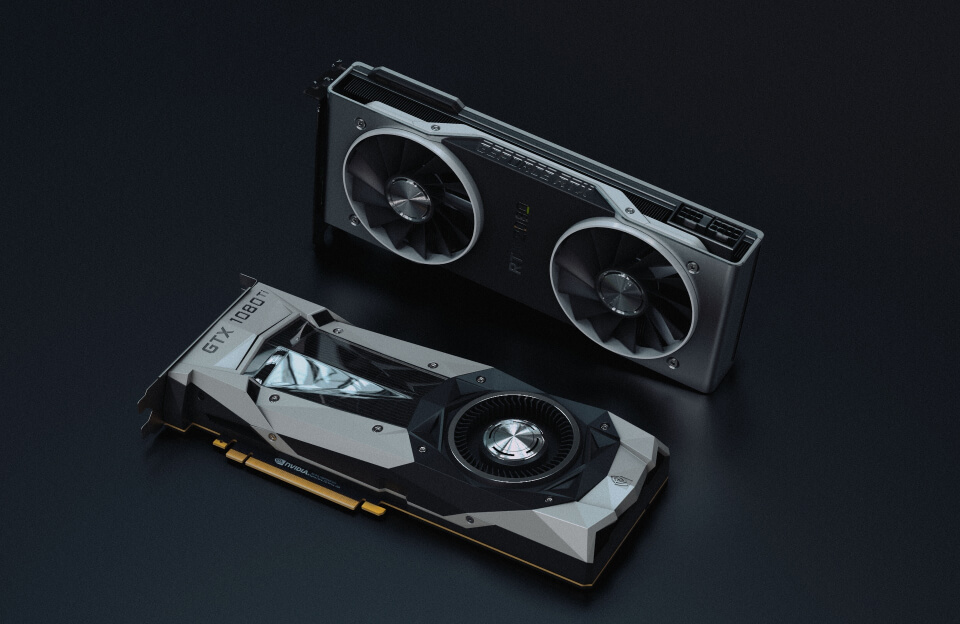
Air coolers remain the most accessible GPU aftermarket cooler option, and manufacturers have refined blade geometry, fan control algorithms, and heat‑pipe configurations to push limits. Companies such as NVIDIA and AMD ship reference designs that now feature dual‑fan AX series with semi‑passive mode, reducing acoustic output during light workloads.
Key innovations include:
- Improved fin density that maximizes surface area without restricting airflow.
- Hybrid copper‑aluminum heat pipes for faster heat transfer.
- Intelligent fan curves powered by AI‑driven sensors to balance temperature and noise.
Benchmarks from reputable tech outlets show that top‑tier air coolers can keep high‑end GPUs under 80 °C while gaming at 144 Hz, provided the case offers sufficient intake. For users constrained by budget or space, an air solution paired with high‑quality thermal paste (e.g., Arctic MX‑5) can rival entry‑level liquid setups.
All‑In‑One (AIO) Liquid Coolers
AIO liquid coolers have become a mainstream choice for gamers seeking lower temperatures and quieter operation. These closed‑loop units contain a pump, radiator, and a GPU‑specific cold plate, eliminating the need for a custom loop. Brands like EVGA, Corsair, and NZXT dominate the market with 120mm, 240mm, and even 360mm radiator options.
When evaluating an AIO, consider the following performance factors:
- Radiator size: Larger radiators dissipate more heat but require compatible case mounts.
- Pump reliability: Look for magnetic‑levitation pumps that reduce vibration and noise.
- Coolant longevity: Pre‑filled, non‑toxic coolants typically last 3‑5 years before replacement is advisable.
Independent testing by Tom’s Hardware indicates that a 240mm AIO can lower GPU temperatures by 10‑15 °C compared to premium air coolers, especially during sustained 4K gaming sessions. However, ensure that your chassis can accommodate the radiator and that the power supply can handle the additional draw.
Hybrid Vapor Chamber Designs
The vapor chamber represents a hybrid approach, combining the rapid heat spread of a liquid with the simplicity of an air cooler. Modern GPUs from manufacturers such as ASUS and MSI integrate a thin vapor chamber directly beneath the GPU die, which then transfers heat to an attached fin stack and fan array.
Advantages of vapor chamber technology include:
- Uniform temperature distribution across the GPU surface, reducing hotspot risk.
- Enhanced cooling efficiency without the complexity of external liquid loops.
- Compact form factor suitable for small‑form‑factor (SFF) builds.
According to a thermal analysis published by the National Institute of Standards and Technology, vapor chambers can achieve a thermal resistance as low as 0.1 °C/W, outperforming traditional copper heat pipes by up to 30 %. For overclockers who demand consistent performance, a vapor‑chamber‑enhanced card often provides the best balance of heat management and acoustic comfort.
Custom Loop Cooling for Extreme Performance
For the most demanding users—such as competitive e‑sports athletes or workstation professionals—custom water‑cooling loops deliver unparalleled thermal headroom. A bespoke system typically includes a reservoir, pump, CPU and GPU water blocks, radiators, and flexible tubing, all configured to the individual’s case layout.
Key considerations when building a custom loop:
- Block compatibility: Verify that the GPU water block matches the exact PCB layout of your graphics card.
- Flow rate: Aim for 0.5–0.8 L/min to ensure adequate coolant turnover without excessive pump noise.
- Coolant selection: Use distilled water mixed with a biocide and anti‑corrosion additive to prevent microbial growth.
Real‑world tests from Wikipedia’s computer cooling page demonstrate that custom loops can keep flagship GPUs below 65 °C even under 100 % load at 4K resolution, providing a performance boost of up to 5 % due to higher boost clocks. The trade‑off is higher initial cost, increased maintenance, and the need for careful leak testing.
Choosing the Right Solution for Your Build
Selecting the optimal GPU cooling method hinges on three primary factors: budget, case constraints, and performance goals. Below is a concise comparison to guide your decision.
- Air Cooling: Best for cost‑sensitive builds, easy installation, and adequate performance for most gamers.
- AIO Liquid: Ideal for users who want quieter operation with moderate temperature reductions without custom‑loop complexity.
- Vapor Chamber: Perfect for compact builds where space is limited but thermal efficiency is essential.
- Custom Loop: Suited for enthusiasts demanding the lowest possible temperatures and willing to invest time in maintenance.
Regardless of the method you choose, remember that proper case airflow, regular dust removal, and applying a high‑quality thermal interface material remain critical for sustained cooling performance.
Conclusion
Understanding the landscape of Top GPU Cooling Solutions empowers you to tailor your cooling strategy to your exact needs, whether that’s silent 1080p gaming or maxed‑out 4K performance. By weighing the advantages of air coolers, AIO units, vapor chambers, and custom loops, you can achieve the perfect balance of temperature, noise, and cost.
Ready to upgrade your graphics card cooling? Explore the options above, pick the solution that aligns with your build, and experience the performance gains for yourself.
Frequently Asked Questions
Q1. What is the main difference between air cooling and liquid cooling for GPUs?
Air cooling relies on fans and heat‑pipes to move heat away, while liquid cooling circulates coolant through a cold plate and radiator. Air coolers are easier to install and cheaper, but liquid solutions typically achieve lower temperatures and quieter operation. The choice depends on your performance needs, case space, and budget.
Q2. Are AIO liquid coolers difficult to install on a GPU?
All‑in‑One (AIO) coolers are designed for straightforward installation, using a pre‑filled loop that mounts directly to the GPU’s cold plate. You will need to secure the radiator to the case and connect the power cable, but no custom plumbing is required. Most manufacturers provide step‑by‑step guides to simplify the process.
Q3. How does a vapor chamber improve GPU cooling?
A vapor chamber spreads heat evenly across its surface via phase‑change technology, reducing hotspots on the GPU die. This uniform heat distribution allows the attached fan array to dissipate heat more efficiently. Vapor chambers offer performance close to liquid cooling while maintaining the simplicity of an air cooler.
Q4. When should I consider building a custom water‑cooling loop?
A custom loop is ideal for enthusiasts who demand the lowest temperatures for extreme overclocking or silent 4K gaming. It provides the greatest thermal headroom but requires more planning, higher cost, and regular maintenance. If you prioritize maximum performance and are comfortable with assembly and leak testing, a custom loop is the best choice.
Q5. Does the choice of thermal paste affect GPU temperatures significantly?
Yes, a high‑quality thermal interface material like Arctic MX‑5 can reduce thermal resistance between the GPU die and cooler. While the temperature difference may be modest (1‑3 °C), it can be critical when pushing the card to its limits. Reapplying fresh paste during a cooler upgrade is a recommended practice.