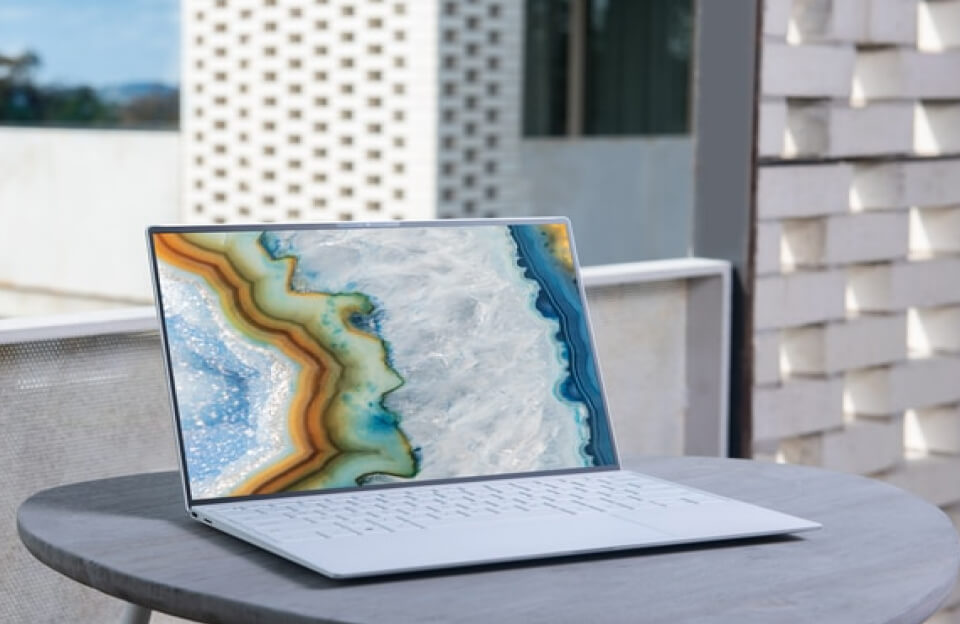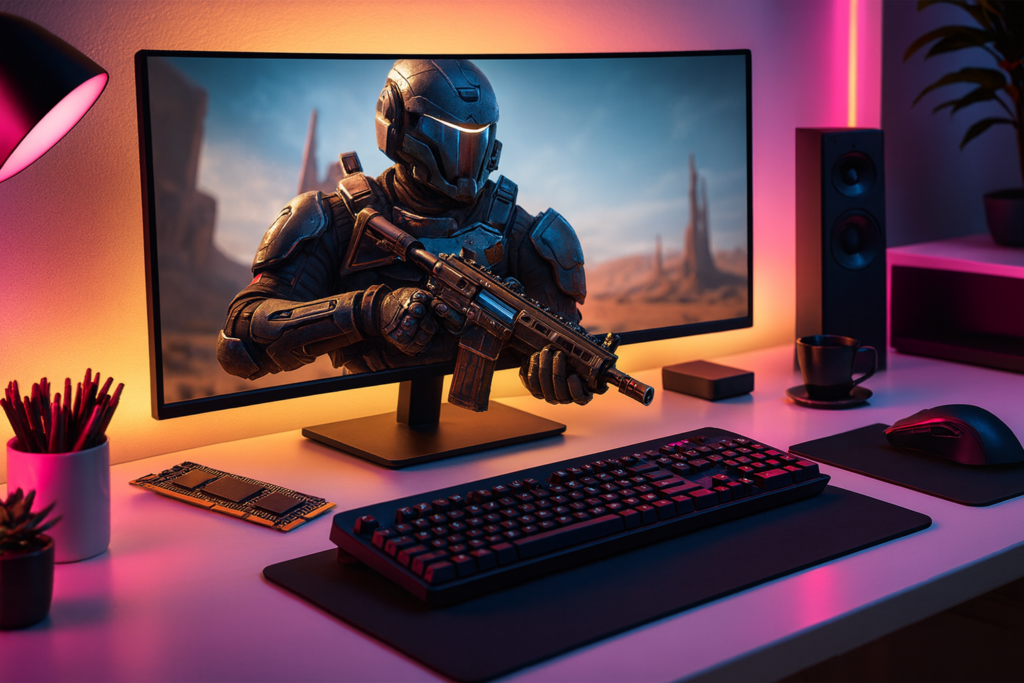
Cloud Gaming Shift has accelerated the way gamers connect to titles, moving the traditional console and PC experience into a cloud‑based ecosystem. With providers streaming graphics and game logic from remote data centers, players no longer need expensive hardware to enjoy the latest releases. This paradigm change has sparked intense competition among studios, platforms, and network operators to secure the best mix of performance, cost, and availability.
The Rise of Cloud Gaming Infrastructure
At the core of the Cloud Gaming Shift is a robust hardware stack that spans powerful GPUs, ultra‑low latency networking, and geographically distributed edge servers. Major entrants like NVIDIA, Google, and Amazon have invested billions to build data centers that sit closer to consumers, reducing input lag and improving frame fidelity. According to a 2023 industry report, the average distance between end users and edge nodes dropped from 2,200 miles in 2020 to just 400 miles today.
- High‑performance servers equipped with NVIDIA RTX or AMD Instinct GPUs
- Fiber‑optic connections to backbone networks
- Optimized server‑side rendering pipelines
- Dynamic load‑balancing algorithms that place games closer to players
Data centers act as the nervous system of the Cloud Gaming Shift. They host game servers, maintain multiplayer state, and provide the processing power required to render high‑resolution textures in real time. As service providers ramp up cooling and power efficiency, they can scale more games at lower cost. Industry analysts predict that by 2027, the global edge‑compute market will exceed 100 billion dollars, an increase driven largely by cloud gaming demand.
These figures are echoed by recent research from Statista, which shows an annual growth rate of 18% in edge‑compute spending over the past five years.
Latency and the 5G Revolution
Latency remains the Achilles heel of any remote gaming platform. Even a few milliseconds of delay can break immersion, especially in competitive shooter or fighting titles. The shift to cloud gaming has spurred a parallel race to reduce round‑trip times, which led to the development of 5G networks capable of sub‑10‑millisecond latencies.
5G delivers not just speed but also reliability through network slicing and edge caching, allowing game data to be processed in proximity to end users. Moreover, network operators now support dedicated game traffic layers that prioritize packet transmission, reducing jitter and packet loss. This synergy is the foundation of today’s smooth, console‑like experiences streaming from the cloud.
As reported by the FCC 5G Initiative, carriers are investing over $80 billion to expand nationwide 5G coverage, a move that directly benefits cloud gaming consumers.
Market Growth and Consumer Adoption
Since the launch of platforms like Google Stadia in 2018, cloud gaming has seen a steady uptick in user numbers. According to an IDC report, worldwide subscriptions reached 45 million by the end of 2022, representing a 25% increase over the previous year.
Amazon Luna, Xbox Cloud Gaming, and PlayStation Now have each contributed their share of the market, with user bases spanning more than 600 million globally. Surveys indicate that 63% of gamers are open to trying cloud services, especially those that bundle premium titles or offer flexible trial periods.
Readers interested in a broader historical context can consult the Wikipedia entry on cloud gaming, which outlines milestones from early experiments to current commercial deployments.
Subscription Models and Pricing Strategies
The revenue model for cloud gaming is evolving. Traditional one‑time purchases are gradually being supplanted by subscription tiers that grant access to a library of titles. Many services offer tiered pricing: a basic package including select games, a mid‑tier with additional exclusive releases, and a premium bundle featuring full access and higher bandwidth.
For instance, Xbox Cloud Gaming’s X Cloud Play is bundled into the existing Xbox Game Pass Ultimate subscription, while Nvidia GeForce Now’s Founders tier allows up to 1080p at 120 fps for a monthly fee. This layered approach mirrors the subscription economy adopted by streaming giants like Netflix and Spotify, making high‑quality gaming more approachable for budget‑conscious households.
However, the shift also brings heightened scrutiny over digital rights management (DRM) and anti‑cheat measures. Platform vendors must balance protecting intellectual property with the latency constraints of real‑time game state synchronization. Recent collaborations between developers and cloud vendors aim to embed anti‑piracy checks into the rendering pipeline itself.
Security and Digital Rights Management
Security is paramount when game sessions are distributed across global servers. Authentication protocols such as OAuth 2.0 and secure tokens are now standard to prevent unauthorized access. Moreover, end‑to‑end encryption protects sensitive player data during transmission.
Edge servers also employ hardware attestation techniques, ensuring that no tampering has occurred during game execution. These measures help mitigate server‑side cheat exploits and maintain fair competition.
The challenges faced by cloud platforms are similar to those addressed by the MIT Technology Review, which outlines how DRM must evolve alongside cloud infrastructures.
Future Outlook: Hybrid Play and Edge Computing
Hybrid play offers the convenience of a local console with the scalability of the cloud. Users can initiate a session on a wall‑mounted device and then switch to a handheld or cloud console without losing progress. This adaptability encourages longer gameplay sessions and broader platform loyalty.
Edge computing will also play a pivotal role, as game streaming becomes increasingly resource‑intensive with virtual reality (VR) and augmented reality (AR) integration. By running compute workloads closer to players, latency can be reduced to under 5 ms, a threshold that would make cloud‑based VR experiences competitive with native solutions.
A recent paper published in the Proceedings of the ACM SIGGRAPH conference demonstrated that edge‑based VR rendering achieves up to a 50% reduction in latency compared to distant cloud facilities, indicating a viable path forward.
One key advantage of hybrid play is cross‑save compatibility. By syncing game states across local and cloud instances, players can pick up seamlessly, regardless of where they are. This encourages long‑term engagement and reduces churn for publishers. The result is a more resilient business model that capitalizes on multiple revenue streams.
Gaming hardware manufacturers are also adapting. Several console makers now include powerful GPUs and dedicated networking modules that can act as local render nodes for streaming. This hybrid strategy reduces reliance on external servers while still offering the flexibility of cloud gaming. It reflects the industry’s trend toward a seamless, multi‑environment experience.
Furthermore, content creators and streamers see new monetization pathways. With cloud gaming platforms hosting in‑game events, audiences can live‑watch gameplay without owning the title. This access expands viewership and creates new sponsorship opportunities. Platforms are experimenting with real‑time analytics to optimize viewer engagement.
The regulatory landscape is also evolving. Countries are updating digital commerce laws to cover streaming game services. These changes affect licensing agreements, data residency requirements, and consumer protection rules. Companies must adapt quickly to remain compliant across diverse jurisdictions.
From an environmental perspective, cloud gaming offers potential sustainability benefits. Centralized data centers can be optimized for energy efficiency, reducing the overall carbon footprint compared to widespread consumer hardware. However, the increased data traffic also contributes to network emissions, necessitating careful management. Industry initiatives like green cloud programs are emerging to address this balance.
Finally, educational institutions are beginning to leverage cloud gaming for STEM learning. By providing interactive simulations and complex problem‑solving environments, they can engage students in immersive ways that traditional lab setups cannot match. Access to high‑performance compute without expensive equipment democratizes educational opportunities.
Whether you’re an avid gamer, a studio developer, or a networking professional, the Cloud Gaming Shift signals a transformation that touches every layer of the entertainment ecosystem.
Staying informed about infrastructure updates, pricing changes, and emerging security protocols will be essential to navigate the competitive landscape.
Join the conversation, explore the cutting‑edge platforms, and consider how cloud gaming can elevate your own projects or gaming habits. Subscribe to our newsletter for the latest trends, demos, and expert analyses—unlock the future of play today.