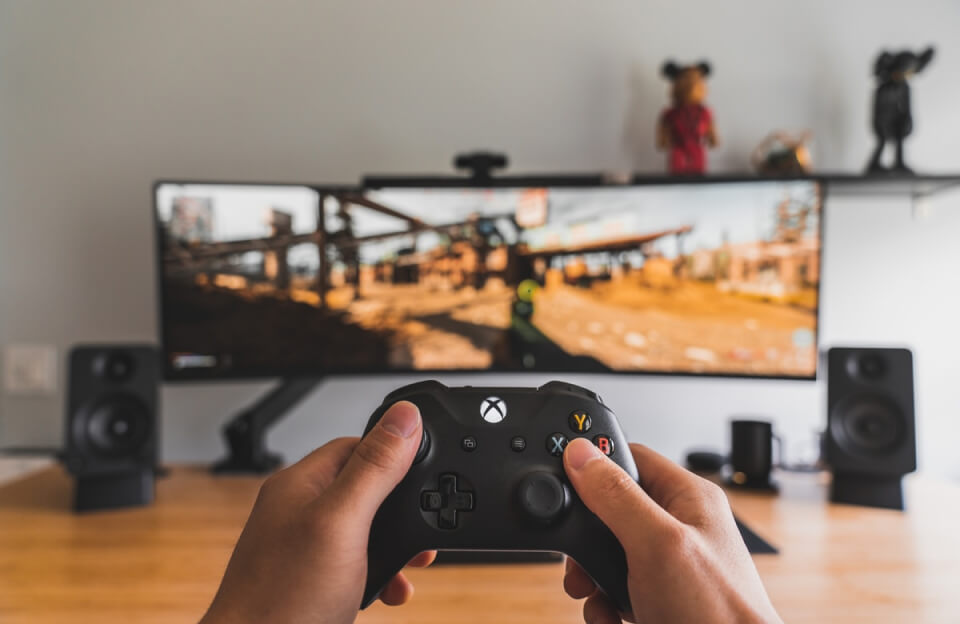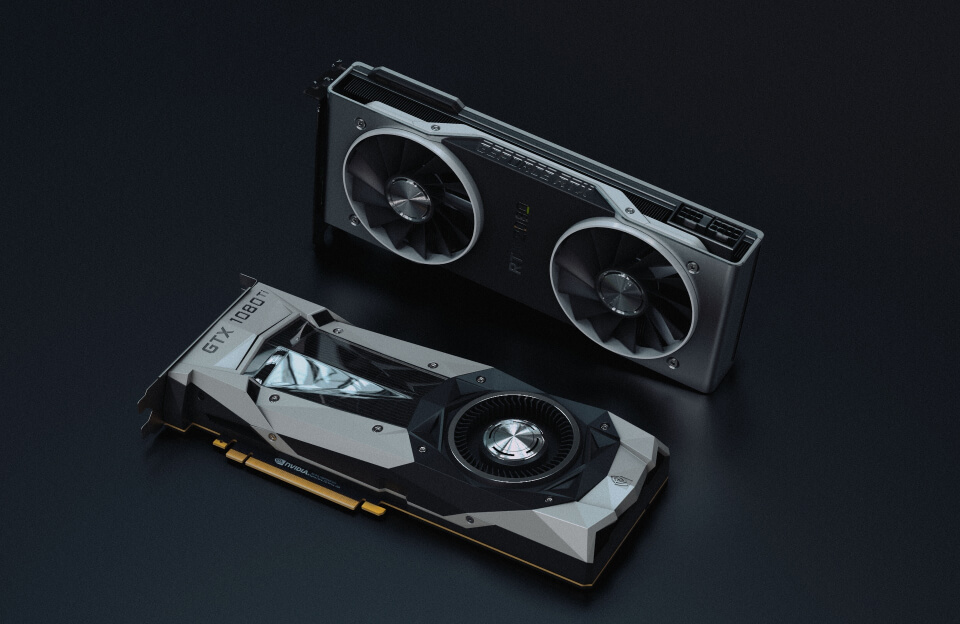
When you’re ready to give your gaming rig a fresh lease of life, the temptation to splurge on every shiny new component can be overwhelming. A Gaming PC Upgrade doesn’t have to break the bank if you follow a strategic, budget‑friendly roadmap. By focusing on the right parts, avoiding unnecessary upgrades, and planning for future-proofing, you can achieve a high‑performance machine that stays within your financial limits.
Gaming PC Upgrade: Define Your Goals
Before you even touch a screw, ask yourself what you truly want from the upgrade. Are you chasing higher frame rates in 4K titles, or do you need a smoother experience in competitive esports? Setting clear objectives helps you prioritize components and avoid overspending on features that won’t impact your gameplay. For example, if you’re mainly playing at 1080p, a mid‑range GPU will often deliver more bang for your buck than a top‑tier card that’s overkill for your resolution.
Gaming PC Upgrade: Conduct a Component Audit
Take inventory of what you already have. A quick audit reveals which parts are still viable and which are bottlenecks. Use tools like CPU-Z or the built‑in Windows Performance Monitor to check your processor’s utilization and memory usage. If your CPU is already maxing out during gaming, a new processor or a better cooling solution may be the most cost‑effective upgrade. Conversely, if your GPU is the limiting factor, focus your budget there.
Gaming PC Upgrade: Prioritize Component Selection
Once you know where the bottlenecks lie, you can make informed choices about which parts to replace. Here’s a quick checklist to keep your upgrade on track:
- Graphics Card: Choose a model that matches your resolution and refresh rate. For 1080p, a GTX 1660 Super or RTX 3060 offers excellent performance without a steep price tag.
- Processor: Aim for a CPU that can keep up with your GPU. A Ryzen 5 5600X or Intel Core i5‑12400 balances price and performance well.
- Memory: 16 GB of DDR4 at 3200 MHz is sufficient for most games today. If you plan to stream or run virtual machines, consider 32 GB.
- Storage: An NVMe SSD (500 GB–1 TB) dramatically reduces load times. Pair it with a secondary SATA drive for bulk storage.
- Power Supply: A 650‑W 80+ Gold PSU provides headroom for future upgrades and efficient power delivery.
- Cooling: Stock coolers are fine for many CPUs, but a budget aftermarket cooler can lower temperatures and noise.
By focusing on these core components, you avoid the temptation to upgrade peripherals or accessories that won’t noticeably improve gameplay.
Gaming PC Upgrade: Optimize Thermal Management
Heat is the enemy of performance. Even a modest overclock can push a system into thermal throttling if cooling is inadequate. Here are proven, inexpensive ways to keep temperatures in check:
- Replace the stock CPU cooler with a reliable aftermarket model such as the Cooler Master Hyper 212.
- Ensure proper case airflow by installing at least one intake and one exhaust fan.
- Use high‑quality thermal paste (e.g., Arctic MX‑4) to improve heat transfer.
- Keep the interior dust‑free; a simple microfiber cloth can prevent airflow obstruction.
Good thermal management not only preserves performance but also extends component lifespan, giving you more value for your money.
Gaming PC Upgrade: Plan for Future-Proofing
Technology evolves rapidly, but you can future-proof your build without overspending. Consider the following:
- Choose a motherboard with a robust chipset that supports the latest CPU generations.
- Opt for a PSU with a higher wattage rating than you currently need; this allows room for a future GPU upgrade.
- Invest in a fast NVMe SSD now, as storage speeds will only improve.
- Keep an eye on upcoming game releases; if they demand higher specs, you’ll be ready to upgrade a single component rather than the entire system.
By building with flexibility in mind, you avoid the cycle of constant, costly upgrades.
Gaming PC Upgrade: Avoid Common Overspending Traps
Even with a solid plan, certain pitfalls can inflate costs:
- Buying the Latest GPU: New releases often carry a premium that doesn’t translate to proportional performance gains.
- Overkill Peripherals: High‑end monitors, keyboards, and mice are nice, but they rarely impact in‑game performance.
- Unnecessary Overclocking: While overclocking can boost performance, it also increases power draw and heat. Stick to modest gains unless you’re comfortable with the trade‑offs.
- Ignoring Compatibility: Mixing incompatible parts can lead to wasted money on replacements.
Sticking to a well‑researched, budget‑conscious plan keeps your upgrade lean and effective.
Gaming PC Upgrade: Final Checklist Before You Buy
Before you hit the checkout button, run through this quick checklist:
- Have you verified component compatibility (socket, power, case size)?
- Does the new GPU fit in your case and have enough clearance?
- Is your PSU rated for the new power draw?
- Have you compared prices across reputable retailers and considered used options?
- Do you have a backup plan for potential warranty or return issues?
Answering these questions reduces the risk of costly mistakes.
Gaming PC Upgrade: Take Action Now
Ready to transform your gaming experience without draining your wallet? Start by mapping out your goals, auditing your current setup, and selecting the right components. Remember, a smart Gaming PC Upgrade is about strategic choices, not impulse buys. Keep your budget in mind, prioritize performance, and stay vigilant against common overspending traps. Upgrade today and enjoy smoother, more immersive gameplay tomorrow.
Frequently Asked Questions
Q1. What are the most important components to upgrade for a gaming PC?
The graphics card, processor, and memory are typically the biggest performance drivers. A modern GPU paired with a capable CPU ensures smooth gameplay, while 16 GB of DDR4 RAM is sufficient for most titles. Adding an NVMe SSD dramatically reduces load times, and a reliable PSU guarantees stable power delivery. Finally, proper cooling keeps components from throttling under load.
Q2. How can I avoid overspending on a new GPU?
Research price‑to‑performance ratios and avoid the hype around the latest releases. Look for previous‑generation cards that still deliver strong performance at a lower cost. Compare prices across reputable retailers and consider certified refurbished or gently used options. Stick to a GPU that matches your resolution and refresh rate needs.
Q3. Is it worth upgrading my cooling system?
Yes, especially if you notice thermal throttling or high temperatures during gaming sessions. A budget aftermarket cooler can lower temperatures and reduce noise compared to stock solutions. Ensure your case has adequate airflow with at least one intake and one exhaust fan. Good cooling also extends component lifespan.
Q4. How do I ensure compatibility between new parts?
Check the CPU socket and chipset compatibility with your motherboard. Verify that the GPU fits within your case’s dimensions and that the PSU has enough wattage and the correct connectors. Confirm that the RAM speed is supported by the motherboard. Use online compatibility checkers or consult the manufacturer’s specifications.
Q5. What future‑proofing steps should I take?
Choose a motherboard with a robust chipset that supports upcoming CPU generations. Opt for a PSU with higher wattage than currently needed to accommodate future upgrades. Invest in a fast NVMe SSD now, as storage speeds will only improve. Keep an eye on upcoming game releases and plan to upgrade a single component rather than the entire system.