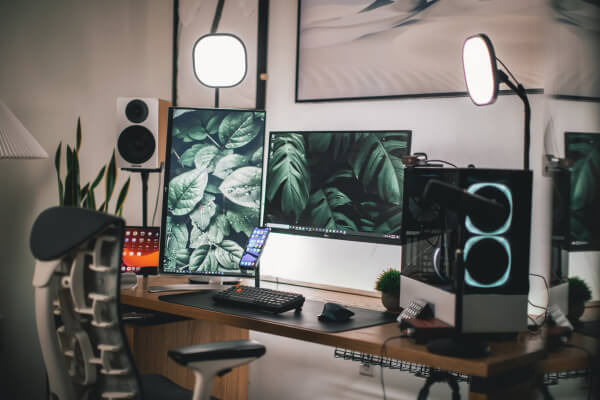
Building a gaming PC that delivers high performance without breaking the bank is a balancing act. The term Gaming PC Components covers everything from the central processing unit (CPU) to the power supply unit (PSU), and each part plays a pivotal role in the overall experience. In this guide, we’ll walk through the most critical decisions, ensuring you spend wisely while still enjoying smooth gameplay and future‑proofing your rig.
Prioritize Core Components First
When budgeting for a gaming build, the core components—CPU, GPU, and motherboard—should receive the highest priority. These parts determine the baseline performance and compatibility of your system. A powerful GPU paired with a weak CPU can lead to bottlenecks, while a high‑end CPU with a mediocre graphics card will underutilize its potential. Start by selecting a CPU that matches your gaming needs and pair it with a GPU that offers the best price‑to‑performance ratio for your budget.
CPU Performance Matters
Modern games often rely on multi‑core processing, but many titles still benefit from high single‑thread performance. For a budget build, consider AMD’s Ryzen 5 5600X or Intel’s Core i5‑13400F—both provide excellent performance for their price. These CPUs also support future upgrades, allowing you to swap in a higher‑tier processor later without changing the motherboard.
GPU Price and Value
The GPU is typically the most expensive component. Look for models that offer solid 1080p or 1440p performance without the premium price tag. The NVIDIA GeForce RTX 3060 or AMD Radeon RX 6600 XT are popular choices that balance cost and capability. Keep an eye on sales and consider slightly older generations if they meet your performance goals.
Balance CPU and GPU for Optimal Performance
Once you’ve chosen your CPU and GPU, ensure they complement each other. A mismatch can lead to wasted money and subpar gaming. Use online tools like PCPartPicker to simulate builds and check for bottlenecks. Aim for a CPU that can keep up with your GPU’s frame‑rate potential, especially if you plan to play at higher resolutions or enable ray tracing.
Memory and Storage Choices
RAM and storage are often overlooked but can dramatically affect load times and multitasking. For gaming, 16 GB of DDR4 or DDR5 RAM is the sweet spot. If you’re on a tight budget, 8 GB may suffice for older titles, but 16 GB ensures smooth performance in modern games and future titles. When it comes to storage, a 500 GB NVMe SSD provides fast load times, while a secondary 1 TB HDD can store larger libraries.
- RAM Upgrade: 16 GB DDR4 3200 MHz or DDR5 4800 MHz
- Primary Storage: 500 GB NVMe SSD (PCIe 3.0 or 4.0)
- Secondary Storage: 1 TB HDD for bulk media
- Cooling: Stock cooler or aftermarket air cooler (e.g., Noctua NH‑CH12)
- Power Supply: 550 W 80+ Bronze certified PSU
Cooling and Power Efficiency
Efficient cooling keeps temperatures low, extending component lifespan and maintaining performance. Air cooling is often the most cost‑effective solution, but if you plan to overclock, consider a small liquid cooling loop. Additionally, choose a PSU with a high efficiency rating (80+ Bronze or better) to reduce energy consumption and heat output. A reliable PSU also protects your investment from power surges.
Power Supply Unit (PSU) Reliability
Investing in a reputable PSU brand—such as Corsair, EVGA, or Seasonic—provides better protection and longevity. Look for units that offer modular cables for cleaner builds and easier cable management. A 550 W PSU is sufficient for most mid‑range builds, but if you plan to upgrade to a higher‑end GPU, consider a 650 W or 750 W unit.
Future‑Proofing and Upgrade Paths
Gaming PCs evolve quickly, so building with upgrade potential in mind saves money in the long run. Choose a motherboard with extra PCIe slots, ample RAM slots, and support for the latest standards (PCIe 4.0 or 5.0). Opt for a case that offers good airflow and room for additional drives or cooling solutions. By planning ahead, you can swap out the GPU or add more storage without a full rebuild.
Case and Airflow
A well‑ventilated case reduces the need for expensive aftermarket cooling. Look for cases with mesh front panels and multiple fan mounts. A 120 mm or 140 mm fan on the front and rear, plus a top or bottom exhaust, ensures efficient airflow.
Conclusion: Build Smart, Play Hard
Spending wisely on Gaming PC Components means prioritizing core parts, balancing performance, and planning for future upgrades. By selecting a capable CPU and GPU, investing in adequate RAM and fast storage, and ensuring efficient cooling and power delivery, you’ll create a system that delivers smooth gameplay now and remains relevant for years to come. Ready to start your build? Visit PCPartPicker to compare parts and find the best deals today!
Frequently Asked Questions
Q1. How do I choose the right CPU for a gaming build?
When selecting a CPU, balance single‑thread performance with multi‑core capability. For most gamers, a mid‑range processor like the Ryzen 5 5600X or Intel Core i5‑13400F offers excellent performance for its price. Ensure the motherboard supports the CPU’s socket and future upgrades, so you can swap in a higher‑tier chip later without replacing the board.
Q2. What GPU gives the best value for 1080p gaming?
The NVIDIA GeForce RTX 3060 and AMD Radeon RX 6600 XT are popular choices that deliver solid 1080p performance without a premium price tag. Look for sales or slightly older generations if they meet your resolution and frame‑rate goals. Pairing a GPU with a compatible CPU prevents bottlenecks and maximizes value.
Q3. Is 16GB RAM enough for modern games?
Yes, 16GB of DDR4 or DDR5 RAM is the sweet spot for most current titles and future releases. While 8GB may suffice for older games, 16GB ensures smooth multitasking and reduces load times. If you plan to stream or run memory‑intensive applications, consider upgrading to 32GB later.
Q4. Should I invest in a liquid cooler?
Air cooling is typically sufficient for most gaming builds, especially if you’re not overclocking. A high‑quality air cooler like the Noctua NH‑CH12 can keep temperatures low and is easier to install. Liquid cooling is worthwhile only if you plan aggressive overclocking or want a quieter, more aesthetic setup.
Q5. How much wattage PSU do I need for a mid‑range build?
A 550W 80+ Bronze PSU is adequate for most mid‑range configurations featuring a single mid‑tier GPU. If you anticipate upgrading to a higher‑end card or adding more components, consider a 650W or 750W unit for headroom. Choose reputable brands and modular cables for cleaner builds.