When you’re stepping into the world of building your own gaming PC for the first time, the excitement can quickly turn into overwhelm. Between choosing a GPU that won’t overheat, finding a case with adequate airflow, and making sure the power supply can handle the load, it’s easy to lose sight of the safest path. That’s why we’ve put together a set of practical, safe gaming PC upgrade tips that keep the system stable, protect your components, and ensure you stay within your budget.
1. Start With a Reliable Power Calculations
One of the biggest safety pitfalls for first‑time builders is underestimating power needs. If a power supply unit (PSU) is undersized, it can fail silently, damage components, or trigger thermal shutdowns that crash your game. Always use a reputable power supply unit calculator to factor in the GPU, CPU, RAM, storage, and peripheral power loads. Add a 20–30% safety margin to future upgrades or overclocking. A 650‑W PSU is a solid starting point for most entry‑level gaming rigs.
2. Choose Components That Communicate Compatibility
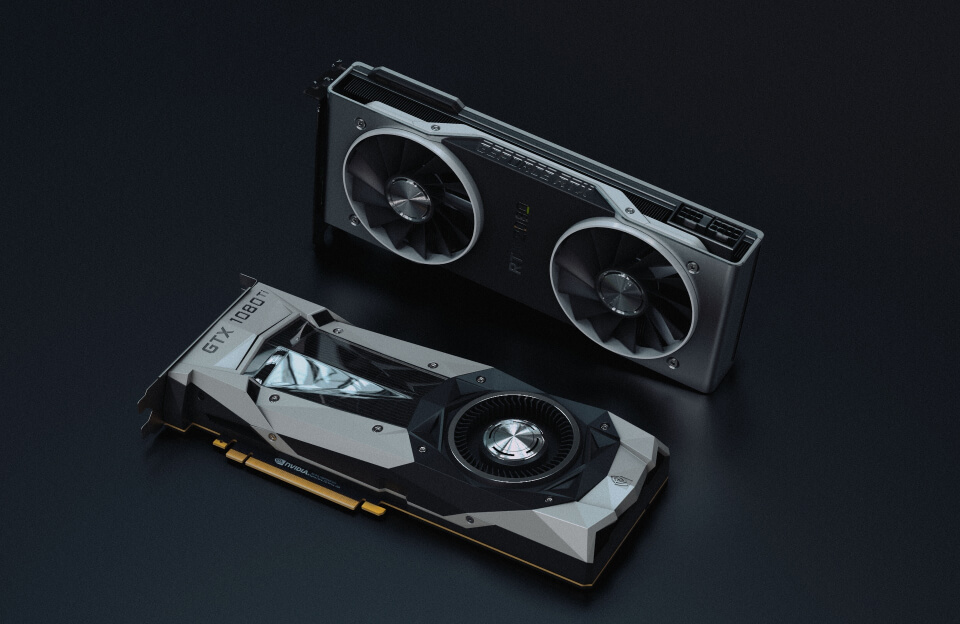
Component mismatch can lead to voltage spikes or insufficient airflow. Selecting a CPU and motherboard that both support the same memory speed and socket type eliminates surprises. For example, pairing an AMD Ryzen processor with a B550‑series board ensures that you get the best performance out of both parts. Likewise, match the GPU’s power connectors to the PSU’s available rails—most modern GeForce RTX cards need one 8‑pin or two 6‑pin adapters, which many entry‑level PSUs no longer supply. This careful pairing reduces the risk of component failure during extended gaming sessions.
3. Build Around Advanced Cooling for Safer Performance
Thermal throttling is a frequent safety issue that can reduce both lifespan and performance. Install at least one rear exhaust fan and one intake fan to create a positive pressure environment. A pre‑built 120‑mm radiator or a high‑quality 240‑mm cooler for the CPU can keep temperatures below 70°C even under load. If you go overclock, add additional case fans or choose a case with a dedicated VRM heatsink. Proper cooling not only improves stability during raids but also protects delicate components from long‑term heat damage.
4. Practice Dust‑Free and Short‑Circuit Precautions
A clean build area is a vital safety step, especially for beginners. Keep your workspace free of clutter, use static‑free wrist straps, and work on a non‑conductive surface. Dust not only clogs fans but also can create static charges that damage motherboard capacitors. After installing all components, perform a visual inspection to confirm that no screws or cables are misplaced or touching the power connector rails. A quick pre‑boot test with a single load on the CPU and GPU can reveal any short circuits before you power up all components.
5. Verify BIOS Settings and Update Firmware Safely
Outdated firmware can cause instability or power delivery issues. Download the latest BIOS for your motherboard from the official manufacturer’s website before beginning the build. Use the BIOS update tool recommended for your board, normally accessed through a dedicated USB mode. Enable XMP for memory by default, as this automatically sets the correct voltage and timings, reducing power spikes that lead to crashes. Finally, disable any unnecessary integrated graphics or onboard audio if using discrete components – this reduces the number of active voltage rails.
6. Use Quality Cables for Power and Data
High‑quality cables reduce voltage drops and can help protect against sudden power surges. A short, gold‑fingered power cable between the PSU and motherboard ensures better contact. For data, choose a reputable brand for your motherboard’s SATA and PCIe connectors. Cheap, flexible cables may flex and break after a few months of heavy usage, especially in a high‑traffic gaming PC. Reliable connections mean less chance of a random disconnect or a component failing after critical gameplay.
7. Incorporate a Surge Protector and a UPS
Unexpected power disruptions are a real safety concern. Plug your PSU into a certified surge protector to mitigate voltage spikes caused by lightning or brownouts. For prolonged gaming sessions, consider an uninterruptible power supply (UPS) which can provide backup power and a safe shutdown procedure. This approach prevents corrupted game saves and protects your SSDs from abrupt power loss, keeping your system and data safe.
8. Test Incrementally to Isolate Issues Early
Once assembled, power on the system with minimal load: just the CPU, a single stick of RAM, and the GPU. If the boot sequence succeeds, add additional RAM sticks, GPUs, or storage drives one at a time. Notice any fan noise changes or thermal warnings. This incremental testing isolates problematic components early, saving you from troubleshooting a full system failure later. Keep the BIOS output visible on screen; this information can be cross-referenced with PC Gamer’s PSU guide for sanity checks.
9. Keep the Inside Clean with Regular Maintenance
Dust and debris accumulate fast in a closed PC case. Use a compressor or vacuum with a brush attachment on a low‑power setting to remove dust from fans, heatsinks, and filter panels. A monthly cleaning routine keeps airflow optimal and temperature stable, drastically extending component lifespan. Also, regularly check thermal paste between the CPU and cooler; reapply after approximately 12 months or if you notice a drop in performance beyond normal throttling.
10. Rely on Community Resources and Documentation
Leverage forums like Tom’s Hardware, Reddit’s r/buildapc, and manufacturer support pages for troubleshooting tips. A well‑documented build log on Medium or a YouTube tutorial can serve as a reference if you need to revisit parts during future upgrades. Staying informed through credible sources ensures you adapt new safety protocols, such as updating firmware or replacing aging power supplies.
Call to Action
If you’re ready to take the plunge and build a safer, more reliable gaming rig, start by downloading a PSU calculator, gathering a list of compatible parts, and reviewing the recommended safety steps above. Follow our guide, test incrementally, and keep your build dust‑free. With these safe gaming PC upgrade tips, you’ll enjoy smoother gameplay and peace of mind for years to come. Start building today and lock in a safe, high‑performance gaming experience.