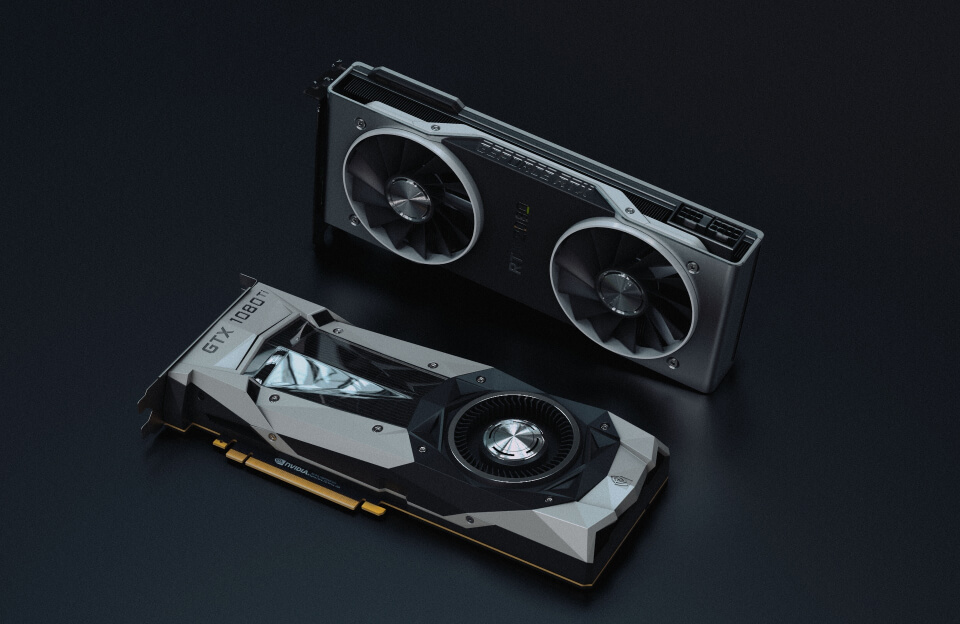
When you’re looking to boost your gaming experience, upgrading a prebuilt gaming PC can feel both exciting and intimidating. A well‑planned upgrade can unlock new titles, smoother frame rates, and a more future‑proof rig without breaking the bank. This guide will walk you through the essential steps, from understanding the architecture of your system to testing the final build, so you can upgrade the right way.
Understanding the Prebuilt Architecture
Prebuilt PCs are designed with a specific balance of components to meet a target price point and performance bracket. The most common bottlenecks are the central processing unit (CPU), the graphics processing unit (GPU), the random‑access memory (RAM), and the power supply unit (PSU). Before selecting new parts, examine the motherboard’s socket type, chipset, and expansion slots. For instance, if your motherboard uses an AMD AM4 socket, you’ll need an AM4‑compatible CPU to keep the upgrade simple.
Take advantage of the system’s expansion slots. Most prebuilt cases come with at least one PCIe x16 slot for GPUs and a few PCIe x1 slots for sound cards or storage add‑ons. Knowing which slots are available will help you determine whether you can add additional storage drives or a secondary GPU later on.
- Power delivery: Check the PSU output and verify it can support a higher‑end GPU or multiple drives.
- Cooling: Evaluate the case’s airflow. A prebuilt case may have a single front fan; upgrading to dual‑fan or a more efficient intake can greatly improve thermal performance.
- Cable management: See how easy it is to access the interior. Some cases have limited space that can restrict the installation of larger components.
Use authoritative resources like the PC case overview to understand how airflow dynamics work within a chassis. This knowledge will be invaluable when deciding whether the case can support newer, larger GPUs or additional cooling solutions.
Choosing the Right Upgrades
When planning your prebuilt gaming PC upgrade, start with the biggest performance lever: the GPU. Modern games rely heavily on graphics throughput, so selecting a GPU that matches or exceeds your display resolution is critical. For 1080p gaming, a mid‑range card like the NVIDIA GeForce RTX 3060 will suffice. If you play 1440p or 4K titles, consider a higher tier such as the RTX 4070 or AMD Radeon RX 7900 XT.
CPU selection depends on the games you play and the tasks you perform. If you’re into streaming or content creation, a high‑core Ryzen 9 or Intel Core i9 can significantly improve productivity. For a pure gaming focus, a Ryzen 5 7600 or Intel Core i5‑13600K delivers excellent performance without a steep price hike.
Memory upgrades are often overlooked but can provide a noticeable bump in performance, especially for games that rely on large cache sizes. Aim for at least 16GB of DDR4 or DDR5 RAM if you can, and ensure the new kit matches the motherboard’s supported speed. A 3200MHz kit is typically a sweet spot for DDR4, while DDR5 4800MHz offers future‑proofing.
Finally, consider a power supply upgrade if you’re installing a higher‑end GPU. A 650‑watt PSU may be insufficient for a 4K‑ready graphics card, especially if you have a high‑end processor. The PSU specifications guide recommends matching the total wattage of your components plus a 20‑40% headroom buffer.
Below is a quick reference table that matches common GPU tiers with recommended PSU wattages and minimum RAM requirements:
| GPU Tier | Recommended PSU | Minimum RAM |
|---|---|---|
| 1080p | 650 W+ | 16 GB |
| 1440p | 750 W+ | 16-32 GB |
| 4K | 850 W+ | 32 GB |
Tools and Precautions for Safe Upgrading
Before you open the case, gather the right tools. A non‑contact screwdriver, anti‑static wrist strap, and a cable management kit will make the process smoother. An anti‑static wrist strap, in particular, helps protect sensitive components from electrostatic discharge.
When working inside the case, keep an eye on the internal airflow direction. Most prebuilt cases have intake fans at the front and exhaust fans at the rear. Any addition or modification should preserve this airflow pattern. If you’re installing a larger GPU, double‑check clearance measurements and remove or relocate obstructive accessories.
Updating the BIOS can be vital, especially when adding newer CPUs or GPUs that may not be recognized by older firmware. Visit the motherboard manufacturer’s website for the latest BIOS version and follow the flashing instructions carefully. Remember to create a backup image of your current BIOS to revert if needed.
When reinstalling a new PSU, ensure that the cables match the motherboard’s supported power connectors. An inadequate or mismatched connection can cause instability or even hardware failure.
Testing and Validation After Upgrade
Once all components are physically installed, perform a hardware test before powering the system. Plug in the monitor, keyboard, and mouse, then boot. If the system doesn’t POST, double‑check all connections. Check that the memory modules are seated correctly and that the GPU is properly inserted into the PCIe slot.
After confirming a successful boot, run benchmark tests to measure performance improvements. Tools like 3DMark provide standardized gaming benchmarks to compare frame rates pre‑ and post‑upgrade. Running a few game‑specific tests (e.g., Call of Duty, Fortnite) will give you real‑world context.
Monitor temperatures using software such as HWInfo or Speccy. Ensure that the GPU stays below 80 °C under load and that the CPU stays below 75 °C. If temperatures are higher, consider adding additional case fans or improving cable management to enhance airflow.
Finally, keep an eye on system stability. Play a few games for several hours, stream if you’d normally do so, and watch for crashes or graphical glitches. If issues arise, revisit BIOS settings, check for driver conflicts, or review your thermal solution.
Conclusion: Upgrade with Confidence
Upgrading a prebuilt gaming PC the right way hinges on understanding the system’s architecture, selecting components that complement each other, and treating upgrades with the same care you’d give a custom build. By following the steps above—checking compatibility, using the right tools, updating firmware, and validating performance—you’ll turn your prebuilt rig into a high‑performing machine ready for the next generation of games.
Ready to boost your gaming power? Take the first step by evaluating your current setup against the guidelines in this guide, then start shopping for the components that will give you the best bang for your buck. For a seamless upgrade journey, keep this article handy and let it guide you from concept to smooth, high‑fps gameplay.