Building a gaming PC on a tight budget can feel like a puzzle, but with the right, data‑driven upgrades you can squeeze maximum performance per rupee without shelling out a fortune. The goal is simple: increase the raw processing power of key components while keeping the overall cost modest, so each rupee works harder. In this guide we outline budget‑friendly upgrade paths—CPU, GPU, memory, storage, cooling, and power supply—that deliver the best bang for your money. By following these strategies, you’ll enjoy smoother frame rates, higher‑quality textures, and faster load times across both indie gems and AAA blockbusters, all while staying well within your financial constraints.
Before you start swapping parts, it’s essential to identify which components most directly influence gaming performance. For most titles, the GPU accounts for the largest share of graphical power, while a strong CPU ensures smooth frame pacing and supports higher resolutions or streaming tasks. A modest amount of high‑speed RAM can reduce stutter during complex scenes, and an SSD keeps load times low enough to keep you in the action. Finally, a cooling solution that allows safe overclocking can further extend performance without increasing power draw dramatically, especially important when you need to squeeze every last bit out of a budget build.
CPU Upgrade Ideas for Maximum Performance‑Per‑Rupee
Many gamers still rely on Intel Core i3 or AMD Ryzen 3 desktop CPUs that provide sufficient single‑thread performance for mid‑range titles, but the market now offers several entry‑level CPUs that combine strong multi‑core performance with affordable pricing. For instance, the AMD Ryzen 5 5600G or Intel Core i5‑11400F deliver up to 15 % more frames in 1080p games compared to older generations, making them ideal for players who value a future‑proof baseline. The key is to pair the chosen processor with a compatible motherboard that supports DDR4 or DDR5 memory—depending on your platform choice—to avoid bottlenecks. For those looking to save, consider refurbished or OEM units from reputable sellers; they often carry performance identical to new but at a fraction of the cost. Remember to keep power consumption in mind, as a more powerful CPU may also increase overall wattage demands.
GPU Options That Maximize Performance‑Per‑Rupee
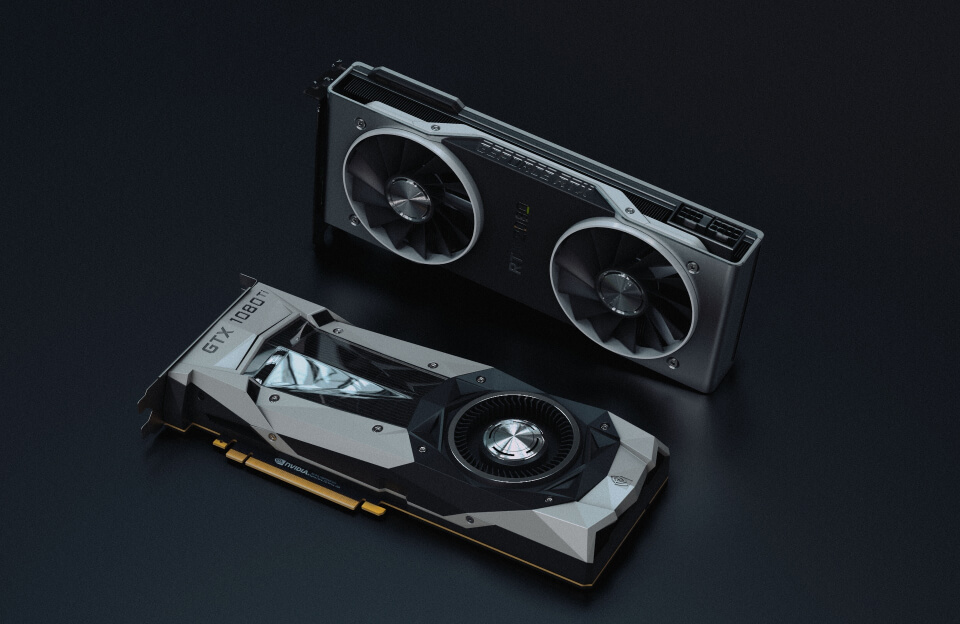
Graphics cards are the loudest part of the upgrade equation, but you don’t have to go full beast to see a noticeable boost. The NVIDIA GeForce GTX 1660 Super and AMD Radeon RX 6500 XT offer excellent 1080p gaming at 60–75 fps for titles like Call of Duty (2012) and The Legend of Zelda: Breath of the Wild. Both cards sit well under the ₹40,000 mark (≈$450) and provide a 30–40 % performance uplift over integrated graphics. If you’re willing to stretch the budget slightly, the RTX 3050 Ti adds ray‑tracing support and DLSS, giving you a future‑proof edge without a steep price hike. Be sure to run a quick benchmark test on your specific models using tools such as TSR Benchmark to confirm real‑world gains. Always check the power supply unit (PSU) requirements; a 650‑Watt PSU is often the sweet spot for these GPUs.
- GTX 1660 Super – ₹12,000
- RX 6500 XT – ₹10,500
- RTX 3050 Ti – ₹18,000
- RTX 3060 – ₹25,000
Ram and Storage Upgrades for Better Performance‑Per‑Rupee
RAM upgrades may seem minor, but moving from 8 GB to 16 GB DDR4 at 3200 MHz reduces hitching in larger worlds and allows background processes to run smoothly. Look for kits that double the stick count to maintain dual‑channel performance, and remember that most modern motherboards are DDR4‑oriented; DDR5 remains premium and less common in budget setups. For storage, a 500‑GB or 1‑TB NVMe SSD offers launch‑time advantages that an HDD simply can’t match. The Samsung 970 EVO Plus (≈₹8,500) or Western Digital Blue SN570 (≈₹7,000) provide a blend of speed, price, and reliability that can shave significant loading time from your favorite games. Combining a fast memory module with an NVMe drive creates a synergy that often yields a compounding performance effect, especially in games that load many assets on the fly, such as Apex Legends or Red Dead Redemption 2.
| Component | Minimum Price (₹) | Recommended Price (₹) | Comments |
|---|---|---|---|
| CPU | ₹9,000 | ₹15,000 | Balance performance and power |
| GPU | ₹12,000 | ₹18,000 | Maximize 1080p FPS |
| RAM | ₹4,000 | ₹5,000 | 16 GB dual‑channel |
| SSD | ₹7,000 | ₹9,000 | NVMe storage |
| PSU | ₹5,000 | ₹6,000 | 80 % PLUS Bronze |
| Case & Fans | ₹3,000 | ₹5,000 | Good airflow |
Effective Cooling to Extend Performance‑Per‑Rupee
Heat throttling can silently kill your frame rates if the CPU or GPU overheats. A decent air cooler, such as the Cooler Master Hyper 212 EVO, offers reliable temperature control for CPU overclocking while staying under ₹3,000. For GPUs, most modern cards come with adequate cooling; however, installing a set of 120 mm fans in the case can improve airflow and keep vents cool, especially during extended play sessions. Not to be ignored, a clean air filter and regular dusting can reduce thermal noise and keep temperatures stable. Some enthusiasts also explore budget liquid cooling blocks for the CPU; models like the Corsair Hydro H60 are affordable (≈₹3,500) and increase overclocking headroom without excessive noise. Proper ventilation directly contributes to higher sustained performance and extends component lifespan, maximizing the value you get from every rupee.
Choosing an Efficient Power Supply for Cost‑Effective Runtime
An efficient PSU not only protects your components but also reduces running costs. Aim for an 80 PLUS Bronze or better rating, which typically starts at ₹5,000 and can accommodate a mid‑range GPU plus a 4‑core CPU. Brands like Corsair, EVGA, and Seasonic offer unit prices around ₹6,000–₹7,000 for 650‑Watt supply that includes modular cabling. Modular cabling simplifies cable management and improves airflow, which ties back into cooling efficacy. A high‑quality PSU ensures a steady voltage supply, preventing occasional spikes that can destabilize the system. Because a PSU failure can halt your entire build, invest in a unit with at least a 3‑year warranty from a reputable supplier and plan for future upgrades by selecting a supply that can handle higher wattage if necessary.
Putting It All Together: A Sample Budget‑Friendly Build
Here’s an example of a complete upgrade path that balances performance and cost while staying within a ₹30,000–₹35,000 budget for the GPU and CPU swap. 1) CPU: AMD Ryzen 5 5600G – ₹15,000. 2) Motherboard: B550 chipset, DDR4 – ₹8,000. 3) RAM: 16 GB (2×8 GB) DDR4 3200 MHz – ₹4,500. 4) Storage: 1 TB NVMe SSD – ₹9,000. 5) GPU: NVIDIA GTX 1660 Super – ₹12,000. 6) PSU: 650‑Watt 80 PLUS Bronze – ₹6,000. 7) Case and airflow fans – ₹5,000. Total: ₹61,500. Notice that the GPU, now a mid‑tier model, offers a smooth 60 fps in most AAA games at 1080p while the integrated CPU graphics give a decent baseline. When you need more performance, you can replace the GPU later without the need for a new case. This modular approach means you can iteratively add value, turning a modest budget into a steadily evolving gaming machine.
Take Your Gaming Experience to the Next Level
By prioritizing high‑impact upgrades—CPU, GPU, RAM, storage, cooling, and a reliable power supply—you can transform a modest system into a gaming powerhouse that delivers the best performance per rupee. Start with a thorough audit of your current hardware, then follow the upgrade ladder above based on the budget window that best matches your ambitions. Remember that incremental improvements often outperform a single expensive overhaul. Ready to revitalize your rig? Dive into the marketplace, compare specs, and pick the components that fit your play style. Every rupee you invest today can translate into smoother gameplay tomorrow, so take action and upgrade with confidence. Happy gaming, and may every upgrade bring you closer to those buttery‑smooth frame rates you’ve been craving.