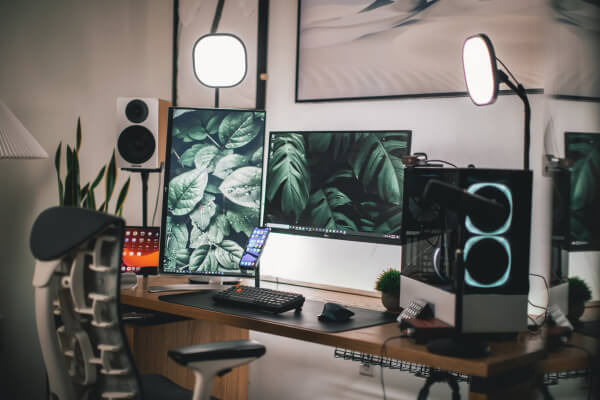
Starting a PC gaming setup can feel overwhelming, especially if you’ve never built a computer before. This guide walks beginners through every essential step—selecting components, choosing a monitor, picking peripherals, and fine‑tuning performance—so you can launch a reliable, budget‑friendly gaming rig with confidence. By the end, you’ll know how to create a PC gaming setup that balances cost, performance, and future upgrade potential.
Choosing the Right Components
Every PC gaming setup begins with the core hardware. While it’s tempting to chase the highest‑end specs, beginners should focus on a balanced configuration that offers good frame rates in modern titles without breaking the bank.
- CPU (Processor): Look for a recent generation Intel Core i5 or AMD Ryzen 5. These provide solid single‑core performance, which many games still rely on.
- GPU (Graphics Card): The graphics card determines how smoothly you can play at higher resolutions. For a starter build, the NVIDIA GeForce RTX 3060 or AMD Radeon RX 6600 XT are excellent choices.
- RAM (Memory): 16 GB of DDR4 RAM is the sweet spot for most modern games. Choose a kit with a speed of at least 3200 MHz.
- Storage: Combine a 500 GB NVMe SSD for the operating system and frequently played titles with a 1–2 TB HDD for bulk storage.
- Motherboard: Ensure the board matches your CPU socket (e.g., LGA 1700 for recent Intel chips or AM4 for Ryzen) and supports the necessary PCIe lanes.
- Power Supply Unit (PSU): A reliable 550‑650 W 80+ Bronze PSU provides headroom for upgrades and ensures system stability.
- Case: Pick a case with good airflow and enough space for your GPU. Mid‑tower designs are usually sufficient for beginners.
When selecting parts, verify compatibility using online tools such as PCPartPicker, which aggregates user‑submitted builds and highlights potential conflicts. For more technical detail on component compatibility, you can consult the Wikipedia article on computer hardware.
Selecting a Gaming Monitor
The monitor is the window to your games, and choosing the right one can dramatically improve your experience. For a beginner PC gaming setup, consider three key factors: resolution, refresh rate, and response time.
- Resolution: 1080p (Full HD) remains the most cost‑effective resolution for budget builds. If your GPU can handle it, 1440p (Quad HD) offers sharper images without a massive performance hit.
- Refresh Rate: A 144 Hz panel provides smoother motion, especially in fast‑paced shooters. Look for monitors that explicitly state “144 Hz” or higher.
- Response Time: Aim for 1–5 ms to reduce ghosting.
Brands like ASUS, Dell, and LG consistently rank high in professional reviews. For an independent analysis of monitor specifications, see the TechRadar guide to the best gaming monitors.
Essential Gaming Peripherals
Even the most powerful PC is limited by the quality of its input devices. The following peripherals are essential for a comfortable, effective gaming experience.
- Keyboard: Mechanical keyboards with tactile switches (e.g., Cherry MX Brown) provide better feedback and durability.
- Mouse: An ergonomic, DPI‑adjustable gaming mouse helps with precision aiming. Look for models with programmable buttons.
- Headset: A headset with clear stereo sound and a decent microphone enables communication in multiplayer games. Many models support virtual surround for immersion.
- Mouse Pad: A large, low‑friction mouse pad gives you room for big mouse movements, especially in first‑person shooters.
If you prefer a more immersive setup, consider a gaming chair that supports proper posture. The American Chiropractic Association offers guidelines on ergonomics for prolonged computer use, which you can read in their ergonomics resource page.
Putting It All Together
With components, monitor, and peripherals selected, the next step is assembly. While the process may look daunting, following a systematic approach reduces errors.
- Gather tools: a magnetic screwdriver set, anti‑static wrist strap, and zip ties for cable management.
- Install the CPU, RAM, and M.2 SSD onto the motherboard before placing it inside the case.
- Mount the motherboard to the case standoffs, connect the power supply cables, and attach the GPU to the primary PCIe slot.
- Connect case front‑panel connectors (USB, audio, power button) according to the motherboard manual.
- Route cables neatly using zip ties to improve airflow.
- Power on the system and enter the BIOS to verify that all components are recognized.
- Install an operating system (Windows 10/11 or a gaming‑focused Linux distro) and update drivers.
For a visual step‑by‑step walkthrough, the Linus Tech Tips YouTube channel offers comprehensive build guides that are easy for beginners to follow.
Optimizing Performance and Future‑Proofing
Even after your PC gaming setup is up and running, there are a few tweaks you can make to extract extra frames and ensure longevity.
- Driver Updates: Keep GPU drivers current; both NVIDIA and AMD release monthly optimizations for new titles.
- In‑Game Settings: Use preset graphics profiles (e.g., “Medium” or “High”) and enable V‑Sync only if you experience screen tearing.
- Thermal Management: Monitor temperatures with tools like HWMonitor and ensure case fans are oriented for optimal airflow (intake at front, exhaust at rear/top).
- Storage Maintenance: Enable Windows Storage Sense or regularly clean up unused files to keep the SSD performing efficiently.
- Upgrade Path: When budgeting allows, consider swapping the GPU for a higher‑tier model or adding more RAM to stay ahead of game requirements.
The United States Department of Energy publishes a guide on energy‑efficient computing, which can help you balance performance with power consumption: see the DOE report on computer energy efficiency.
Conclusion
Building a solid PC gaming setup for beginners is an achievable project that blends thoughtful component selection, ergonomic peripheral choices, and careful assembly. By following the steps outlined above—choosing compatible hardware, selecting a suitable monitor, equipping yourself with quality peripherals, and optimizing performance—you’ll create a gaming environment that delivers smooth gameplay and room for future upgrades.
Ready to start your own PC gaming setup? Explore the recommended components, watch a build tutorial, and take the first step toward a high‑performance gaming experience today.
Frequently Asked Questions
Q1. How do I choose the right GPU for a beginner PC gaming setup?
The GPU drives frame rates, so match it to your monitor’s resolution and refresh rate. For a budget‑friendly build, cards like the NVIDIA RTX 3060 or AMD RX 6600 XT provide solid 1080p‑1440p performance. Check benchmarks for the games you play and ensure the card fits your case and power supply.
Q2. Is a 144 Hz monitor necessary for casual gaming?
A 144 Hz panel delivers smoother motion, especially in fast shooters, but it isn’t mandatory for casual play. If your GPU can’t consistently hit those frame rates, a 60 Hz or 75 Hz monitor may be more cost‑effective.
Q3. Do I need a dedicated sound card for gaming?
Most modern motherboards provide high‑quality onboard audio that’s sufficient for gaming. A good headset or speaker system will usually give you a better experience than adding a separate sound card.
Q4. How often should I upgrade my PC gaming setup?
Upgrade cycles depend on your performance expectations and new game requirements. Many gamers refresh the GPU every 2‑3 years, while the CPU and motherboard can last 4‑5 years if they remain compatible.
Q5. What are the best practices for cable management?
Use zip ties or Velcro straps to bundle cables, route them behind the motherboard tray, and keep airflow paths clear. Good cable management improves cooling and makes future upgrades easier.