Upgrading a gaming PC can feel like navigating a minefield of chipsets, power supplies, and drivers. If you’re looking to upgrade a gaming PC without compatibility headaches, the key lies in a structured checklist before you order. A careful assessment of each component—CPU, motherboard, GPU, memory, storage, and cooling—helps you avoid costly missteps. It also ensures that each new part meshes seamlessly with the others in both hardware and software. In this guide, we break down the upgrade process into clear, actionable stages so your next build stays future‑proof and head‑ache free.
Step 1: Check Existing System Compatibility
The first step to upgrade a gaming PC is a thorough compatibility audit. Start by cross‑referencing your current motherboard’s CPU socket, chipset, and BIOS version with the specifications of the new processor you plan to buy. Check the CPU manufacturer’s FAQ pages—for example, AMD’s Ryzen 7000 series details are available on its Wikipedia page. Next, confirm that the motherboard’s BIOS can support the newer chip, or be ready to update it. A mismatched socket will prevent the CPU from seating, while an incompatible BIOS can cause the system to fail to POST.
You must also review the case’s physical constraints: the motherboard form factor, the maximum GPU length, and the GPU clearance after inserting a new power supply. For GPUs, reference the manufacturer’s specifications—NVIDIA’s RTX 4090 page lists a maximum length of 313 mm, which is a good benchmark when checking case dimensions. Finally, ensure your current power supply can handle the wattage required by the new pair of components. The general rule is to add 20–30 % headroom; for a high‑end GPU, you’ll often need a 850 W or 1000 W unit. A power supply that is too weak will trigger random restarts or shut‑offs that will defeat the upgrade effort.
Step 2: Upgrade CPU and Motherboard Together for Future‑Proofing
If your new processor demands a newer socket, you’ll almost always need a new motherboard, which in turn may need a new RAM type. For a modern Ryzen 7000 or Intel Alder Lake processor, this means moving from DDR4 to DDR5, a transition that newer motherboards provide. The advantage is twofold: a newer BIOS, improved power delivery, and a better match for your new CPU’s power envelope. While it might seem like a bigger leap, it ensures that your system remains upgradeable for several more years. By planning both components upfront you avoid the temptation to install an older CPU that requires significant tweaks or aftermarket cooling work.
A practical checklist for this phase includes: 1) verify socket compatibility between the new CPU and motherboard; 2) confirm the motherboard’s chipset supports the target features (e.g., multiple PCI‑Express lanes, USB 3.2, NVMe slots—refer to the PCI‑Express Wikipedia entry for lane structures); 3) inspect the BIOS revision and ensure you can upgrade it. Also, double‑check the VRM design; a robust voltage regulator will keep thermal spikes minimal and avoid sudden power deratings. A well‑chosen motherboard will keep your system stable under load, which is vital for the gaming experience.
Step 3: GPU & PSU: Keeping Power Headroom
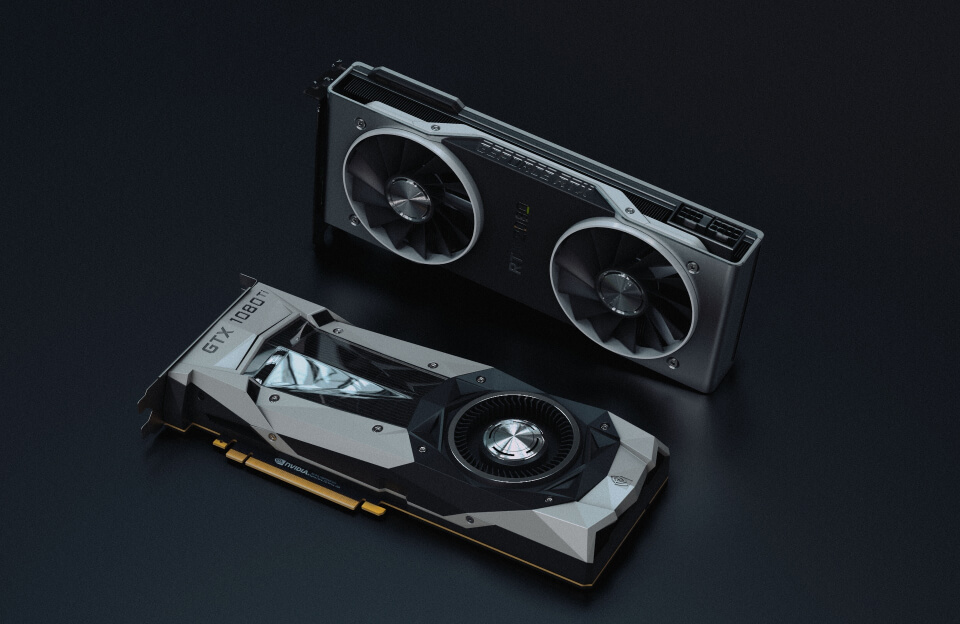
A graphics card is often the single most demanding component in a gaming rig, and its power draw can be a major compatibility killer. Modern GPUs like the RTX 4090 can consume up to 450 W, so you’ll need a PSU that delivers more than your total system draw to maintain headroom. Use an online wattage calculator—many from reputable tech sites—to estimate combined consumption. A typical recommendation for a 4090 setup with a high‑end CPU is at least 1000 W, preferably 1200 W for redundancy. Make sure the PSU has the necessary PCI‑Express power connectors: 1× 12‑pin, or a combination of 6‑pin and 8‑pin plugs, depending on your card’s design.
Choosing a PSU from a reputable brand—like Corsair, EVGA, or Seasonic—provides better efficiency ratings like 80 Plus Gold or Platinum, which reduce heat and improve longevity. Verify the rating on your PSU’s spec sheet; a higher wattage unit might still be under‑powered if it is an older model with lower efficiency. Also, confirm that the unit’s modular or semi‑modular cables can easily route to your case’s back panel layout. A clean cable management design reduces airflow obstructions, which is critical for cooling the high‑draw GPU and CPU simultaneously.
Step 4: Memory, Storage, and Cooling: Avoid Bottlenecks
When you’ve tackled the CPU, motherboard, GPU, and PSU, your focus should shift to RAM, SSDs, and thermal solutions. Select DDR5 kits appropriate for your updated motherboard; avoid using mismatched speeds or different capacities that could force the system into dual‑channel or single‑channel modes. For storage, NVMe PCI‑Express 4.0 or 5.0 drives deliver up to 7,000 MB/s read speeds, significantly cutting load times. Be sure the motherboard’s M.2 slots support the desired PCI‑Express lane configuration—consult the board manual for keying and lane allocation. A fast storage backend pairs well with a high‑end GPU and CPU to prevent I/O bottlenecks in modern games that stream assets at gigabit speeds.
Cooling is not “nice‑to‑have”; it’s the linchpin that allows your components to reach peak performance without thermal throttling. Intel’s Alder Lake and AMD’s Ryzen 7000 processors both bring higher power densities, so a high‑quality air cooler or a 240 mm AIO liquid cooler can keep temps in the 70‑80 °C range under load. For a GPU that can reach 80 °C or higher, consider a case with dedicated intake and exhaust fans and a filter‑able front panel to keep dust at bay. Thermal paste application should be meticulous; a high‑quality compound like Arctic MX‑Pro can improve heat transfer by up to 15 % over standard pastes.
Step 5: Firmware, Drivers, and OS Support: The Final Tweaks
Once hardware is confirmed compatible, the final layer of upgrades is drivers and firmware. Installing the latest BIOS update before the first boot ensures maximum compatibility with your new CPU and GPU. After boot, immediately update your GPU drivers from NVIDIA or AMD’s official download page—drivers include critical patches that fine‑tune performance for the newest game releases. For RAM, enable XMP or DOCP profiles in the BIOS to achieve rated speeds. On Windows, keep the operating system updated; Microsoft issues regular patches that improve power management and driver integration. Finally, consider a clean installation of your OS to avoid legacy driver conflicts that may arise from older hardware remnants.
If you’re comfortable with Linux, the process can differ slightly; kernel updates often provide new support for PCI devices, and driver packages are managed via the distribution’s package manager. Always verify that the kernel version supports your hardware—most mainstream distros ship a kernel that supports Ryzen 7000 and Alder Lake out of the box. For power‑saving settings, tools like TLP or Powertop can help fine‑tune CPU frequency scaling, especially on laptop‑like builds or small case rigs. Proper firmware and driver management keeps your system stable even after you’ve installed dozens of new components.
By progressing through these systematic steps, you’ll upgrade a gaming PC that’s both powerful and pristine, free from the dreaded compatibility hiccups that can derail an otherwise seamless build. Keep an up‑to‑date component checklist, use reliable power supplies, and don’t overlook the small but essential tasks of BIOS updates and thermal solutions. If you’re ready to take the next leap in your gaming experience, grab a copy of our free upgrade checklist PDF and start assembling your future‑proof rig today—upgrade smart, play effortlessly!